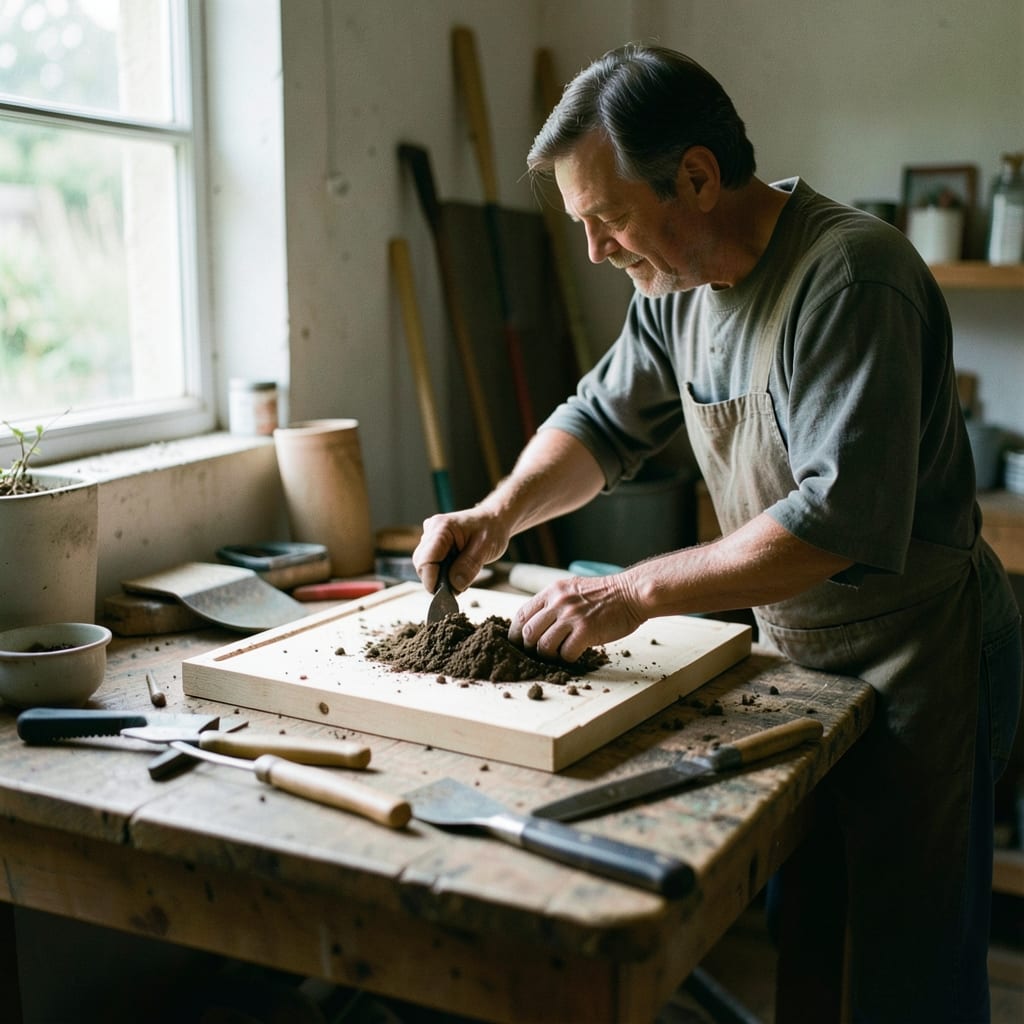
Why I started Harvest Guide
I was eighteen and had just planted my first tomato seeds in a pot on the windowsill. I followed every rule—warmth, light, patience—but when the first green shoots appeared, they wilted overnight. I’d overwatered them, my grandfather said, shaking his head. That failure stuck with me.
A year later, I started keeping a notebook of what worked and what didn’t, scribbling notes in the margins of seed packets.
The patterns started to emerge: why basil bolts in the heat, how to save a struggling pepper plant with a pinch of Epsom salt, the exact moment to harvest zucchini before they turn to rubber.
This site is for anyone who’s ever stared at a sad-looking plant and wondered what went wrong—or who’s just starting and wants to avoid the mistakes.
Here, you’ll find the tricks that saved my gardens (and the ones that didn’t), tested tips for soil, light, and seasons, and the occasional confession about what I killed this week.
No fluff, no guesswork—just the kind of advice I wish I’d had when I turned that first tomato plant into compost.
Meet the founder
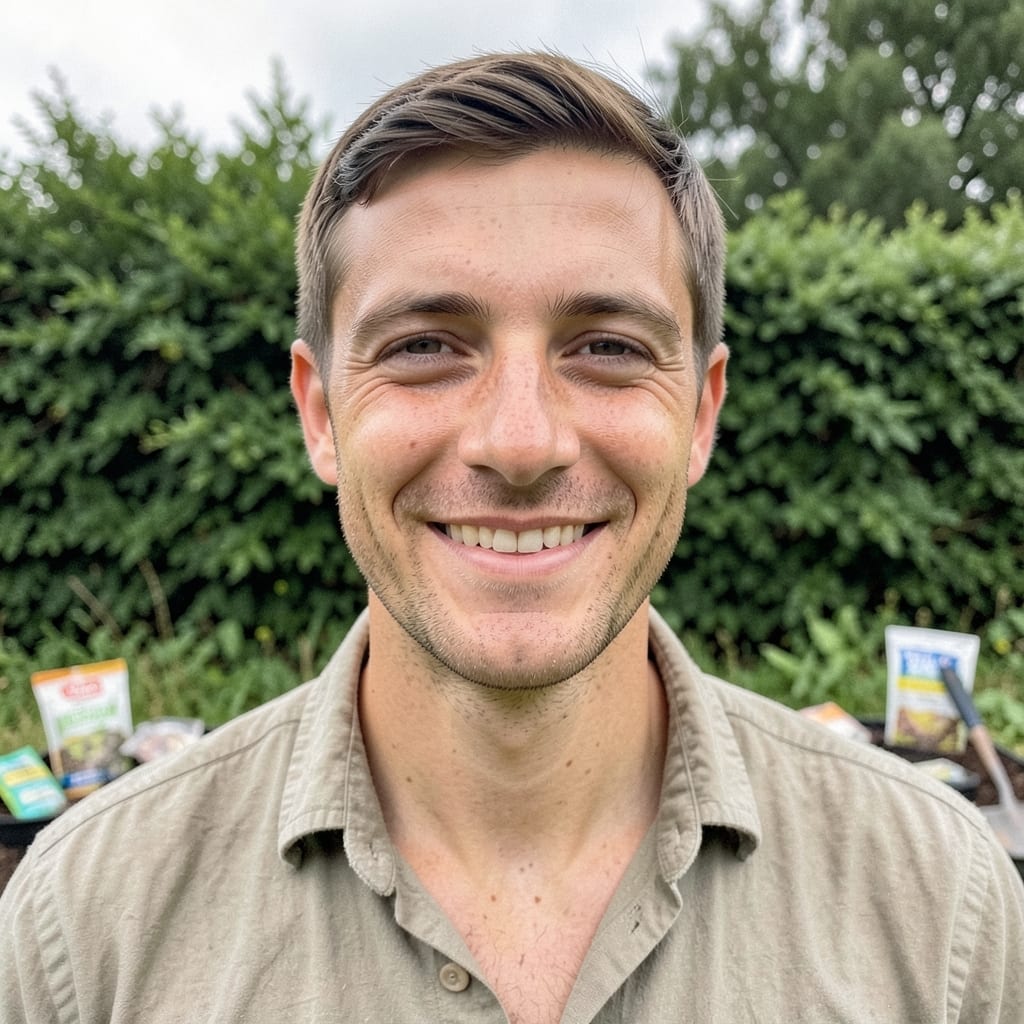
My grandfather’s garden was where I learned the rhythm of growing things.
He’d kneel in the dirt at dawn, fingers brushing the soil like he was reading Braille, and say things like *‘Too much nitrogen now, and your basil will leaf out but never flower’*—lessons that stuck because they came with the weight of decades of sunburnt hands and calloused thumbs.
The first time I tried to replicate his trellis for cucumbers, I used chicken wire instead of twine. It rusted by midsummer, and the vines strangled themselves trying to climb.
He just laughed and handed me a spool, saying, *‘Next time, you’ll tie the knots before you plant.’* That’s the kind of precision this site is built on.
I still have the trowel he gave me when I turned sixteen—a cheap aluminum thing with the handle cracked where I dropped it on a rock.
The blade’s nicked from years of digging up stubborn weeds, and the wooden handle is held together with duct tape, but I refuse to replace it. It’s the only tool that’s seen every failure and every victory in my gardens. If it can’t hack it, neither can the advice here.
The year I lost my entire pepper crop to blight was the turning point. I’d followed every ‘expert’ tip—pruning for airflow, rotating crops, even spraying copper fungicide—but the moment the first leaf curled, it was over.
That’s when I started testing everything myself: how early to harvest for sweetness, which companion plants actually repel pests, and why my compost pile smells like rot one week and perfume the next. The failures taught me more than the successes ever did.
I have a habit of talking to my plants.
Not the dramatic, *‘Grow, my darling’* kind—more like a running commentary on their progress. *‘Look at you, you stubborn thing,’* I’ll mutter when a seedling finally breaks through the soil. *‘Took you long enough.’* My neighbor thinks I’m nuts, but I swear basil grows faster when I’m chattering at it.
Call it superstition; I call it accountability.
Meet the mascot

The mascot started as a doodle on a napkin during a rain delay at a county fair. I was sketching a tomato plant mid-blight, all jagged leaves and sad fruit, when my cousin grabbed the pen and turned it into a grumpy, one-eyed gnome with a watering can.
The first version had too many details—the gnome was wearing overalls, the can had a rusted spout, and the tomato vine wrapped around his leg like a snake. It looked great on paper but turned into a blurry mess when I tried to scale it down.
The second draft simplified everything: the gnome became a round, stubby figure with a single leaf for a hat, the watering can lost its handle, and the vine reduced to three wilted tendrils.
I drew it on graph paper, squinting to make sure the lines would still read at the size of a browser tab. The tomato itself became a single, slightly lopsided fruit—because nothing in gardening is ever perfectly round.
We named him *Dirt*. Not because he’s made of soil (though he does have a habit of getting muddy), but because he’s the kind of gardener who shows up after the work is done, when the dirt’s already been turned and the mistakes have been made.
His one eye is always on the horizon, waiting for the next problem to solve. He’s not here to sell you anything—just to nod at the things you already know and wink at the ones you’re about to learn.
What I promise you
This site is built on three things: honesty about what doesn’t work, clarity about what does, and a refusal to treat gardening like a religion. You won’t find vague advice like *‘give it plenty of sun’* without telling you what *plenty* looks like.
If a method is untested, I’ll say so. If I’ve killed something trying it, you’ll know why—and how to avoid the same fate.
What you can hold me to
- Every ‘tip’ is tied to a specific plant, season, or soil type—no generic gardening rules.
- If I say *‘do this,’* I’ve either done it myself or watched it fail spectacularly.
- The ‘disaster logs’ (like the time my compost pile caught fire) are just as useful as the successes.
- No affiliate links, no sponsored posts—just the tools I’ve actually used in my own garden.
How I create a guide
A guide starts with a question—usually one I’ve been asked or one that stumped me.
Last year, it was *‘Why does my soil smell like rot even when I’m not overwatering?’* The answer wasn’t just *‘add more compost’* or *‘let it dry out’*; it was a chain of small things: the pH balance, the ratio of green to brown material, and the fact that my neighbor’s chickens had been raiding my pile at night.
I’d have to dig into the science, then test it in my own backyard before I’d trust it enough to write about.
The first step: watching, not guessing
The first thing I do is watch. Not the plant—*the soil*. I press my thumb into it: if it crumbles, it’s dry; if it sticks, it’s too wet.
I check the color of the leaves before I touch them (yellow at the edges means something’s wrong with the roots; brown spots mean fungus).
For seedlings, I count the days until the first true leaves appear—if it’s taking longer than the packet says, I’m either not giving them enough light or the soil’s too cold. And if the air smells like damp earth when I open the greenhouse door?
That’s a red flag for mold before I even see it.
Timing is everything. Basil seeds need light to germinate, so I scatter them on top of the soil and mist them twice a day—no burying, no waiting for darkness. Peppers, on the other hand, rot if you water them from above after transplanting.
I use a drip line buried an inch below the surface and turn it on for exactly twenty minutes, no more. The second the soil looks like a damp sponge but not a swamp, I stop. Overwatering is the silent killer of gardens, and I’ve learned to respect it.
The second step: fixing what’s broken
If the leaves are curling, I check for aphids first—then I strip off the worst ones by hand and spray the undersides with soapy water.
If the stems are soft and black, it’s root rot, and I’ve got two minutes to pull the plant, trim the roots, and replant it in fresh, dry soil before the whole pot turns to mush.
For blight, I isolate the infected plant immediately, then douse the rest of the tomatoes with a baking soda spray (1 teaspoon per liter of water, a drop of dish soap as a surfactant).
No shortcuts: if the problem’s in the soil, I’ll solarize it—black plastic, a week of sun, and a hose to keep it steaming.
The fix isn’t always dramatic. Sometimes it’s as simple as moving a plant to a sunnier spot or adjusting the watering schedule. But I never guess. If the zucchini flowers drop off before fruiting, I check the temperature—too hot, and the plants go dormant. Too cold, and they won’t pollinate.
I keep a log of the highs and lows, and if the pattern repeats, I adjust the trellis or add shade cloth. Gardening is part science, part detective work, and I treat both with the same skepticism.
How a page gets onto this site
Every guide starts as a scribbled note in my garden journal—usually mid-panic, like *‘10:47 AM—peppers wilting, soil temp 82°F, no wind, what the hell?’* I’ll rewrite it the same night, adding the context: *‘Shade cloth installed at 11:15 AM, wilting stopped by noon.’* The second draft is where I cut the drama and keep the data.
If a method worked once but failed the second time, I’ll say so. If I’m not sure, I’ll test it again—or I’ll leave it out.
Pages get rewritten months later when I realize I missed something. Last year’s guide on saving tomato plants from blight had a gaping hole: I’d forgotten to mention that copper fungicide loses potency after six months.
The update went live with a note at the bottom: *‘Correction: replace spray every 60 days or risk ineffective results.’* No excuses, no backpedaling. If I’m wrong, you’ll know before you water your plants based on it.
Write to me
I love hearing about the plants you’ve saved (or the ones that got away). Send me photos of your weirdest garden successes—the time your potatoes grew into a bush, or the basil that flowered before you could harvest it.
Tell me what advice here worked for you, or what you’d change. And if you’ve got a gardening myth you’re tired of hearing, let’s debunk it together.
You’ll find the contact page in the menu—no forms, no CAPTCHAs, just a place to say hi. And if you’re the kind of gardener who sends handwritten letters (I still get a few), I’ll frame the best ones and hang them up next to my grandfather’s old trowel.
The guides are grouped by category: Advice, Aphids, Blooming, Companion Plants, Container Gardens and Diseases.