
How To
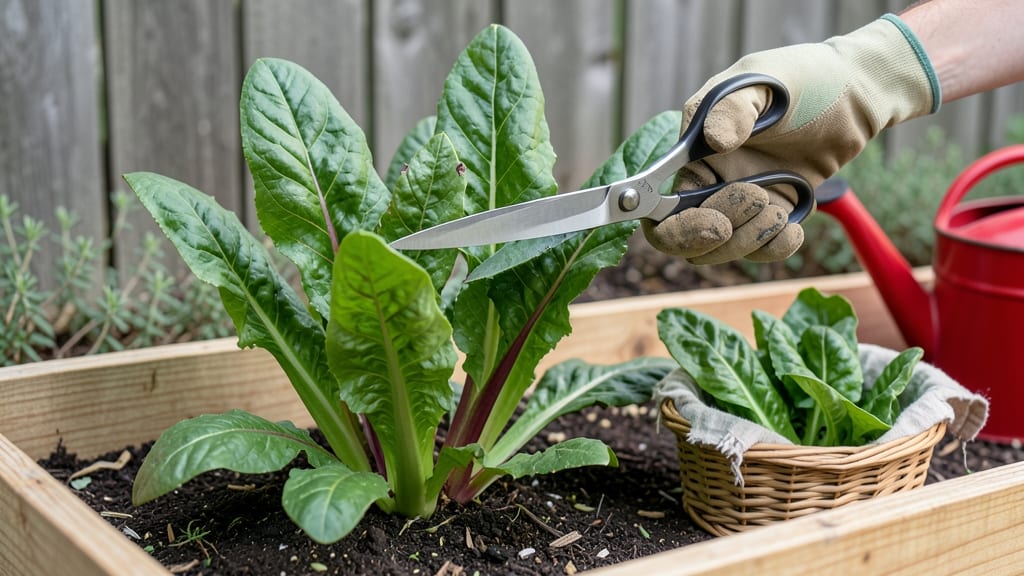
To harvest romaine lettuce so it keeps growing, you’ll need to master the cut-and-come-again method—a simple technique that turns one plant into a continuous harvest.
Picture this: you’re about to pull out a handful of crisp 🥬 romaine from your garden, only to realize you’ve accidentally stunted the plant’s regrowth. The right timing and cutting style make all the difference, ensuring your lettuce keeps producing fresh leaves for weeks.
Romaine thrives when you harvest outer leaves first, leaving the inner growth intact. This method works best when your plants are mature—around 4-6 weeks after sowing—and the outer leaves reach 6+ inches in length.
Avoid cutting into the center, or you’ll risk bolting (that bitter, flowery phase we all want to avoid).
In this guide, I’ll walk you through the exact steps to harvest without harming your plant, plus post-harvest care tips to keep your romaine producing like a pro. No more wasted leaves—just a steady supply of homegrown goodness.

The cut-and-come-again method for romaine lettuce: step-by-step guide
Harvesting romaine lettuce the right way isn’t just about getting fresh greens—it’s about encouraging regrowth so your plant keeps producing for weeks. The cut-and-come-again method is your secret weapon for a continuous harvest without sacrificing the plant’s health.
Unlike harvesting the whole head, this technique focuses on selective cutting to stimulate new growth.
Timing is everything with romaine. You’ll want to harvest when the outer leaves reach 6-8 inches and are crisp but not bitter. If you wait too long, the plant may bolt (send up a flower stalk), and all your hard work will go to waste.
The key is to cut strategically—never more than one-third of the plant at once, and always leave the inner leaves intact.
How to Harvest Romaine Lettuce for Regrowth
-
Step 1: Choose the Right Time
Harvest when outer leaves are 6-8 inches long and vibrant green. Avoid harvesting if leaves are yellowing or bolting.
-
Step 2: Use Sharp Shears or Scissors
Grab a pair of clean, sharp shears or scissors. Cut the outer leaves just above the base of the plant, leaving 2-3 inner leaves untouched.
-
Step 3: Never Cut More Than One-Third
Remove only 30% of the plant at a time. Cutting too much stresses the plant and can stunt regrowth or trigger bolting.
-
Step 4: Cut at the Right Angle
Make a clean, diagonal cut just above the lowest set of leaves. This prevents water from pooling and reduces disease risk.
-
Step 5: Harvest in the Morning
Always harvest in the early morning when leaves are cool and crisp. This ensures the best flavor and texture for your greens.
-
Step 6: Space Harvests 1-2 Weeks Apart
Allow the plant 10-14 days to recover between harvests. This gives it time to regenerate new leaves for the next cut.
After your first harvest, you’ll notice new growth emerging from the center of the plant within a week or two. This is your romaine’s way of telling you it’s ready for another round!
The cut-and-come-again method works best with loose-leaf varieties like 'Little Gem' or 'Parris Island Cos', but even romaine heads can regrow if you leave the core intact.
One common mistake is cutting too close to the center or removing too many leaves at once. This can leave the plant vulnerable to pests and slow down regrowth. Always prioritize leaving the heart of the plant untouched—this is where new leaves will sprout from.
Think of it like pruning a bush: you’re shaping the plant to encourage fuller growth.
If your romaine starts to bolt (send up a flower stalk), it’s a sign you’ve stressed the plant too much. Bolting usually happens when the plant is under stress from heat, drought, or over-harvesting.
To prevent this, keep the soil moist, provide partial shade during hot afternoons, and avoid harvesting more than 30% of the plant at a time.
For the best results, pair this harvesting method with regular fertilization and consistent watering. A balanced fertilizer (like 5-10-10) applied every 4-6 weeks will give your romaine the nutrients it needs to keep producing. Water deeply in the morning to encourage strong root growth and prevent wilting.
With the cut-and-come-again method, you can enjoy a never-ending supply of romaine from just one plant. Imagine plucking fresh leaves for your salads all season long—no need to replant! Just follow these steps, and your romaine will thrive and regrow like a pro.
How to care for romaine lettuce after harvesting to maximize regrowth
After harvesting your romaine lettuce using the cut-and-come-again method, your plant needs special care to bounce back and keep producing. The key is maintaining balanced nutrients, consistent moisture, and ideal growing conditions. Without proper post-harvest care, your lettuce may bolt or produce bitter leaves instead of regrowing fresh heads.
I’ve found that soil health is the foundation for regrowth. Romaine lettuce thrives in nutrient-rich soil with a pH between 6.0 and 7.0. After harvesting, the plant has depleted some of its stored nutrients, so replenishing them is critical.
Organic compost or a balanced fertilizer (5-10-10) applied lightly can give your lettuce the boost it needs to recover quickly.
Always cut just above the soil line (1/4 inch) to avoid damaging the growth center. Use clean, sharp scissors to prevent tearing leaves. After cutting, water immediately to reduce stress and encourage new shoots within 7-10 days.
Watering plays a critical role in post-harvest recovery. Romaine lettuce needs consistent moisture but hates soggy roots. Water deeply in the morning to allow excess moisture to evaporate, reducing the risk of fungal diseases.
During hot weather, I increase frequency to daily watering while keeping the soil evenly moist but not waterlogged.
Sunlight requirements shift slightly after harvesting. While romaine prefers 4-6 hours of sunlight daily, too much intense afternoon sun can cause bolting. If your lettuce is in a hot climate, provide light shade during peak hours (12 PM - 3 PM) using shade cloth.
This adjustment helps maintain tender, crisp leaves instead of bitter, tough ones.
Pest control is another often-overlooked aspect of post-harvest care. Slugs, aphids, and flea beetles love stressed lettuce plants. I recommend using neem oil spray or introducing beneficial insects like ladybugs to keep pests at bay. Regularly inspect leaves for holes or discoloration—early intervention prevents long-term damage to your regrowing crop.
Finally, avoid fertilizing heavily right after harvesting. A light application of compost tea or diluted fish emulsion (1 tbsp per gallon) every 2-3 weeks provides gentle nutrients without overwhelming the plant.
This balanced approach ensures your romaine lettuce recovers quickly and continues producing fresh, crisp heads for weeks or even months.