
Picking
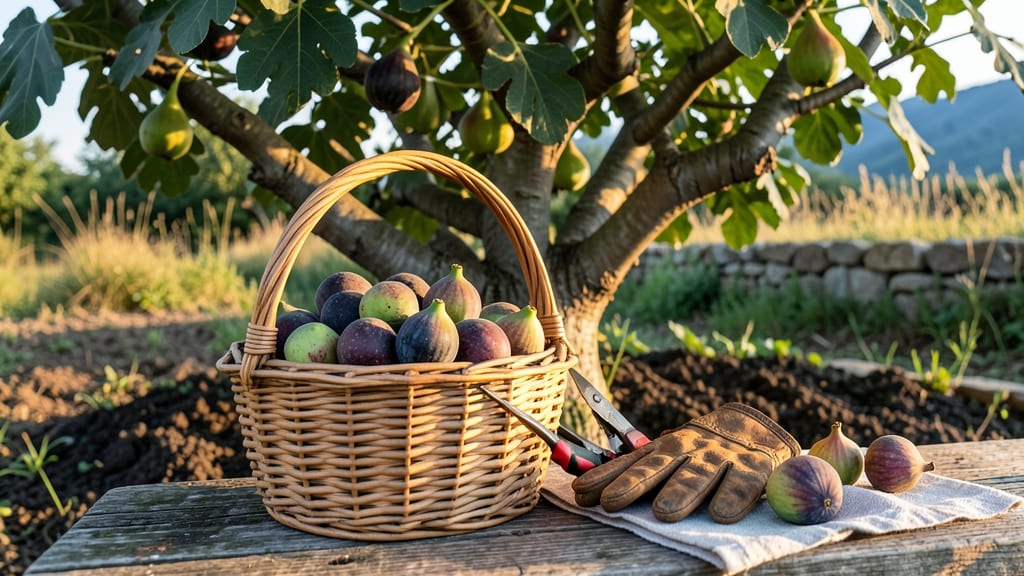
The time to harvest figs is when their skin darkens and seeds jiggle slightly 🍈 — a window that turns bland fruit into sweet, juicy perfection.
Here’s the catch: most gardeners miss it. You might pick too early, leaving figs hard and tart, or too late, ending up with mealy, overripe pulp. The difference between these two fates? Knowing the exact cues—from color shifts to the "give" of the fruit—and acting fast.
In this guide, I’ll walk you through the visual and tactile signs of a ripe fig, including how variety (like Brown Turkey vs. Mission) changes the game.
You’ll also learn how to adjust for your climate zone, whether you’re in Zone 6a or warmer regions, and the best way to store or ripen figs if you’re just a day too late.
By the end, you’ll never second-guess whether a fig is ready—just grab, taste, and enjoy that burst of sweetness you’ve been waiting for all season.

How to identify the perfect fig harvest time by color and texture
Figs ripen in stages, and knowing the exact moment to pick makes all the difference between a juicy, sweet treat and a mealy, overripe disappointment. The key lies in three simple cues: skin color, fruit firmness, and seed movement.
Each fig variety has its own ripening pattern, so let’s break down what to look for in your garden. 🌱
Start by observing the skin color of your figs. Most varieties transition from bright green to a deeper hue—think deep purple, dark brown, or even yellowish tones, depending on the type.
For example, Mission figs turn a rich purple-brown, while Brown Turkey figs develop a rusty brown blush. If your figs still look pale or greenish, they’re not ready yet. ✨
Next, perform the seed jiggle test, a foolproof way to check ripeness. Gently shake the fig—if the seeds inside move slightly (like tiny marbles shifting), it’s time to harvest. This indicates the fruit’s sugars have fully developed.
If the seeds feel immovable, the fig needs more time on the tree. This test works best when combined with the other cues. 🤏
Now, let’s talk fruit firmness. A perfectly ripe fig should yield slightly to gentle pressure—imagine pressing a ripe peach. If it feels rock-hard, it’s underripe.
If it’s mushy or leaves an indent when touched, it’s overripe. Mission figs tend to soften faster than Chicago Hardy varieties, so check them more frequently. 🍈
Don’t overlook the base of the fig, where it meets the stem. When ripe, this area will dry out and separate slightly from the branch. If you gently tug on the fig and it detaches easily, it’s ready.
This is especially true for Mission figs, which often drop on their own when fully ripe. 🍇
Timing is everything, so check your figs every 2-3 days during peak harvest season (typically late summer to early fall). Morning is the best time to pick, as the fruit is cooler and firmer.
Avoid harvesting after a hot day, as the figs may soften too quickly and become overripe by evening. ☀️
If you’re unsure whether a fig is ready, err on the side of underripe. Figs continue to ripen slightly after picking, especially if left at room temperature for a day or two.
Place them in a paper bag with a banana or apple to speed up the process using ethylene gas. This trick works wonders for
5 Common mistakes that ruin your fig harvest timing
Harvesting figs at the wrong time can turn your sweet expectations into a disappointing, mealy mess. I’ve watched gardeners miss the perfect window by focusing on the wrong cues—like color alone or assuming all figs ripen the same way.
The truth? Timing varies by variety and even climate conditions, so knowing these 5 common mistakes will save your harvest.
First, many gardeners pick figs too early because they’re impatient. Hard, green figs taste bitter and tart, no matter how long you let them sit on the counter. Others wait too long, ending up with overripe, mushy figs that fall apart at the touch.
Both extremes mean wasted fruit—and frustration. Let’s fix that with clear, actionable advice.
⚠️ Fig Harvest Warning
Never rely on color alone—some varieties stay green until fully ripe! Instead, combine 3 key checks:
- Skin color matches variety (e.g., purple-black for Black Mission, brown for Brown Turkey)
- Gentle squeeze yields slightly (like a ripe peach)
- Base dries and separates easily from the stem
🌱 Pro Tip: If birds are pecking at your figs, they’re likely ripe—don’t wait!
Mistake #1: Ignoring variety-specific ripeness cues. Not all figs turn the same color when ripe. Brown Turkey figs stay green until fully mature, while Mission figs develop a deep purple hue.
I once harvested a batch of Brown Turkeys too early because they looked green—only to discover they needed 2 more weeks to sweeten properly.
Mistake #2: Confusing bird damage for ripeness. Birds target ripe figs, so if you see peck marks, your fruit is likely ready. Don’t wait for perfect condition—pick them immediately to avoid losing your harvest to feathered thieves.
I’ve lost entire clusters this way, and trust me, the squeak of a bird flying off with your fig is the worst harvest alarm.
Mistake #3: Harvesting based on calendar dates instead of visual cues. Figs don’t ripen on a schedule—they respond to temperature, sunlight, and variety. In hot climates, figs may ripen faster, while cooler regions can delay ripening by weeks.
Always check for skin color changes and seed jiggle before picking.
Mistake #4: Waiting until figs fall off the tree. By this point, they’re often overripe and prone to rotting. The ideal time is when the fig separates easily from the stem with a gentle tug.
If it doesn’t come off, give it a few more days. Patience here means the difference between fresh, sweet figs and mushy disappointments.
Mistake #5: Storing unripe figs at room temperature. Unripe figs won’t ripen properly on the counter—they need ethylene exposure (like an apple in a paper bag) or a cool, dark place to finish ripening.
I’ve tried leaving green figs out for days, only to end up with hard, tasteless fruit. Save yourself the hassle and ripen them correctly.