
How To
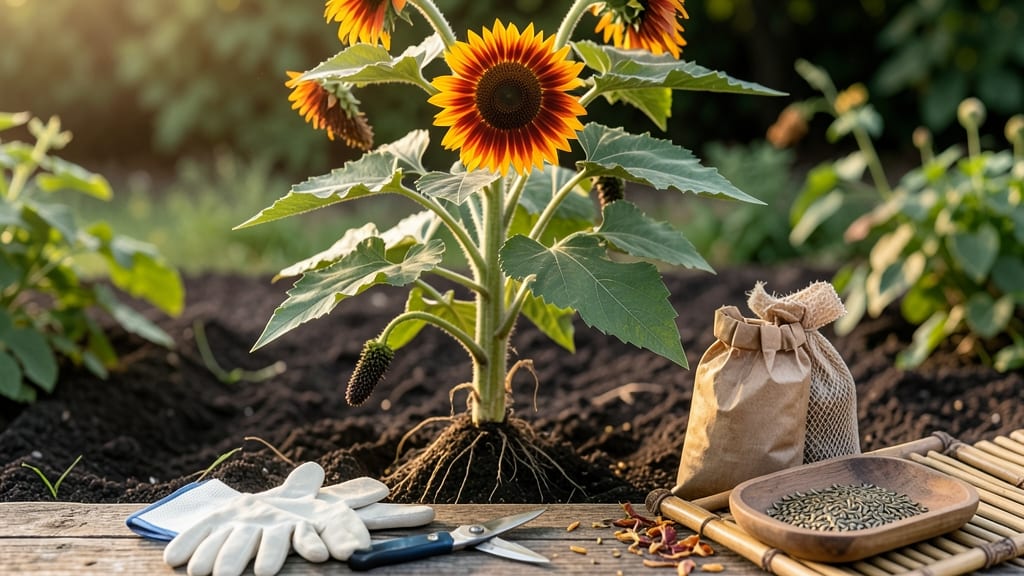
To harvest Mexican sunflower seeds 🌻 at their peak, you’ll need to watch for the right moment—when the seed heads turn brown and crack open naturally.
Picture this: your tall, golden Mexican sunflowers have finished blooming, and now the seed heads are drying out. If you harvest too soon, the seeds won’t be viable; too late, and they’ll scatter before you can collect them.
The key is catching them just as they’re ready—when the pods turn a deep brown and make a rattling sound when shaken.
This guide walks you through the exact steps to identify mature seed pods, gently remove the seeds, and store them properly for replanting next season. Whether you’re saving seeds for gardening or just want to enjoy the process, timing is everything.
By the end, you’ll know how to avoid common mistakes like premature harvesting or losing seeds to birds and wind. Let’s get started—your future sunflowers will thank you!

When and how to identify Mexican sunflower seed pods ready for harvest
Mexican sunflowers (Tithonia rotundifolia) produce stunning golden blooms that eventually transform into seed pods packed with viable seeds. The key to a successful harvest lies in recognizing the exact moment when these pods reach maturity.
Miss this window, and you risk collecting immature seeds that won’t germinate or losing them to wind or wildlife. Let’s break down the visual cues and physical signs that signal your Mexican sunflower seeds are ready for harvest.
First, focus on the color transformation of the seed heads. When the flower petals fade and drop, the seed head begins its shift from green to brown. This color change is your first clue that the seeds are maturing.
However, not all brown seed heads are ready—some may still be moist or underdeveloped. To confirm readiness, you’ll need to examine the texture and sound of the seed pod, which we’ll explore next.
| Stage | Seed Head Color | Texture | Sound When Shaken | Action |
|---|---|---|---|---|
| Early Maturity | Greenish-brown | Firm, slightly moist | Muffled or no sound | Wait 1-2 weeks |
| Optimal Harvest | Fully brown and dry | Papery, brittle | Loud rattling | Harvest immediately |
| Overripe | Grayish-brown | Crumbly, splitting open | Seeds scatter easily | Collect remaining seeds |
A loud rattling sound is one of the most reliable indicators that your Mexican sunflower seeds are ready. When you gently shake the seed head, the mature seeds inside should produce a distinctive rattling noise.
This sound confirms that the seeds are fully developed and dry enough for harvest. If you don’t hear this sound, the seeds likely need more time to mature. Pro tip: Shake the seed head over a paper bag to catch any seeds that might prematurely release.
The back of the seed head will also begin to split open naturally as it dries. This is another clear sign that the seeds are ready for collection.
If you notice the seed head cracking along its seams, act quickly to harvest the seeds before they scatter across your garden. Pay close attention to the base of the seed head, where the splitting often starts.
This is your cue to harvest within 24 hours to avoid losing seeds to wind or birds.
One common mistake gardeners make is harvesting too early because the seed heads look dry. However, green or partially brown seed heads often contain immature seeds that won’t germinate. To test for readiness, squeeze the seed head gently. If it feels soft or pliable, it’s not ready.
Only harvest when the seed head is completely dry and papery, with no give when pressed. This ensures your seeds have reached full maturity and are ready for storage.
Timing your harvest is also crucial to avoid overripe seed heads, which can become crumbly and prone to splitting. Overripe seed heads may release seeds before you’re ready to collect them, leading to wasted seeds.
If you notice the seed head turning grayish-brown or falling apart, it’s past its prime. In this case, collect any remaining seeds and focus on saving them for immediate planting rather than long-term storage, as their viability may be compromised.
Another visual cue to watch for is the yellowing and dying back of the plant’s leaves. As the Mexican sunflower prepares for dormancy, its foliage will wilt and turn yellow, signaling that the plant is redirecting its energy to seed production.
This is a natural process, but it also means the seed heads are nearing the end of their cycle. If you see more than 50% of the leaves yellowing, prioritize harvesting the seed heads to ensure you don’t miss your window.
To avoid common harvesting mistakes, always work on a dry, sunny day. Humidity can cause seeds to mold or spoil if harvested too late in the day. Early morning is ideal because the dew has evaporated, and the seed heads are at their driest.
Use a clean pair of pruning shears or sharp scissors to cut the seed head from the stem, leaving a 1-inch stub to prevent disease. Place the harvested seed heads in a well-ventilated area to dry completely before processing.
Finally, remember that Mexican sunflowers are annual plants, meaning they complete their life cycle in one growing season. Once the seed heads are harvested, the plant will die back naturally. This makes timing even more critical, as you only get one chance
Step-by-step guide to harvesting Mexican sunflower seeds without losing them
Once your Mexican sunflower plants have finished blooming, the real work begins—harvesting those nutrient-rich seeds before they scatter. The key is patience and timing: wait until the seed heads turn fully brown and begin cracking open naturally.
If you rush, you’ll end up with immature seeds that won’t germinate, while waiting too long risks losing them to wind or wildlife.
Gather your tools—a pair of clean pruning shears, a large paper bag or tray, and a dry, well-ventilated space for drying. Work on a dry day when humidity is low to prevent mold.
Mexican sunflower seeds are easy to harvest once you know the signs, but the process requires gentle handling to avoid damaging the seeds or losing them prematurely.
Pro tip: If you’re short on time, you can skip drying the heads and shake seeds directly into a bag from the plant.
However, this method risks higher moisture content in the seeds, so dry them for 24-48 hours afterward to ensure viability. Viable seeds should feel firm and plump, not shriveled or hollow.
With these steps, you’ll maximize your seed yield and have fresh Mexican sunflower plants ready for next season’s garden. Just remember: patience is key—rushing the process leads to wasted seeds and missed opportunities for beautiful, pollinator-friendly blooms year after year. 🌻