
How To
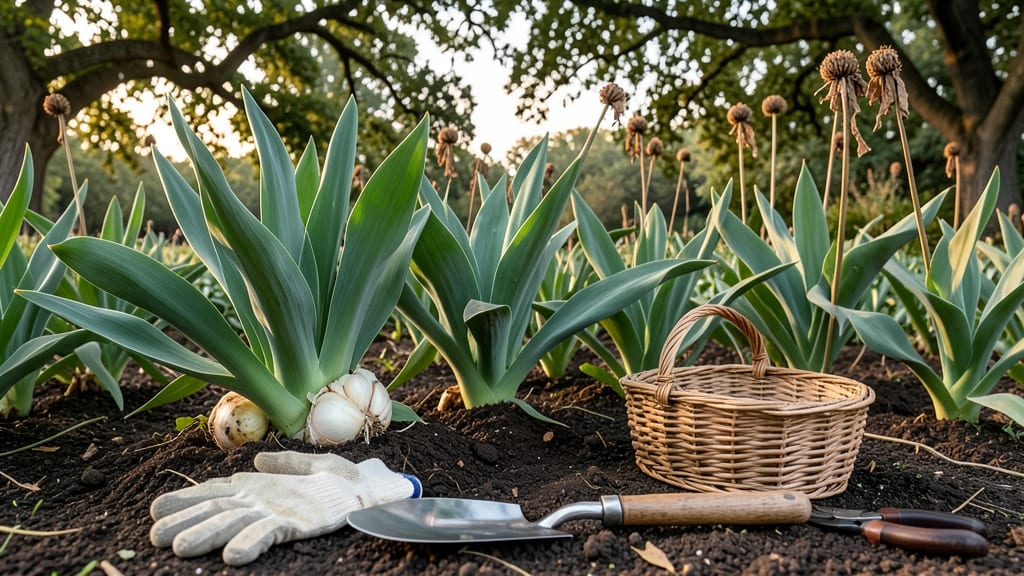
Harvesting elephant garlic 🧄 at the right time means the difference between sweet, flavorful cloves and bitter disappointment.
Picture this: you’ve waited nearly a year for your elephant garlic to mature, only to dig up bulbs that are still firm and pungent—or worse, split apart before they’re ready.
The key is knowing when the leaves start browning, the bulbs feel fully formed, and the skin turns dry and papery.
In Zone 6a, that usually lands in mid-to-late July, but regional weather can shift the window by weeks. Below, I’ll walk you through the exact visual cues to watch for, how to test for doneness, and what happens if you harvest too early—or too late.
You’ll also learn how to cure and store your harvest for maximum flavor, plus how timing affects next year’s crop. No more guessing—just perfect, restaurant-quality garlic every time.

How to identify the perfect harvest time for elephant garlic
Harvesting elephant garlic at the right time ensures maximum flavor and clean clove separation. Unlike regular garlic, elephant garlic takes longer to mature—often 9-12 months—so patience is key. Miss the window, and you’ll end up with small, pungent bulbs instead of the mild, sweet cloves you crave.
The secret lies in watching for three key visual cues that signal it’s time to dig.
First, focus on the leaves. When 30-50% of the lower leaves turn yellow or brown, your elephant garlic is nearing harvest. This browning happens naturally as the plant redirects energy to the bulb development.
Ignore this sign, and the leaves may fully die back, leaving you with overmature bulbs that split apart during storage. In my garden, I mark plants with toothpicks when I spot the first yellowing leaves to track progress.
The second clue is the stem and bulb combination. As the bulbs swell, the stems will start to flop over or lean dramatically. This isn’t a sign of disease—it’s nature’s way of telling you the nutrients are concentrated underground.
Gently wiggle the plant to check bulb firmness; if it feels heavy and rounded (like a soft baseball), it’s ready. Soft or uneven bulbs mean you’ve waited too long or harvested too early.
Finally, examine the skin and papery layers. Mature elephant garlic develops a dry, papery outer skin that peels away easily. If you see tight, moist skin, the bulb isn’t fully developed. In hot climates, this drying process happens faster—sometimes by late June or early July.
In cooler regions, like USDA Zone 5, you might not see these signs until August or September.
Regional climate plays a huge role in timing. In Southern states, where summers are long and hot, elephant garlic may be ready by late June or early July.
But in Northern gardens, like Minnesota or Maine, you’ll likely need to wait until August or early September to avoid frost damage. I’ve found that planting in early fall (after the last frost) gives bulbs enough time to mature before winter sets in.
One mistake I’ve seen gardeners make is harvesting based on calendar dates rather than plant signals. For example, assuming July is always harvest time can lead to underripe bulbs in cooler areas or overripe, split cloves in hotter zones.
Instead, combine the three visual cues with your local frost dates. Aim to harvest 2-3 weeks before the first expected frost to give bulbs time to cure properly.
Pro tip: If you’re unsure whether your elephant garlic is ready, do a test dig. Select one plant, gently lift it, and check the bulb. If it’s small, soft, or still has green leaves, wait another week.
If it’s firm, rounded, and cloves separate easily, it’s time to harvest the rest. This method saved my first crop from premature digging—now I never rush it again.
Finally, don’t forget that harvest timing affects storage life. Bulbs harvested at peak maturity will store for 4-6 months in a cool, dry place, while overripe or underripe bulbs may spoil faster or develop off flavors. For the best results, harvest in the morning after dew has
Step-by-step guide to harvesting elephant garlic for maximum flavor
Harvesting your elephant garlic at the right time ensures those massive, flavorful cloves separate cleanly and pack the sweetest, richest taste. If you wait too long, the bulbs may split or spoil, while harvesting too early leaves you with underdeveloped, bland cloves.
The key is watching for visual and tactile cues that signal peak ripeness—like yellowing leaves and firm bulbs.
Before you dig, gather your tools: a sharp garden fork, gloves, a basket, and a drying rack or mesh bag. Work on a dry, sunny day to prevent moisture-related rot.
I like to harvest in the morning when the soil is slightly damp but not soggy—this makes digging easier without disturbing the bulbs too much.
🌱 Step-by-Step Harvesting Process
- 1 Check for readiness: Gently pull back the soil near the base of the plant. If the bulbs feel firm and the lower leaves are yellowing, it’s time to harvest. If the leaves are still green, wait 1-2 weeks.
- 2 Dig carefully: Use your garden fork to loosen the soil around the bulb, then lift it gently. Avoid stabbing the fork into the bulb itself—this can cause piercing wounds that lead to spoilage. Shake off excess dirt.
- 3 Cure the bulbs: Lay the harvested elephant garlic in a dry, shaded area (like a garage or shed) for 1-2 weeks. This allows the skin to dry and toughen, preventing rot during storage. Avoid direct sunlight, which can over-dry the bulbs.
- 4 Test for separation: After curing, gently squeeze the bulb. If the cloves separate easily with minimal pressure, they’re ready for storage. If they’re still tightly bound, let them cure 1 more week.
- 5 Store properly: Keep your elephant garlic in a cool, dark place (like a pantry) with good airflow. Store whole bulbs in a mesh bag or cardboard box—never in plastic, which traps moisture and causes rot.
One pro tip I’ve learned is to harvest elephant garlic in batches if you have a large garden. This way, you can spread out the curing and storage process, ensuring all your bulbs reach peak flavor without overcrowding your drying space. Plus, it gives you a steady supply for cooking!
If you’re unsure whether your elephant garlic is ready, dig up one test bulb. Cut it open to check for firm, well-formed cloves. If they’re small or still soft, wait another week. Overharvesting is a common mistake—patience pays off with sweeter, larger cloves.
Once stored correctly, your elephant garlic can last 6-12 months, making it a fantastic addition to your winter pantry. Just remember: the earlier you harvest, the milder the flavor, while waiting longer intensifies the rich, oniony depth. Balance is key! 🌱