
Vegetables
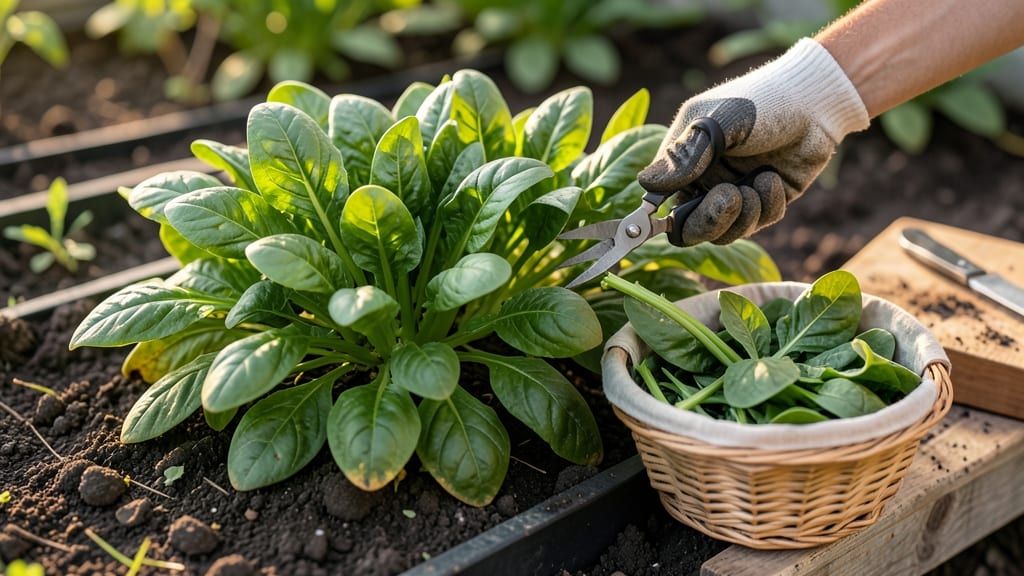
The right spinach harvest time turns a handful of leaves into a garden full of sweet, tender greens 🍃 — and missing it means bitter, tough plants that bolt before you can enjoy them.
If you’ve ever pulled a leaf just to wince at the sharp taste or watched your spinach shoot up into flower stalks overnight, you know timing is everything.
The difference between a perfect harvest and a wasted crop often comes down to knowing when to cut—and how to keep the plant happy for a second round.
Spring and fall spinach behave differently, and even a few degrees of temperature can shift your harvest window. Learn the ideal signs of readiness—leaf size, color, and texture—and how to avoid the two biggest mistakes that ruin your greens before they’re ready.
By the end, you’ll know exactly when to snip for the best flavor, how to encourage regrowth, and why climate plays such a big role in your garden’s success.

Optimal spinach harvest time by variety and season
Timing your spinach harvest correctly ensures you enjoy the sweetest, most tender leaves packed with nutrients. Different varieties and seasons demand unique approaches—baby leaf spinach thrives in 30-40 days, while mature varieties need 45-60 days to reach peak flavor.
Understanding these distinctions prevents bitter, tough leaves and maximizes your garden's productivity.
Spring and fall offer the best windows for spinach growth, but temperature thresholds matter. Ideal soil temps range between 45°F and 80°F, with cooler weather enhancing sweetness. Heat stress above 80°F triggers bolting (flowering), ruining your harvest. Knowing these cues helps you plan for seasonal success.
| Variety Type | Days to Harvest | Leaf Size | Best Season | Temperature Threshold |
|---|---|---|---|---|
| Baby Leaf Spinach | 30-40 days | 2-4 inches | Spring/Fall | 45°F-70°F |
| Mature Spinach | 45-60 days | 4-6 inches | Spring/Fall | 45°F-75°F |
| Savoy Spinach | 50-60 days | 5-7 inches | Spring | 40°F-70°F |
| Heat-Tolerant (e.g., Malabar) | 60-70 days | 6-8 inches | Late Summer | 50°F-85°F |
Spring-planted spinach typically reaches harvest readiness in April-May, aligning with cooler temperatures. Start harvesting when leaves reach 4-6 inches and show vibrant green color. For fall plantings, aim for September-October harvests before the first frost, as spinach becomes bitter when exposed to freezing temps.
For baby leaf spinach, you can begin harvesting as early as 30 days when leaves are just 2-4 inches long. This method encourages continuous growth, allowing you to pick tender leaves repeatedly. Use this approach for cut-and-come-again harvests, ideal for salads and microgreens.
Mature spinach varieties like 'Bloomsdale Long Standing' or 'Giant Winter' require more time—45-60 days—to develop fully. Look for fully formed leaves with a mild, sweet flavor. Waiting too long risks bolting, especially in warm weather, which turns leaves bitter and stringy.
Heat-tolerant varieties, such as 'Malabar' or 'Space', extend your harvest window into late summer. These varieties handle warmer temps up to 85°F but still prefer cooler nights. Plant them in late July-August for a fall harvest, avoiding the stress of summer heat.
Seasonal variations also affect flavor. Spring spinach tends to be sweeter due to cooler temps, while fall spinach may develop a slightly earthier taste. Monitor your plants closely—over-mature leaves lose tenderness and gain bitterness, especially in hot conditions. Regular harvesting prevents this issue.
To maximize yield, harvest outer leaves first, leaving the inner growth intact. This method encourages continuous regrowth for up to 30-40 days after initial planting. Avoid cutting more than one-third of the plant at once to prevent stress.
For a final harvest, cut the entire plant 1-2 inches above soil level.
Keep an eye on your spinach’s growth stage indicators: wrinkled leaves, yellowing edges, or flowering stems signal it’s past its prime. These signs mean it’s time to harvest immediately or pull the plant. Proper timing ensures you enjoy spinach at its peak nutritional value and flavor.
How to harvest spinach without killing the plant
Harvesting spinach the right way ensures you get tender, flavorful leaves while keeping your plant healthy for future harvests. The key is selective cutting—never yanking leaves from the stem. When done correctly, your spinach will regrow quickly and produce even more greens.
Let’s break down the step-by-step process so you can enjoy a continuous supply of fresh spinach all season.
Using the right tools and techniques makes all the difference. A sharp pair of pruning shears or scissors is ideal for clean cuts, while your fingers can gently pinch smaller leaves. Avoid pulling leaves—this can damage the plant’s root system and stunt regrowth.
With the right approach, you’ll harvest outer leaves first, leaving the inner leaves to grow larger and healthier. Let’s dive into the exact steps to follow.
After harvesting, give your spinach some post-harvest care to keep it thriving. Water the soil deeply but gently to avoid disturbing the roots, and consider adding a light layer of compost to replenish nutrients.
Spinach is a heavy feeder, so a balanced fertilizer (like 5-10-10) every 4-6 weeks will encourage lush regrowth. Avoid over-fertilizing, though—this can lead to bitter-tasting leaves.
One of the biggest mistakes gardeners make is harvesting too much at once. If you remove more than one-third of the plant in a single session, you risk stunting future growth. Another common error is waiting too long to harvest, which leads to tough, bitter leaves.
Always check for bright green color and tender texture before cutting. With these tips, your spinach will stay productive all season long.
Pro tip: If your spinach starts to bolt (flower), it’s time to harvest the entire plant. Bolted spinach becomes woody and bitter, but you can still use the leaves in cooked dishes.
To prevent bolting, choose heat-tolerant varieties like 'Tyee' or 'Space' and avoid planting in hot summer months. With the right care, you’ll enjoy a steady spinach harvest for weeks to come. 🌱