
How To
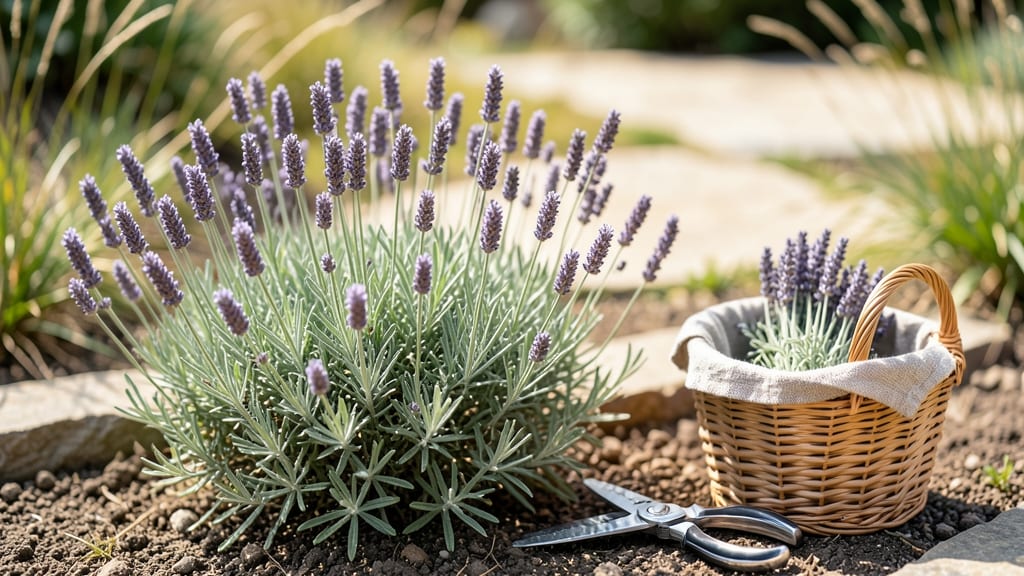
Harvesting lavender at the best time to harvest lavender transforms your garden into a fragrant goldmine—peak oil content and fragrance happen just before those tiny buds pop open.
Picture this: you’re about to snip stems that smell like a Provençal summer, only to realize they’re already fully bloomed. That’s the moment you wish you’d known the exact timing lavender craves—buds tight but ready to unfurl—because once they open, the essential oils start fading fast.
In USDA Zone 6a, that window typically falls between mid-July and early August, but Mediterranean climates push it earlier. The key? Watch for deep purple buds with a woody stem—crush one to check for that signature sweet aroma.
Miss it, and you’re left with weaker stems and less potent oil.
Below, I’ll break down the science behind the timing, how to spot the perfect moment, and why harvesting in the morning keeps your lavender at its best—no guesswork, just actionable cues for every gardener.

When to harvest lavender for maximum essential oil & fragrance
Timing your lavender harvest is a science—not just an art. The difference between peak fragrance and bitter, low-quality stems often comes down to when you cut them.
Lavender's essential oils are most concentrated just before the buds fully open, making early morning harvests in the bud stage your sweet spot. Miss this window, and you risk losing both aroma and oil potency.
Climate zones add another layer of complexity. In Mediterranean climates (like California or the Pacific Northwest), lavender often blooms earlier—sometimes as early as June. But in temperate zones (like much of the Midwest or Northeast), the harvest window typically shifts to July or August.
Understanding these regional differences ensures you're harvesting at the optimal moment for your specific growing conditions.
| Harvest Stage | Bud Development | Best Time of Day | Climate Zones | Key Characteristics |
|---|---|---|---|---|
| Pre-Bloom (Ideal) | Bud clusters tight, just beginning to open | Early morning (4-8 AM) | Zones 6-9: July-August Zones 7-10: June-July |
Deep purple buds, woody stems, strong aroma |
| Full Bloom (Acceptable) | Bud clusters fully open | Late morning (8-10 AM) | Zones 5-6: August-September Zones 8-10: July-August |
Milder aroma, lower oil content |
| Overripe (Avoid) | Bud clusters drying, petals falling | N/A (avoid harvesting) | All zones | Bitter taste, weak fragrance, poor oil yield |
For maximum essential oil extraction, focus on harvesting when 20-30% of buds are open. This stage ensures the highest concentration of linalool and linalyl acetate, the compounds responsible for lavender’s signature scent and therapeutic properties.
If you wait until buds are fully open, you’ll notice a dramatic drop in oil content, often by as much as 40%, according to studies on Lavandula angustifolia.
Mornings are the best time to harvest because dew has evaporated, and the oil content is at its peak. Avoid harvesting in the afternoon or evening, as temperatures rise and oils can become more volatile, reducing their quality.
If you must harvest later in the day, do so in the shade to prevent wilting and oil degradation.
Climate zones play a critical role in determining your harvest schedule. In cooler climates (like USDA Zones 5-6), lavender may not reach peak bloom until late July or August. Meanwhile, in warmer zones (like Zones 7-10), you might start harvesting as early as June.
Pay attention to your local last frost date and adjust accordingly—lavender needs consistent warmth to thrive.
One common mistake is harvesting lavender too early in the season. If you cut stems before the buds have formed, you’ll end up with low-yield, weak-smelling stems. Always wait until you see tight, compact buds forming at the tips of the stems.
This usually happens 60-90 days after planting, depending on your climate and variety.
Pro tip: Crush a few buds between your fingers before harvesting. If they release a strong, sweet aroma, it’s a sign your lavender is ready. If the scent is faint or grassy, wait a few more days.
This simple test can save you from harvesting underripe or overripe lavender, which can ruin your essential oil yield.
After harvesting, dry the stems quickly to preserve their fragrance and oil content. Bundle stems and hang them upside down in a well-ventilated, dry place out of direct sunlight. Proper drying ensures the essential oils remain intact, giving you the best possible yield for your efforts.
Remember, consistency is key when harvesting lavender. Over-harvesting can weaken your plants, while harvesting too little can lead to overcrowding and reduced blooms next season. Aim to harvest one-third of the plant at a time, leaving enough foliage to support photosynthesis and future growth.
Step-by-step lavender harvesting guide: tools & techniques
Once you’ve identified the perfect harvest window—just before lavender buds fully open—it’s time to gather your tools and prepare for the harvest. The right technique ensures high-quality stems with maximum fragrance and oil content, while improper handling can ruin your hard work.
I’ll walk you through the essential tools, precise cutting methods, and post-harvest care to preserve lavender’s potency for months.
Your toolkit should include sharp hand shears (for clean cuts) and bypass pruners (for thicker stems). Avoid dull tools—they crush stems and reduce oil quality.
Pair these with a bucket or basket lined with paper towels to absorb dew and a labeling marker to track varieties if you grow multiple types. Pro tip: Harvest on a dry, sunny morning when essential oils are most concentrated.
How to Harvest Lavender for Peak Quality
- Step 1: Locate the woody base 1 Cut stems 4-6 inches above the woody base to encourage bushier growth next season.
- Step 2: Use clean, sharp tools 2 Make cuts at a 45-degree angle to increase surface area for drying and prevent water pooling.
- Step 3: Bundle stems in groups of 5-10 3 Secure with twine or rubber bands at the base and top for even drying.
- Step 4: Hang bundles upside down 4 Choose a dark, dry, well-ventilated space (like a garage or shed) with 60-70°F temperatures to prevent mold.
- Step 5: Dry for 2-3 weeks 5 Stems are ready when crisp and brittle. Remove leaves and discard any discolored blooms.
After drying, store lavender in airtight containers away from light to preserve its aromatic compounds. For essential oil extraction, use fully dried buds within 6 months for the highest linalool and linalyl acetate content.
If you’re making sachets or potpourri, bundle stems with dried rose petals or citrus peels to enhance fragrance longevity.
Never harvest lavender after a heavy rain or when stems feel soft and green—this indicates immature buds with low oil content. Instead, wait for tight, woody stems with a sweet, herbal scent when crushed. This is your cue for a high-quality harvest every time.
For large-scale harvesting, consider a commercial lavender harvester or hire a local farmer to help—lavender plants can produce up to 50 lbs of dried buds per 100 sq ft in ideal conditions.
Just remember: harvesting too much at once weakens the plant, so space out cuts by 4-6 weeks during peak season.