
How To
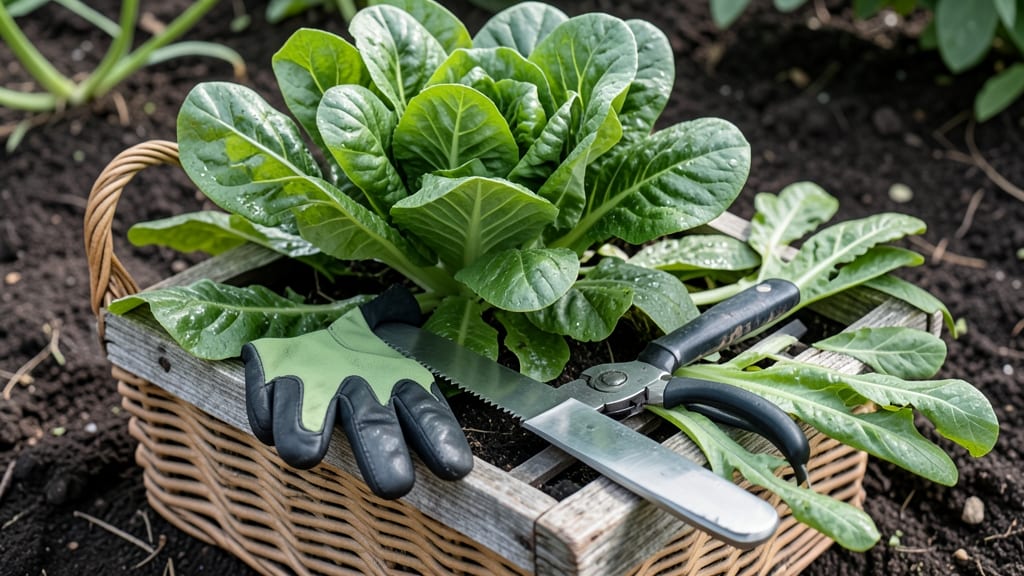
To harvest romaine lettuce from your garden at its peak, aim for 6-8-inch leaves with crisp stems and deep green color—this is when flavor and texture shine brightest.
Romaine lettuce thrives in home gardens but loses crispness fast—harvesting at the right time ensures tender, flavorful leaves every time. Follow this precise guide to pick your crop without sacrificing regrowth, whether you're a first-time gardener or a seasoned green thumb.
You’ll learn the exact moment to snip outer leaves (never the center!) and how to use sharp scissors to avoid damaging tender stems. The right technique keeps your plants producing for weeks, not just a single harvest.
From storage tips to reviving wilted leaves, this step-by-step guide covers everything you need to enjoy homegrown romaine at its freshest—no grocery store comparison required.

When and how to harvest romaine lettuce for maximum freshness and regrowth
Timing your romaine lettuce harvest is everything—pick too early, and you’ll sacrifice flavor; wait too long, and the leaves turn bitter. The ideal window arrives when leaves reach 6-8 inches long while maintaining crispness. This usually happens 50-70 days after planting, depending on your climate and growing conditions.
Look for deep green, upright leaves that form a tight head but haven’t bolted (sent up a flower stalk). The stems should feel firm under gentle pressure, not woody or hollow.
If you see yellowing edges or bolting, you’ve missed the boat—time to harvest immediately or risk losing your crop.
Never harvest in midday heat or during extreme temperatures. Early morning is perfect—cool temps preserve crispness, and you’ll avoid stressing the plant. Pro tip: Harvest on cloudy days if possible, as direct sunlight can wilt freshly cut leaves faster.
Your harvesting tools matter just as much as timing. Use a sharp chef’s knife or pruning shears to make clean cuts. Dull blades crush stems, inviting disease and slowing regrowth. Keep tools sanitized with a 10% bleach solution or rubbing alcohol to prevent bacterial spread between cuts.
How to Harvest Romaine Lettuce from Your Garden
- 1 Check maturity: Confirm leaves are 6-8 inches long with tight heads and deep green color. Gently squeeze stems—they should bend slightly but not break.
- 2 Choose your method: For continuous harvests, cut outer leaves 1 inch above the base at a 45° angle. For full heads, snip the entire plant ½ inch above soil level with a single cut.
- 3 Use sharp tools: Wipe your knife or shears with rubbing alcohol between cuts. Avoid tearing leaves—this invites pests and disease.
- 4 Harvest strategically: For regrowth, leave the inner leaves and core intact. Cut only the outer ⅓ of the plant to maintain structure.
- 5 Store immediately: Rinse leaves in cool water, pat dry with paper towels, and store in a sealed container with a damp paper towel to retain moisture. Use within 5-7 days for peak freshness.
- 6 Revive the plant: After harvesting, water the base deeply and mulch with 1 inch of compost to encourage regrowth. Avoid fertilizing for 2 weeks post-harvest to prevent leaf burn.
If you’re harvesting whole heads for salads or cooking, cut the entire plant at the base. For cut-and-come-again methods, focus on outer leaves to protect the tender center. This technique extends your harvest window by 3-4 weeks if done correctly, giving you multiple crops from a single planting.
Watch for bolting signs (flower stalks) after the first harvest. If your romaine bolts, it’s time to pull the plant and replant for a fresh batch. Bolting usually occurs due to heat stress or maturity, so succession planting every 2-3 weeks ensures a steady supply all season.
After your first harvest, fertilize lightly with a balanced 5-10-10 NPK to replenish nutrients. Water at the base (not overhead) to prevent fungal issues. With proper care, your romaine can produce 2-3 harvests per season, making it one of the most rewarding garden crops for beginners.
Pro move: Label your plants with harvest dates to track maturity. This helps you plan for fall plantings (September-October) in cooler climates, giving you a second harvest before winter sets in. Just remember—romaine hates frost, so protect young plants with row covers if temperatures dip below 25°F.
Romaine lettuce harvesting mistakes that kill your plant (and how to avoid them)
Harvesting romaine lettuce the wrong way can turn your thriving plants into sad, wilted relics in days. One wrong cut or poor timing can stunt regrowth and invite pests.
I’ve seen gardeners accidentally kill their lettuce by making these 3 deadly mistakes—and I’m here to stop you from repeating them.
Even experienced gardeners sometimes overlook heat stress or pest warnings until it’s too late. The good news? These mistakes are 100% preventable with the right techniques. Let’s fix them before your romaine turns bitter or bolts prematurely.
⚠️ 3 Harvesting Mistakes That Destroy Romaine Lettuce
- Cutting too close to the base: Severing the main stem kills regrowth. Always leave 1-2 inches above soil.
- Harvesting in extreme heat: Midday sun (above 85°F) causes bitterness and wilting. Wait for morning shade.
- Ignoring pest signs: Holes or yellowing leaves mean slugs or aphids are attacking. Act fast with neem oil or row covers.
💡 Pro Tip: Use clean, sharp scissors to avoid tearing leaves—dull tools cause disease entry points.
Let’s start with the most common mistake: cutting romaine at the wrong time. Many gardeners wait until the entire head is fully mature before harvesting, but this is a big mistake.
Romaine lettuce tastes best when harvested at 60-70% maturity, when leaves are 6-8 inches long but still crisp.
Another silent killer is harvesting during heatwaves. When temperatures exceed 80°F, romaine lettuce bolts (sends up a flower stalk) or develops bitter, tough leaves. I once lost an entire batch because I ignored the heat warnings—don’t make my mistake!
Pests are another hidden threat that often goes unnoticed until your plants are already damaged. Slugs and aphids love romaine lettuce, and their damage weakens the plant. Check the undersides of leaves daily for tiny holes or sticky residue—these are red flags.
To keep your romaine lettuce thriving, follow this quick diagnostic checklist if your plants look troubled:
- ✅ Leaves wilted? → Check for underwatering or overheating.
- ✅ Yellowing leaves? → Test for nutrient deficiency or pests.
- ✅ Bitter taste? → Harvest in cooler mornings.
With these fixes, your romaine lettuce will keep producing crisp, flavorful leaves for weeks—no grocery store needed! 🥬