
Pests and Diseases
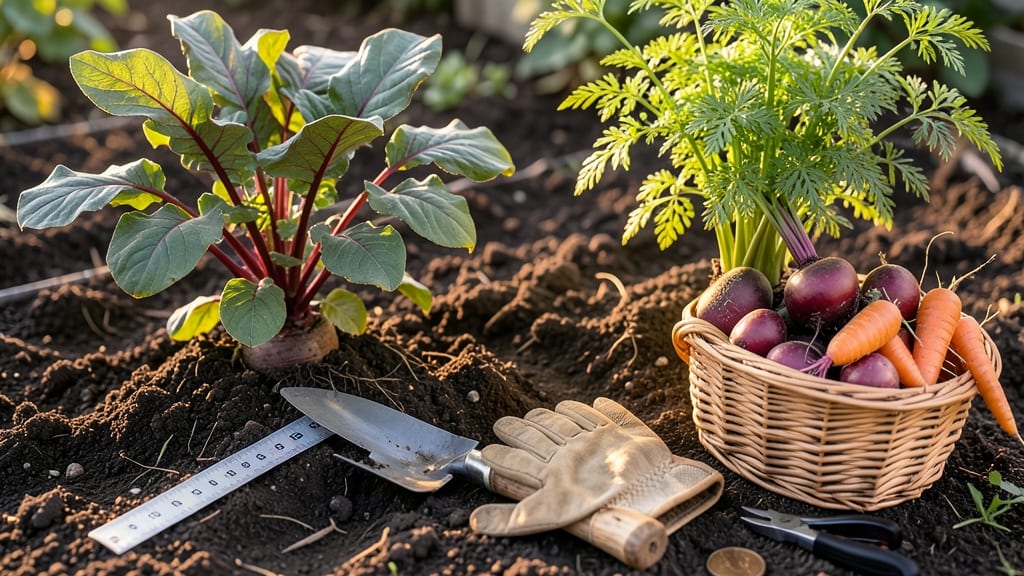
Harvesting beets and carrots at the right time ensures they’re packed with sweetness and perfect texture—don’t miss the window when they’re at their peak!
Picture this: you’ve nurtured your 🥕 for months, only to pull them too early and taste bland, fibrous roots. Or worse, you wait too long and they turn woody. The difference between garden-fresh perfection and disappointment often comes down to timing.
Most varieties of beets and carrots reach harvest readiness in 60 to 90 days, but size and soil conditions matter just as much. Beets should be about 1 to 3 inches in diameter, while carrots should be finger-thick or larger, depending on the variety.
The real trick? Checking the soil for resistance and watching for subtle color shifts in the leaves.
In this guide, I’ll walk you through the exact cues to look for—from root size to leaf color—and share soil-check tricks to guarantee you harvest at the sweetest, most flavorful stage. Whether you’re prepping for storage or immediate cooking, timing is everything.

How to determine when beets and carrots are ready to harvest by size and soil
Harvesting beets and carrots at the right time ensures maximum flavor and tenderness. Both root vegetables mature at different rates, so understanding their unique signals is key. For beets, the ideal harvest window is typically 50-70 days after planting, while carrots usually take 60-80 days, depending on the variety.
The secret lies in combining root size, soil resistance, and leaf color cues.
Start by checking the recommended days to maturity on your seed packet, as this gives a baseline. However, environmental factors like soil temperature and moisture can shift this timeline by 1-2 weeks. For example, cooler soils slow root development, while warm conditions speed it up.
Always harvest when the roots reach their ideal diameter, which varies by type—1-2 inches for baby beets and 3-4 inches for mature carrots.
Beets are ready when their roots reach the size specified on the seed packet, but don’t wait too long—they can become woody. A classic trick is the soil resistance test: gently squeeze the root through the soil. If it gives slightly but doesn’t pull out easily, it’s perfect.
For carrots, the shoulder (the top of the root) should be visible above the soil line, indicating full maturity. If the soil feels too loose or the carrot slides out effortlessly, it’s underripe.
Leaf color is another critical clue. Healthy beet greens should remain vibrant green with no yellowing, while carrot tops should stay deep green and lush. Wilting or yellowing leaves signal that the root has reached its peak and may start to degrade.
For both vegetables, the top greens should still look fresh—if they’re crisp and upright, the root below is likely ready.
Variety matters when determining harvest time. Detroit Dark Red beets, for example, are best harvested at 2-3 inches for tender roots, while Nantes carrots can be pulled at 3 inches for baby carrots or left until 4 inches for full flavor.
Always check the seed packet for variety-specific guidelines, as some types are bred for early harvest or storage.
Over-mature roots lose their sweetness and texture. Beets left too long in the ground develop a wooden core, while carrots can split or become fibrous. To avoid this, monitor your crop weekly and harvest in the morning when roots are crispest.
If you’re unsure, dig up one root to test—this gives you a clear signal without risking the entire harvest.
For storage purposes, harvest beets and carrots when they’re fully mature but still firm. Store them in a cool, dark place with high humidity to preserve freshness. Beets can last 2-3 weeks in the fridge, while carrots stay crisp for 3-4 weeks if kept properly.
If you notice the roots softening or sprouting, it’s time to use them up.
Remember, the best time to harvest is when the root meets all three criteria: correct size, proper soil resistance, and healthy leaf color. This ensures you get the sweetest, most tender roots straight from your garden.
With practice, you’ll develop an eye for the perfect moment—no more guesswork, just delicious harvests every time!
Soil check tricks for sweetest flavor: the overlooked harvest signal
Your beets and carrots might look ready, but the real secret to peak flavor lies beneath the soil surface. A simple soil resistance test reveals when roots are perfectly tender yet mature enough for that signature sweetness.
Overlooking this step often leads to woody roots or underdeveloped flavor—neither of which you want in your kitchen.
For Detroit Dark Red beets, I’ve found the sweet spot comes when the roots feel firm but yield slightly to gentle pressure. Meanwhile, Nantes carrots often need a slightly firmer touch—think of the resistance of a ripe avocado. These subtle differences make all the difference in your harvest’s quality.
⚠️ Warning: Over-Mature Roots Ruin Flavor
Harvesting too late causes roots to develop woody textures and bitter flavors. Look for these signs of over-maturity:
- Hard-as-rock soil resistance (roots won’t budge)
- Shriveled tops or yellowing leaves
- Cracked or split roots from dry soil
✅ Pro Tip: Dig up a test root at 50% of the package’s days-to-maturity to gauge progress.
To perform the test, use your thumb to press gently around the root’s edge. If the soil resists but gives slightly, that’s your cue to harvest. For baby carrots, aim for a softer resistance—think of pressing a ripe tomato.
This method works equally well for Chioggia beets, which often mature faster than their deep-red cousins.
Timing also varies by variety. Nantes carrots typically reach harvest readiness in 60-70 days, while Detroit Dark Red beets may take 50-60 days. Always check seed packets for variety-specific guidance, but never rely solely on days—soil checks are your true north.
For late-season harvests, watch for soil temperature drops below 50°F (10°C), which can cause roots to develop bitter flavors. If your soil feels cool to the touch, it’s time to harvest before the cold sets in.
Store any excess in a cool, dark place with high humidity to preserve sweetness.
Mastering this trick transforms your harvest from "meh" to "mind-blowing." The next time you’re tempted to wait "just a little longer," remember: the sweetest roots are often the ones you pull just before they reach their full size. Your taste buds will thank you!