
Picking
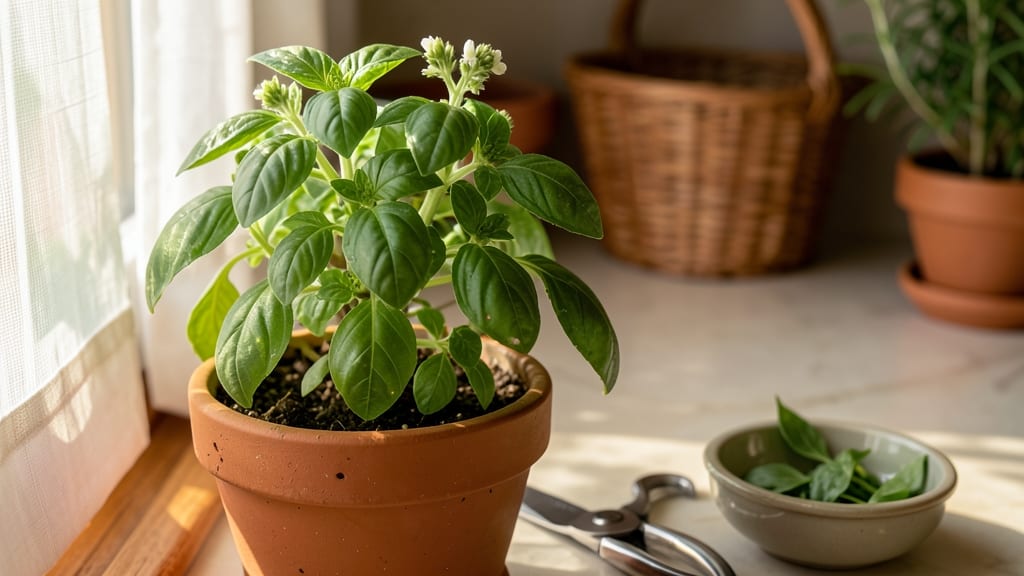
Harvesting basil at the right time means the difference between bursting flavor and bitter disappointment—here’s when to pick for the best leaves and regrowth.
Picture this: you’ve nurtured your 🌿 basil all season, only to snip a leaf and cringe at the sharp, almost medicinal taste. That’s not just a bad batch—it’s a classic sign you waited too long.
The key? Harvesting when the plant is at its peak, not just when you need a few sprigs.
For most gardeners in Zone 6, that’s June through October, but the real secret lies in the plant’s signals: large, aromatic leaves and sturdy stems. Ignore those, and you’ll either stifle growth or trigger bolting—when the plant puts energy into flowers instead of leaves.
Below, I’ll walk you through the exact stages to watch for, how often to harvest without harming your plant, and why a little pruning now saves you from a flavorless flop later. Let’s get those leaves tasting like they should.

Optimal basil harvest time: the best months and plant stages for peak flavor
Timing your basil harvest is the secret to unlocking that signature sweet, aromatic flavor we all love. If you pick too early, you’ll get small, underdeveloped leaves—if you wait too long, bitterness creeps in and growth slows.
The ideal harvest window spans from 60 to 90 days after planting, but understanding the plant’s stages and seasonal cues ensures you never miss peak flavor.
For most gardeners in USDA Zone 6, this means starting harvests in late June and continuing through early October. However, your exact timing depends on when you planted, your local climate, and whether you’re growing basil in containers or garden beds.
Container-grown basil, for example, often matures faster due to warmer soil temperatures, while garden beds may take slightly longer.
Key factors like temperature, sunlight exposure, and watering consistency also shift your harvest timeline. A sudden heatwave can accelerate growth, while cooler mornings slow it down. Below, we’ll break down the best stages to harvest, plus how to adjust for your specific growing conditions.
Your basil’s growth stage is the first clue for harvest timing. Look for deep green, vibrant leaves that are at least 2-3 inches long. These are your prime harvest indicators, signaling the plant has reached its peak flavor potential.
At this stage, your basil should also have sturdy stems that don’t snap easily—a sign it’s ready for regular picking.
Environmental factors like temperature play a huge role. Basil thrives in warmth (70-85°F), and when daytime temps dip below 60°F, growth slows dramatically. If you’re in a cooler climate, like USDA Zone 5, your harvest window may shrink to just July and August.
Conversely, in Zones 8-10, you can extend harvests into November with proper care.
Sunlight is another critical factor. Basil needs 6+ hours of direct sun daily to develop its signature flavor compounds. If your plants are in partial shade, they’ll grow slower and taste milder.
In containers, rotate pots weekly to ensure even sun exposure—this keeps all stems uniform and ready for harvest at the same time.
Watch for flower buds, which signal the end of the prime harvest window. Once those tiny white or purple flowers appear, your basil’s energy shifts from leaf production to seed-making. This is when bitterness increases and leaves become tough.
To delay flowering, pinch off buds as soon as you spot them—this redirects the plant’s energy back to leaf growth for 2-3 more weeks of harvests.
In late summer, as temperatures rise above 90°F, basil may bolt prematurely. To combat this, provide afternoon shade with a lightweight shade cloth (30-50% coverage) and increase watering frequency. These adjustments can buy you another 3-4 weeks of harvests before the first frost hits.
For container gardeners, timing is even more critical
How to harvest basil without killing the plant: regrowth tricks for continuous yields
Harvesting basil correctly is the secret to a thriving plant that keeps producing flavorful leaves all season long. The key lies in strategic cutting techniques that encourage bushier growth while preventing bolting or stunted development.
When done right, your basil can yield continuous harvests for months—not just a one-time pick.
Most gardeners make the mistake of harvesting too much too soon or cutting in the wrong places, which stresses the plant and reduces future yields. Instead, focus on selective pruning and proper timing to maintain your basil’s vigor.
With the right approach, you’ll enjoy fresh, aromatic leaves without sacrificing the plant’s health or productivity.
Step-by-Step Basil Harvesting Guide
If your basil starts to bolt (send up flower stalks), don’t panic—it’s not the end of your harvest. Simply cut the flower stalk back to just above a leaf node, and the plant will often regrow leaves from that point.
This trick works best if you catch bolting early, so keep an eye on your plants during peak growing months.
For container-grown basil, follow the same rules but be extra gentle—small pots have limited resources. After harvesting, give your container basil a light fertilizer dose (like a balanced 10-10-10) to help it bounce back faster.
Consistency is key: stick to this method, and you’ll enjoy a year-round basil harvest in most climates.
Remember, the goal is to encourage regrowth, not exhaust your plant. With these techniques, your basil will stay lush, flavorful, and productive—giving you fresh herbs for pesto, salads, and cooking all season long. Happy harvesting! 🌿✂️🌱