
Vegetables
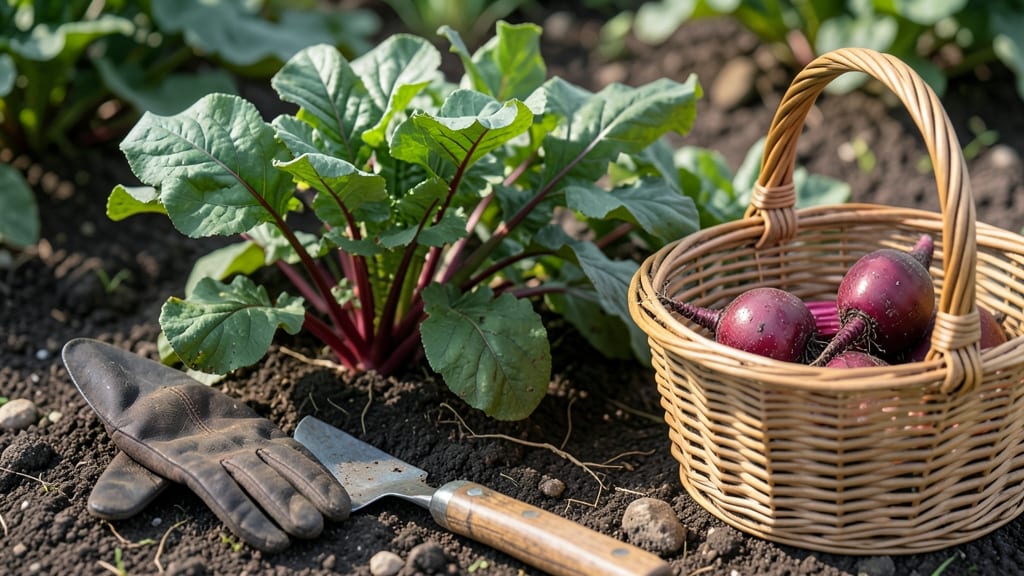
Harvesting beetroot at the right time turns your garden into a treasure trove of sweet, tender roots 🍠—the difference between a meal-worthy harvest and tough, bitter disappointment.
Picture this: you’ve nurtured your beetroot for months, and now the moment of truth arrives. But how do you know when those roots are finally ready to pull? The answer lies in their size, leaf color, and even the weather—details that can make or break your harvest.
In USDA Zone 6a, the best beetroot harvest time falls between June and July for spring plantings, and again in October and November for fall crops.
Yet, not all beets follow the same timeline—varieties like baby beets mature faster than storage types, and a sudden heatwave can rush their growth.
Below, I’ll break down the exact signs to watch for, how to handle them without damage, and why timing matters more than you think for flavor and storage life.

How to identify the best beetroot harvest time by visual cues
Timing your beetroot harvest perfectly ensures you enjoy the sweetest, most tender roots possible. Miss the window, and you risk tough, fibrous beets that lack flavor. The key lies in watching for three critical visual cues—stem condition, leaf size, and root diameter—that signal when to dig.
First, focus on the stem and leaf health. As beets mature, their stems begin to wilt slightly and the leaves may yellow at the edges. This isn’t a sign of disease—it’s nature’s way of telling you the plant is redirecting energy to the root.
Ignore this cue, and your beets will grow past their prime, becoming woody and less palatable.
Next, check the leaf size and color. Healthy beet greens should be deep green and vibrant, with mature leaves reaching 4-6 inches tall. If the foliage looks sparse or pale, your beets may need more time.
However, if the leaves start to yellow entirely or bolt (send up flower stalks), you’ve waited too long.
Finally, the most reliable indicator is the root diameter. Aim to harvest when the roots reach 2-3 inches in diameter. Smaller beets (under 1 inch) are tender but may lack sweetness.
Larger roots (over 3 inches) often develop a tough, fibrous texture. Use your fingers to gently probe the soil—if the root feels firm and smooth, it’s ready.
| Cue | Description | Action |
|---|---|---|
| Stem Condition | Stems wilt slightly; leaves may yellow at edges | Harvest within 3-5 days |
| Leaf Size | Leaves 4-6 inches tall, deep green | Ideal harvest time |
| Root Diameter | 2-3 inches wide, firm texture | Dig immediately for best flavor |
| Skin Texture | Smooth, taut skin (not wrinkled) | Perfect for storage or cooking |
| Warning Signs | Leaves bolt or turn fully yellow | Harvest immediately—roots toughen fast |
Avoid the mistake of harvesting based on days after planting alone. While most beet varieties take 50-70 days to mature, environmental factors like soil temperature and sunlight can speed up or slow down growth. For example, cooler springs may delay maturity, while hot summers can rush the process.
Climate also plays a role in harvest timing adjustments. In warm climates, beets may mature faster and need harvesting earlier. In cool regions, they might take longer to reach ideal size. Always prioritize visual cues over calendar dates to ensure the best results.
One common pitfall is waiting until the entire plant looks stressed. By then, the roots have likely become woody and less flavorful. Instead, harvest a few test beets when they’re close to size—slice one open to check the color and texture.
A vibrant, deep color with a firm but tender bite means you’re on track.
Pro tip: For continuous harvests, plant beet seeds in successive batches every 2 weeks. This ensures a steady supply of fresh, tender beets throughout the growing season. Just remember to thin seedlings early to give remaining plants enough space to develop properly.
Once you master these visual cues, you’ll never again sacrifice flavor for convenience. Your garden will yield beets that are sweet, tender, and perfect for roasting, pickling, or salads. Happy harvesting!
Optimal harvest windows for different beet varieties (and when to wait)
Not all beets are created equal when it comes to harvest timing. Baby beets need quick attention—usually within 40-50 days—while storage varieties like Detroit Dark Red can wait up to 70 days for maximum sweetness.
Heirloom varieties often fall somewhere in between, requiring careful monitoring of both root size and leaf health. Your climate plays a huge role too; cool-season varieties thrive in spring/fall, while heat-tolerant types like Chioggia can handle summer harvests if given consistent moisture.
Timing your harvest correctly prevents woody, tough roots. For example, Baby Beets like 'Little Ball' should be pulled when they're 1-2 inches wide, while storage beets like 'Golden Beet' reach peak flavor at 2.5-3 inches.
In warm climates, you might harvest 1-2 weeks earlier to avoid heat stress, whereas cool regions can extend harvests into late fall. The key is balancing root maturity with environmental conditions—don’t let your beets sit too long in the ground!
| Variety Type | Days to Harvest | Root Size | Best Season | Climate Note |
|---|---|---|---|---|
| Baby Beets | 40-50 | 1-2 inches | Spring/Fall | Harvest early to avoid bolting |
| Storage Beets | 60-70 | 2.5-3 inches | Spring/Fall | Wait for full size in cool weather |
| Heirloom Beets | 55-65 | 2-3 inches | Spring/Summer | Monitor leaf color for stress signs |
| Heat-Tolerant (Chioggia) | 50-60 | 2 inches | Summer | Harvest before soil temps exceed 85°F |
For baby beets, I recommend harvesting when the roots are golf-ball sized—any larger and they lose their tender texture. Use a fork to gently loosen soil around the edges before pulling to avoid damaging the roots.
In cool climates, you can often extend harvests into early winter by covering plants with row fabric or mulch. This protects them from early frosts while allowing roots to mature fully.
Storage varieties like Detroit Dark Red or Chioggia should be left in the ground longer to develop thicker skins and deeper flavors. Wait until the tops are 4-6 inches tall and the roots feel firm when pressed—this usually aligns with 60-70 days after sowing.
In warm climates, prioritize early morning harvests to prevent wilting. Store these beets in a cool, dark place (like a root cellar) for up to 3 months.
Heirloom varieties often have unique harvest cues, like striped or colorful skins that signal maturity. For example, 'Bull's Blood' develops deep red leaves when ready. In short-season areas, succession planting every 2 weeks ensures a steady supply.
If your summer heat waves arrive early, opt for shade cloth to protect plants and maintain sweetness. Always harvest heirlooms before the tops yellow or bolt—this ruins both flavor and storage potential.
Pro tip: Test one beet from each variety before committing to a full harvest. Cut a cross-section to check for uniform color and tenderness. If the center looks pale or fibrous, wait another week.
This simple step saves time and frustration, especially when dealing with heirloom or experimental varieties. Remember, patience pays off—rushing harvests leads to bitter, tough roots that no one enjoys!