
Vegetables
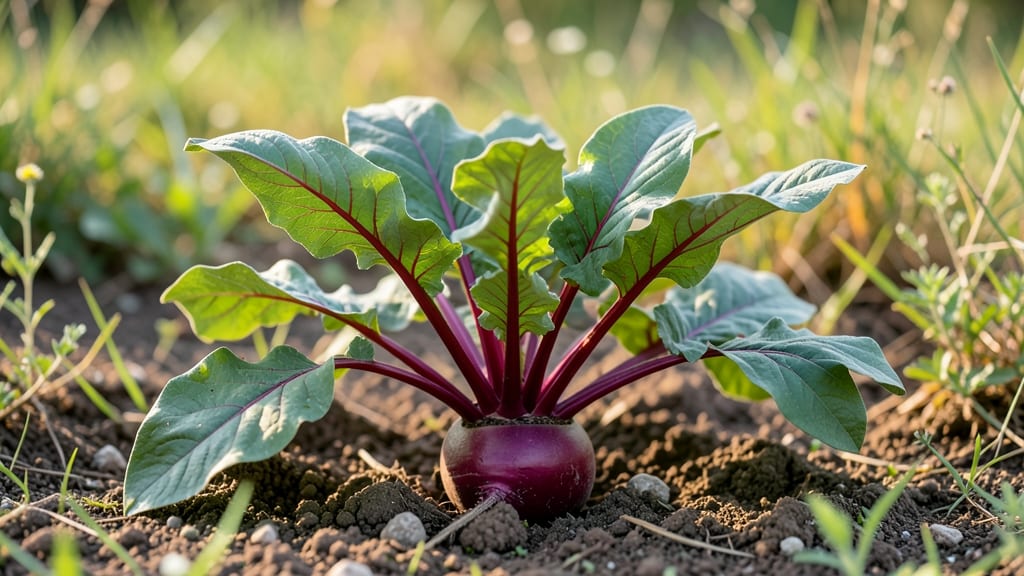
Growing beetroot from seed to harvest time takes about 50–70 days, depending on your variety and growing conditions—but those days can stretch or shrink if you don’t know the right tricks.
Picture this: you’ve sown your 🍠 beetroot seeds in early spring, eager for those deep red roots, only to find them tough and woody by summer. That’s not just bad luck—it’s often a matter of timing, soil, or spacing.
The good news? With the right approach, you can shave weeks off the wait (or even speed up slow starters) without sacrificing flavor or crunch.
In this guide, I’ll break down the exact days to harvest for popular varieties like Detroit Dark Red and Chioggia, plus the key stages—from germination to thinning—that determine whether your beetroots hit their prime at 60 days or linger past 70.
You’ll also learn how to fix common mistakes that turn your patient wait into a disappointing harvest.
Ready to go from seed to table with confidence? Let’s get your beetroot timeline dialed in for a bumper crop of sweet, tender roots.

Beetroot seed to harvest time by variety: exact days for crunchy roots
If you're planning your beetroot harvest, timing is everything! The days from seed to harvest vary by variety, but most gardeners can expect 50-70 days for mature roots. Knowing these exact timelines helps you schedule planting for the best flavor and texture.
For example, Detroit Dark Red and Chioggia are classic choices, while Golden varieties mature slightly faster. Let’s break down the specifics so you can plan your garden like a pro.
Your USDA zone also plays a role in timing. In cooler zones (1-5), start seeds indoors or use row covers to extend the growing season. Warmer zones (6-10) allow for direct sowing as early as February or March, with harvests ready by mid-summer.
Below, I’ve included a detailed table to help you match your variety to your climate for the fastest, sweetest roots.
| Variety | Days to Harvest | Ideal Planting Window (USDA Zones 1-10) | Root Size at Harvest |
|---|---|---|---|
| Detroit Dark Red | 56-60 days | March-April (Zones 1-5) / February-March (Zones 6-10) | 2-3 inches |
| Chioggia (Striped) | 55-65 days | April-May (Zones 1-5) / March-April (Zones 6-10) | 2-3 inches |
| Golden | 50-55 days | March-April (All Zones) | 1.5-2.5 inches |
| Baby Beet (e.g., 'Little Ball') | 40-50 days | April-May (All Zones) | 1 inch (harvest young) |
| Heirloom (e.g., 'Albina Vereduna') | 60-70 days | March-April (Zones 6-10) / May (Zones 1-5) | 3-4 inches |
For Detroit Dark Red, the most popular variety, you’ll see roots ready in 56-60 days when planted in well-draining soil with full sun exposure. This variety thrives in cooler climates, making it ideal for gardeners in USDA zones 1-7.
If you’re in a warmer zone (8-10), plant earlier to avoid the heat, which can cause bolting.
If you love the striking stripes of Chioggia beetroots, expect a slightly longer wait—55-65 days. These beauties are perfect for salads and roasting, but they need consistent moisture to develop their signature patterns.
Plant them in loose, fertile soil and thin seedlings to 3-4 inches apart for the best results.
Golden beetroots are the speed demons of the beet family, maturing in just 50-55 days. Their mild, sweet flavor makes them a favorite for quick harvests. They’re also more tolerant of heat, so they’re a great choice for USDA zones 7-10. For a continuous harvest, succession plant every 2 weeks starting in early spring.
Looking for something quick? Baby beets like 'Little Ball' are harvested in just 40-50 days when roots reach 1 inch in diameter. These are perfect for container gardening or adding to salads as microgreens. Plant them in well-composted soil and keep them evenly moist for tender, sweet roots.
Heirloom varieties like Albina Vereduna take the longest—60-70 days—but their deep purple-and-white striped roots are worth the wait. These are best suited for cooler seasons and longer growing periods.
If you’re in a short-season zone, start seeds indoors 6-8 weeks before your last frost date for the best success.
Pro tip: Use row covers in early spring to warm the soil and speed up germination. Beet seeds need soil temperatures of at least 50°F (10°C) to sprout reliably. In USDA zones 1-4, consider using a cold frame or greenhouse to extend your growing season.
Once your beetroots reach harvest size, pull them gently when the soil is moist to avoid breaking the roots. Store them in a cool, dark place for up to 3 months for the freshest flavor.
Now that you know the exact days for each variety, you’re ready to plan your garden for a crunchy, homegrown harvest! 🌱
How to accelerate beetroot growth: pro tips to reduce seed-to-harvest time
Beetroots are a gardener's dream because they're easy to grow, but even the most patient among us want to enjoy those sweet, earthy roots sooner rather than later. The good news?
With a few science-backed tweaks, you can shave weeks off the 50-70 day seed-to-harvest timeline without compromising quality. Let's dive into the methods that actually work.
First, let's address the biggest factor: soil temperature. Beetroot seeds germinate best when soil reaches 50-60°F (10-15°C). If your spring soil is still chilly, consider using a seedling heat mat or planting in black plastic mulch to warm the soil faster.
This can cut germination time by 3-5 days and get your plants off to a stronger start.
Here are my top proven strategies to accelerate beetroot growth while keeping those roots tender and flavorful:
Optimize soil warmth with black plastic mulch or row covers to maintain 60-70°F soil temps, speeding germination by 4-7 days.
Use companion planting with onion family plants (garlic, chives) to deter pests while improving nutrient uptake.
Space seeds 1-2 inches apart in rows 12 inches apart to prevent overcrowding, which slows growth by 10-15%.
Water deeply twice weekly (1 inch total) using drip irrigation to maintain consistent moisture without stress.
Thin seedlings to 3-4 inches apart when they reach 2 inches tall—this reduces competition and speeds root development by 2 weeks.
Don't overlook the power of light. Beetroots need 6+ hours of full sun daily, but if you're growing in partial shade, choose leafy varieties like Fordhook Giant that tolerate lower light better. In containers, place them in the sunniest spot and rotate pots weekly for even growth.
For an extra boost, try foliar feeding with a diluted fish emulsion every 2 weeks starting when seedlings are 3 inches tall. This delivers nutrients directly to the leaves, accelerating growth by 10-15% without overloading the soil. Just be sure to apply in the early morning to prevent leaf burn.
Remember, the key to faster beetroot growth is consistency. Whether it's maintaining soil moisture, spacing properly, or providing optimal light, small daily efforts compound into significant time savings.
With these methods, you could see harvest-ready beetroots in as few as 45 days—just in time for your next meal prep! 🌱