
Vegetables
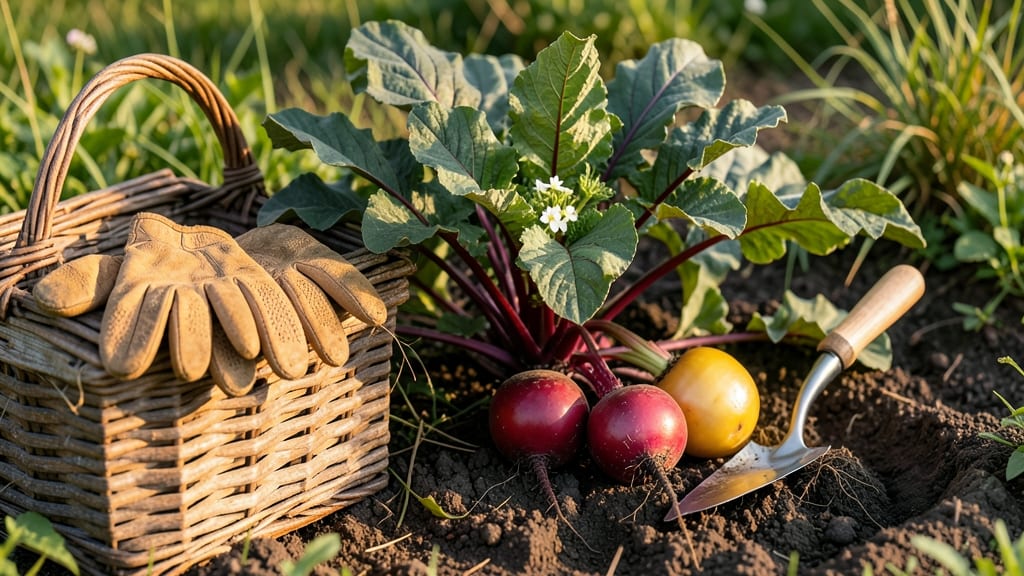
Harvesting beets at the right time turns earthy roots into sweet, tender treats 🍠 — and the difference between 60 days and 75 days after planting can mean the difference between dinner-table star and forgotten cellar stash.
Picture this: you’ve been checking your garden every few days, and now the tops are 6-12 inches tall with deep, vibrant color. But if you pull them too early, they’re tough and bitter; too late, and they get woody.
That’s the sweet spot you’re after—and missing it means wasting months of effort.
Here’s the secret: timing isn’t just about days after planting. Soil temperature, leaf health, and even the weather play a role. In Zone 6a, that means June-July for spring plantings or October-November for fall crops, but there are tricks to adjust for your microclimate.
Below, I’ll walk you through the exact visual cues to watch for, how to harvest without damaging the roots, and the storage hacks that keep your beets fresh for months—so you can enjoy that perfect harvest long after the growing season ends.

When to harvest beets for peak sweetness and texture
Timing your beets harvest perfectly is an art that balances size, color, and seasonal conditions. Baby beets, standard varieties, and storage types all have different sweetness peaks—missing the window can turn your harvest from tender to tough or bitter.
I’ve learned the hard way that waiting too long means woody roots, while harvesting too early sacrifices flavor development.
Beets mature in 45-75 days depending on variety, but the real magic happens when roots reach 1-3 inches in diameter. For baby beets, aim for 1-2 inches—they’re sweeter and more delicate.
Storage varieties like ‘Detroit Dark Red’ can wait until 3 inches for better shelf life. The key is watching both the roots and foliage for visual cues.
| Variety Type | Root Size | Days to Harvest | Foliage Height | Best Season |
|---|---|---|---|---|
| Baby Beets | 1-2 inches | 45-55 days | 4-6 inches | Spring/Fall |
| Standard Beets | 2-3 inches | 55-65 days | 8-12 inches | Summer/Fall |
| Storage Beets | 3+ inches | 65-75 days | 12+ inches | Early Fall |
The color of your beets is your best flavor indicator. Deep, consistent hues—whether crimson, golden, or purple—signal peak sweetness. Pale or striped roots often mean uneven growth or stress.
I always dig a test beet when the tops hit 6-12 inches—if the root is firm and vibrant, it’s time to harvest. For golden beets, the yellow should be uniform, not patchy.
Seasonal timing matters just as much as size. In cool climates (Zones 3-5), aim for late spring harvests when soil temps stay below 75°F. Heat stress after 80°F turns beets woody and bitter.
Southern gardeners should focus on fall plantings to avoid summer’s extreme heat. I’ve found that early morning harvests preserve sweetness—beets left in hot soil can develop off-flavors.
Don’t ignore the leaves—they’re your early warning system. Healthy, deep green foliage means your beets are thriving. Yellowing or wilting leaves signal nutrient deficiencies or disease, which can affect root quality.
If leaves start bolting (sending up flower stalks), harvest immediately—the roots will toughen fast. For long storage, prioritize beets with the most robust tops.
Soil conditions play a sneaky role too. Sandy soil speeds up maturity, while clay holds moisture longer, delaying harvest. I always check soil moisture before pulling—dry conditions can make roots tough.
A light rain the day before harvest plumps them up perfectly. For container-grown beets, harvest when roots fill the pot’s lower half, as space constraints limit growth.
Regional climates shift harvest windows dramatically. In Pacific Northwest gardens, I harvest baby beets as early as May, while Southern California gardeners can extend harvests into November with fall plantings.
Frost-sensitive varieties like ‘Chioggia’ must be pulled before 28°F—their rings turn mushy in cold. Always check your last frost date and plan accordingly.
Pro tip: Use a gardening fork to loosen soil before pulling—this prevents root damage. Gently twist beets free; never yank them. For storage varieties, cure them in a dark, 55-60°F space for 2-3 hours to toughen skins.
I’ve stored beets in sand-filled crates for months this way—no rot, just sweet roots ready whenever I need them.
Remember, harvest timing is a balance. Baby beets at 45 days are perfect for quick salads, while 75-day storage beets need time to develop thick skins. Pay attention to your plants’ signals, and you’ll always pull beets at their sweetest, most tender peak—no guesswork needed.
How to harvest beets without damaging the roots (step-by-step)
Harvesting beets carefully ensures you get sweet, tender roots that store well and cook perfectly. The key is timing and technique—pull them too early, and they’ll be tough; wait too long, and they’ll turn woody.
I’ve learned that loose, well-drained soil and the right tools make all the difference in avoiding broken roots or lost harvests.
Start by checking your beets for these harvest readiness signs: roots should be 1-3 inches in diameter, with vibrant color (deep red, gold, or purple) and 6-12-inch-tall foliage.
If the greens are still small or the roots feel hard, give them a few more days. Once ready, follow these steps to pull them cleanly and preserve their flavor.
Water the Soil
Soak the soil 1-2 hours before harvesting to loosen the earth and reduce root damage. Aim for 1 inch of water—this helps the roots slide out smoothly.
Use the Right Tools
Grab a hand fork or garden trowel to gently loosen the soil around the beet. Avoid sharp tools—they can slice roots. For stubborn beets, a pruning saw works for cutting thick soil.
Grip and Pull
Hold the beet’s greens firmly and wiggle it side-to-side while pulling upward. If resistance occurs, use your fork to pry gently—never yank hard, or you’ll snap the root.
Shake Off Soil
Rinse roots under cool water to remove dirt, but avoid scrubbing—the skin is edible! Trim the greens to 1 inch above the root to prevent bleeding during storage.
Cure for Storage
Let beets air-dry for 1-2 hours in a cool, dark place. This hardens the skin, reducing moisture loss. Store in a plastic bag in the fridge for up to 2 weeks.
If you encounter broken roots during harvest, don’t toss them! Use the damaged pieces for soups or roasting—they’ll still taste great. For storage beets, leave them in the ground until frost threatens, then dig carefully to avoid bruising.
Pro tip: Harvest on a cool, cloudy day to prevent stress on the plants. Overheated beets lose sweetness faster, so timing matters as much as technique. With these steps, you’ll enjoy perfectly preserved beets for months to come. 🌱