
How To
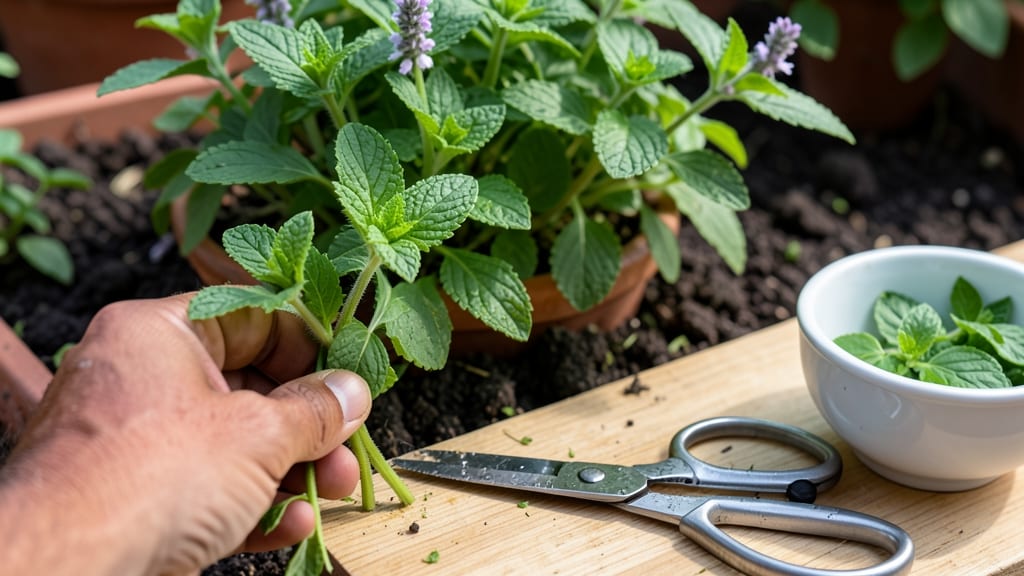
To harvest mint at its peak flavor and encourage regrowth, the best way to harvest mint is to time your cuts carefully—especially between June and September when the plant is in full swing.
Picture this: you’ve spent weeks nurturing your 🌿 mint, and now it’s thriving—lush, fragrant, and ready for the kitchen. But harvest too early or too late, and you’ll either get weak stems or bitter leaves.
The best way to avoid this? Cut just before flowering when the leaves are dark green and packed with aroma.
Most gardeners make two big mistakes: harvesting before the plant matures or snipping too close to the base, which stunts future growth. Instead, aim to take one-third of the stems at a time, leaving plenty of foliage behind. This keeps your mint bushy and productive for months.
In this guide, I’ll walk you through the exact steps—from when to cut for maximum flavor to how to store your harvest so it stays fresh (or dried) for tea, cocktails, or cooking. No more wasted effort, just a steady supply of vibrant, aromatic mint.

Optimal harvesting time for mint: when to cut for best regrowth and flavor
Timing your mint harvest correctly is the secret to bold flavor and vigorous regrowth. Most gardeners make the mistake of harvesting too early or too late, which weakens the plant and dulls its aromatic oils.
The best time to harvest mint is 4-6 weeks after planting, when the plant has reached 4-6 inches in height and shows fully developed leaves.
You'll know your mint is ready when the leaves are lush and dark green, emitting a strong minty scent when crushed.
Avoid harvesting when the plant starts flowering, as this shifts energy away from leaf production and reduces flavor intensity. Flowering mint tastes bitter and grows woody stems, making it less desirable for culinary or medicinal use.
Seasonally, mint thrives in late spring through summer (June-September in most climates), but you can extend harvests into early fall if your region has mild winters. In USDA Zone 6a, I harvest my mint from June through September, stopping only when temperatures drop below 40°F or frost threatens.
Over-harvesting can stress your mint plant, leading to stunted growth and leggy stems. Never remove more than one-third of the plant at a time, and always leave at least 2-3 inches of stem above the soil to encourage new shoots.
I’ve seen mint plants recover from light harvesting, but aggressive cuts can kill them.
Under-harvesting, on the other hand, leads to woody stems and reduced flavor. Mint grows aggressively, and regular harvesting actually promotes bushier, more flavorful growth. Aim to harvest every 4-6 weeks during peak season to maintain a compact, aromatic plant.
| Stage | Height | Leaf Size | Harvest Time | Flavor Intensity |
|---|---|---|---|---|
| Early Growth | 1-4 inches | Small, sparse | Avoid | Mild |
| Optimal Harvest | 4-6 inches | Lush, dark green | Every 4-6 weeks | Strong |
| Flowering Stage | 6+ inches | Bitter, woody | Stop harvesting | Weak |
| Late Season | 8+ inches | Leggy, sparse | Reduce frequency | Moderate |
Morning is the ideal time to harvest mint because the oils are most concentrated after a night’s rest. Cut stems just above a leaf node (where leaves meet the stem) to encourage new growth from that point.
I use clean, sharp scissors to avoid crushing stems, which can lead to disease.
If you’re harvesting for drying or long-term storage, focus on larger stems with multiple leaves, as these dry more evenly. For fresh use, smaller leaves (harvested from the top) are more tender and flavorful. Always leave the lower leaves intact to protect the plant’s energy reserves.
One common mistake is cutting too close to the base, which can expose the plant to rot or pests. Aim to leave at least 2-3 inches of stem above the soil.
Another is harvesting in wet conditions, which can spread fungal diseases. Always harvest on dry mornings for the best results.
To maintain a continuous harvest, I recommend regular pruning throughout the growing season. This keeps my mint plants compact, bushy, and flavorful while preventing them from becoming leggy or woody. With the right timing and technique, you can enjoy fresh mint all season long.
Step-by-step mint harvesting techniques: pruning vs. pinching vs. cut-and-come-again
Harvesting mint the right way keeps your plant healthy and productive while maximizing flavor. The three most effective methods—pruning, pinching, and cut-and-come-again—each offer unique benefits depending on your goals. I’ve tested all three in my garden, and the difference in regrowth and aroma is noticeable!
For bushier plants, pruning with clean cuts is ideal, while pinching encourages smaller, more flavorful leaves. The cut-and-come-again method is perfect for continuous harvests. Let’s break down each technique, including the tools you’ll need and how to avoid damaging your mint.
Best Way to Harvest Mint: Method Comparison
Best for: Bushier growth
✅ Encourages dense foliage
✅ Ideal for large harvests
❌ Requires sharp tools
Best for: Smaller leaves
✅ Promotes tender growth
✅ No tools needed
❌ Slower regrowth
Best for: Continuous harvests
✅ Maximizes yield
✅ Fast regrowth
❌ Risk of over-harvesting
For pruning, use clean, sharp pruners or scissors to cut stems just above a leaf node. This method stimulates new growth from the base, creating a fuller, bushier plant.
Always remove 1/3 of the plant at a time to avoid stressing it. I like to prune in the morning when the leaves are dry, reducing the risk of disease.
Pinching is my go-to for smaller leaves, especially for culinary use. Simply pinch off the top sets of leaves with your fingers, encouraging the plant to branch out. This method is perfect for container gardens where space is limited. Just avoid pinching more than 20% of the plant at once to prevent stunting growth.
The cut-and-come-again technique is ideal for continuous harvesting. Cut stems 2-3 inches above the soil when the plant reaches 6-8 inches tall. New shoots will sprout quickly, allowing you to harvest every 2-3 weeks.
This works best for mint varieties like spearmint or peppermint, which recover well from heavy pruning.
No matter which method you choose, always avoid cutting into woody stems or more than 1/3 of the plant at once. Over-harvesting weakens the plant and reduces flavor. After harvesting, rinse the leaves gently and pat them dry to preserve their aromatic oils.
For the best flavor, harvest mint before flowering, as the oils that give mint its signature taste diminish once buds form. Store harvested mint in the fridge for up to 1 week or dry it for long-term use. Happy harvesting! 🌿✂️