
Picking
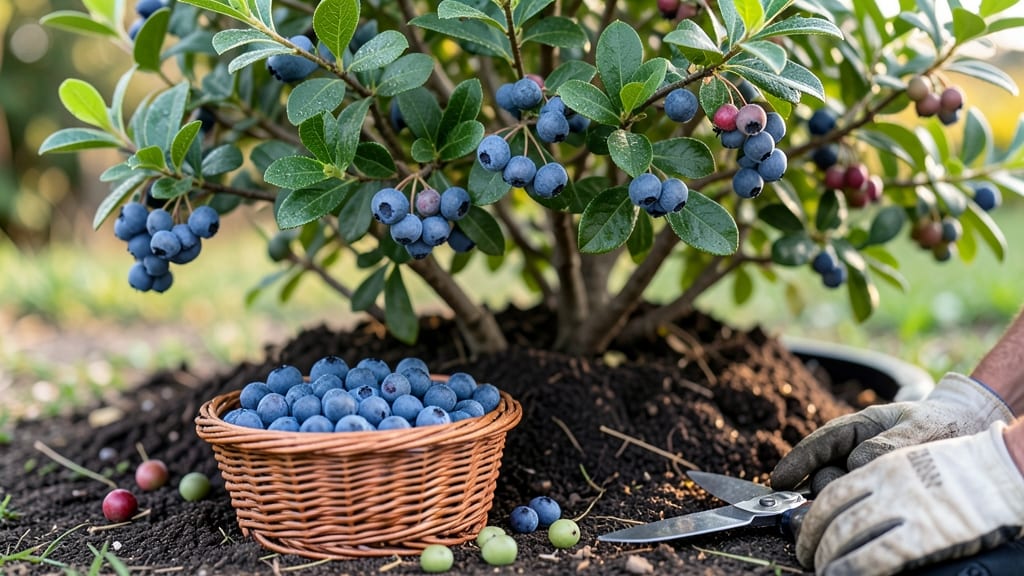
The time to harvest blueberries is when they turn deep blue, plump, and easily twist from the stem 🫐 — a window that lasts just 2-3 weeks in most regions.
Picture this: you’ve spent months nurturing your bushes, and now the berries are ripe—but wait too long, and they’ll shrivel on the branch. Or pick too soon, and you’ll end up with mealy, underripe fruit that’s barely worth the effort.
The difference between a stellar harvest and a disappointing one often comes down to knowing the exact moment to act.
Beyond color and firmness, factors like your USDA zone, blueberry variety, and even morning dew can shift the ideal harvest window. For example, early-season cultivars in Zone 6a might peak in late June, while late varieties could stretch into August.
That’s why understanding the subtle cues—like a berry’s scent or how it detaches—is the key to maximizing flavor and yield.
In this guide, I’ll walk you through the step-by-step signs of ripeness, how to adjust for your climate, and the best practices for harvesting without bruising a single berry. By the end, you’ll know not just when to pick, but how to make every harvest your best one yet.

How to determine blueberry harvest time by color, firmness, and ripeness
Blueberries transform from green buds to deep blue jewels over just a few weeks, making timing your harvest tricky. The perfect moment balances ripeness, flavor, and texture—picking too early means tart, mealy berries, while waiting too long risks bird damage or overripe mush.
Understanding these key visual and tactile cues will help you harvest at peak perfection every season.
Most blueberry varieties transition through three color stages: green (unripe), pink/red (developing), and deep blue/purple (ripe). However, not all blueberries ripen uniformly on the bush—some may be ready weeks before others.
Early-season cultivars like ‘Duke’ or ‘Jersey’ ripen in June-July, while late varieties like ‘Bluecrop’ or ‘Patriot’ peak in July-August.
| Variety | Ripening Time | Color at Harvest | Firmness Test |
|---|---|---|---|
| ‘Duke’ (Early) | Late June - Early July | Deep blue-purple | Yields slightly to gentle squeeze |
| ‘Jersey’ (Early) | Mid-June - July | Bright blue | Plump, detaches easily |
| ‘Bluecrop’ (Mid) | Late July - Early August | Rich indigo | Firm but juicy |
| ‘Patriot’ (Late) | August - Early September | Deep purple-blue | Slightly soft, sweet-tasting |
| ‘Chandler’ (Late) | Late August | Vibrant blue | Plump, separates cleanly |
The color change is your first clue, but don’t rely on it alone. A deep blue-purple hue signals ripeness, but some varieties (like ‘Bluegold’) may stay lighter.
Always pair color with a firmness test: ripe berries should feel plump but slightly yielding when gently pressed between your fingers—like a ripe peach, not a hard ball or a mushy puddle.
For the ultimate test, taste a berry straight off the bush. Ripe blueberries should be sweet with a hint of tartness, not sour or bland. If it’s too tart, wait 2-3 days; if it’s too mealy, you’ve missed the window.
Pro tip: Harvest in the morning when berries are coolest and firmest, avoiding the heat-induced softening that happens later in the day.
Watch for berry detachment, another key indicator. Ripe blueberries should twist or pop off the stem with minimal pressure—think of it like unscrewing a jar lid. If berries cling stubbornly, they’re not ready.
Overripe berries may splatter when touched or attract fruit flies, signaling it’s time to harvest what’s left before spoilage sets in.
Variety-specific timing matters, especially in mixed blueberry bushes. Early-season types like ‘Earliblue’ may ripen 3-4 weeks before late varieties like ‘Spartan’. To avoid confusion, harvest each variety separately, checking ripeness every 2-3 days once the first berries turn color.
Keep a small harvest journal to track when your specific cultivars peak each year.
Climate plays a role too. Cooler summers (like in USDA Zone 5) delay ripening by 1-2 weeks compared to warmer zones (Zone 8+). If your area experiences unseasonable heat waves, berries may ripen faster—monitor them closely to avoid sunburnt or cracked fruit.
Conversely, late spring frosts can damage flowers, reducing your harvest, so protect blossoms with frost cloth if frost is forecasted during bloom.
Once you’ve mastered the color, firmness, and taste tests, you’ll know exactly when to harvest for maximum flavor and yield. Remember: Blueberries don’t ripen further after picking, so timing is everything.
With practice, you’ll develop an eye for the perfect blueberry—deep in color, sweet on the tongue, and ready to enjoy fresh, in jams, or frozen for later.
🫐
Best practices for blueberry harvesting to maximize yield and quality
Harvesting blueberries at the right time transforms your labor into a bounty of sweet, antioxidant-rich fruit. The key lies in gentle handling and consistent attention to ripeness. Blueberries should be picked when they’re fully colored and plump, but still firm enough to avoid squishing.
Using the wrong technique can bruise berries or snap stems prematurely, reducing both yield and quality.
Most home gardeners rely on hand-picking because it allows precision and minimizes damage. Mechanical harvesters are rare in home settings due to the delicate nature of blueberries, but commercial growers use them for large-scale operations. Regardless of method, timing your harvests every 2-3 days prevents overripening and bird interference.
⚠️ callout warning
- Overripe berries split easily and attract pests—pick them immediately.
- Using metal containers can bruise berries; opt for soft baskets or buckets.
- Harvesting in direct sunlight speeds up spoilage—work in the shade.
Pro Tip: Wear gloves to avoid staining from blueberry juice.
To preserve freshness, store harvested berries in a single layer in the fridge at 34-38°F and use them within 5-7 days. For longer storage, freeze them on a tray before bagging to prevent clumping. Never wash berries until ready to eat—moisture accelerates spoilage.
Frequency matters too: Early-season varieties like 'Bluecrop' ripen first, followed by 'Duke' and 'Jersey.' Check bushes every 2-3 days during peak harvest (typically July-August in most zones) to avoid missing the window. A quick twist-and-pull motion works best—if the berry resists, it’s not ready yet.
Common mistakes include leaving berries on the bush too long, which leads to mold or bird damage, or harvesting after rain, making berries slippery and prone to bruising. Always use clean, sharp scissors for stubborn stems, and avoid dropping berries into containers from a height.
With these techniques, you’ll enjoy a higher-quality harvest with fewer losses. The secret? Consistency in checking, gentle handling, and quick storage. Your blueberry bushes will thank you with year after year of sweet rewards! 🫐