
Vegetables
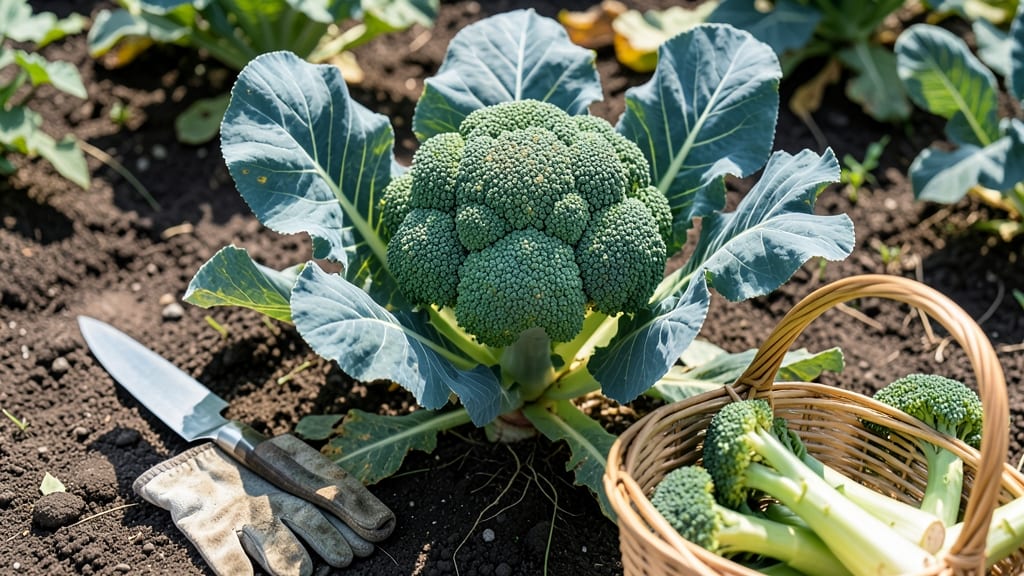
Harvesting broccoli at the right time means the difference between a crisp, flavorful side dish and a bitter, overgrown mess.
Picture this: you’ve nurtured your 🥦 plants for months, only to pick them too late and watch them bolt into bitter yellow florets. Or worse, you harvest too early and end up with tiny, underdeveloped heads.
The key is knowing the three simple tests that guarantee peak harvest time—before it’s too late.
Broccoli thrives in cooler weather, so timing matters. In Zone 6a, spring plantings are ready in May-June, while fall crops hit their prime in October-November. But don’t rely on the calendar alone—head size, stem firmness, and color are your real clues.
Below, I’ll walk you through the exact signs to watch for, plus how to extend your harvest season so you’re picking fresh broccoli for weeks. No guesswork, just crisp, perfect heads every time.

3 Key tests to determine perfect broccoli harvest time
Picking broccoli at the right moment ensures maximum flavor and texture—yet many gardeners struggle to identify the perfect harvest window. The difference between a crisp, sweet head and a bitter, woody mess often comes down to three simple tests I’ve used for years in my own garden.
These methods help avoid the most common mistakes, like harvesting too early (when florets are underdeveloped) or too late (when yellowing begins). Let’s break down each test with clear visual cues.
First, understand that broccoli plants often produce side shoots after the main head is harvested. Paying attention to these tests ensures you don’t miss the prime window for both the primary and secondary harvests.
The stem snap test, floret size check, and color assessment work together to give you a foolproof system. I’ll show you exactly what to look for in each case.
-
Stem Snap Test
Gently twist the main stem near the base. If it snaps cleanly with slight resistance, it’s ready. If it bends without breaking, wait 1-2 days. -
Floret Size Check
Look for tight, compact florets (1-2 inches wide). If they’re loose or starting to spread, harvest immediately to avoid bitterness. -
Color Cues
Healthy broccoli heads are deep green with no yellowing. Even a single yellow floret signals it’s past its prime.
The stem snap test is my go-to method because it reveals the plant’s internal readiness. When the stem breaks cleanly, it means the plant has allocated enough energy to the head, ensuring optimal flavor and texture.
I’ve found that broccoli heads often pass this test 2-3 days before they reach their ideal floret size, so don’t rush—patience pays off. For example, my Calabrese variety always snaps perfectly when the florets are about 1.5 inches wide.
Next, focus on the floret size. The ideal broccoli head should be 4-6 inches in diameter with tightly packed buds. If you see gaps between florets or they’re spreading outward, the head is overripe.
I once harvested a head that was 7 inches wide because I ignored this cue—it tasted woody and was nearly inedible. Always prioritize compactness over size when judging readiness.
Color is the final piece of the puzzle. A vibrant green head with no yellowing means your broccoli is at peak freshness. Even a single yellow floret indicates the plant is shifting energy to seed production, which makes the head bitter.
In my garden, I’ve noticed that fall-planted broccoli tends to yellow faster due to cooler temperatures, so I harvest these heads slightly earlier than spring varieties.
Here’s a common mistake I see: gardeners waiting until the broccoli head is too large because they assume bigger is better. But oversized heads often have hard, fibrous stems and loose florets. The key is to harvest when the head is fully formed but still tight.
For variety-specific guidance, De Cicco broccoli (a fast-maturing type) is ready in about 50 days, while Waltham 29 takes closer to 70 days—so adjust your timing accordingly.
For side shoots, repeat the same tests. These smaller heads often mature 3-4 weeks after the main harvest, so stay vigilant. I’ve had success harvesting side shoots for up to 6 weeks after the primary head, but their flavor diminishes over time.
If you notice new shoots forming at the base, give them the same attention—they’re just as deserving of your harvest tests!
One final tip: Harvest in the morning when temperatures are cooler. This preserves crispness and makes the stems easier to snap. I’ve also found that using a sharp knife or pruners (cutting 6 inches above the base) encourages larger side shoots.
Avoid pulling the head—this can damage the plant and reduce future yields.
Mastering these three tests will transform your broccoli harvests from hit-or-miss to consistently delicious. The next time you’re debating whether to pick that head, take a moment to perform the snap, size, and color checks. Your taste buds will thank you! 🥦
How long does broccoli take to mature after planting?
Broccoli’s harvest time depends on your variety and planting season. Most varieties take 50 to 90 days from transplanting to harvest, with 70 days being the sweet spot for peak flavor. Cool weather speeds up growth, while hot temperatures can slow it down—so timing matters!
Spring-planted broccoli typically matures in 60 to 80 days, while fall crops may take 70 to 90 days due to shorter daylight. Soil temperatures below 50°F can delay growth, so start seeds indoors or use row covers for faster results.
| Stage | Days to Maturity | Notes |
|---|---|---|
| Germination | 5–10 days | Keep soil warm (60–70°F) |
| Seedling | 2–3 weeks | Thin to 12–18 inches apart |
| Head Formation | 4–6 weeks | Needs consistent moisture |
| Harvest Ready | 50–90 days | Pick before yellowing starts |
Fast-maturing varieties like ‘De Cicco’ (50–60 days) are perfect for spring harvests in cooler climates, while slower varieties like ‘Waltham 29’ (80–90 days) thrive in fall plantings for late-season crops. Choose based on your last frost date—aim for harvest before hot weather sets in.
Adjust your planting schedule by checking your USDA zone. In Zone 5, spring broccoli should be in by March 15, while fall plantings go in by August 1. Use a planting calendar to sync your harvest with peak flavor windows.
For extended harvests, succession plant every 2–3 weeks in spring or fall. This ensures a steady supply while avoiding the bitter taste that comes from overripe heads. Side-dress with compost mid-season to boost growth.
Watch for bolting (premature flowering) in hot weather—it speeds up maturity but reduces head size. If this happens, harvest smaller heads immediately or use shade cloth to protect plants.