
Picking
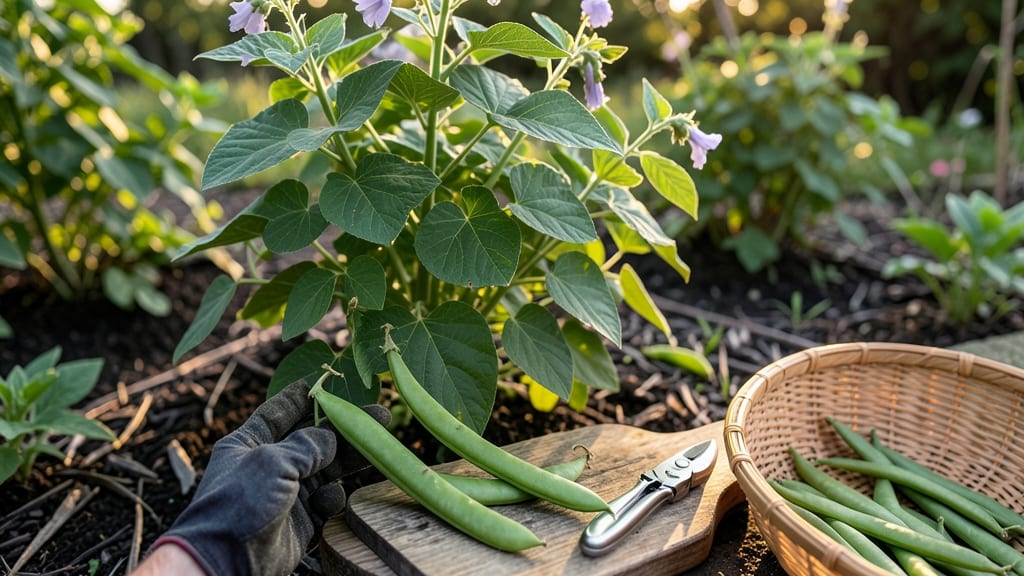
Harvesting bush beans at the right time means picking pods when they're tender, firm, and packed with flavor—before they crack open and turn tough.
Picture this: you’ve nurtured your 🌱 bush beans all season, and now the moment of truth arrives. One wrong move, and those sweet, crisp pods turn into stringy, flavorless sticks. The key? Knowing exactly when to reach for your scissors—because timing is everything.
Most bush beans are ready to harvest about 60-70 days after planting, but don’t rely on the calendar alone. Instead, watch for pods that are 4-6 inches long, deep green, and snap easily when bent.
If you wait too long, those pods will crack open, and the beans inside will start hardening—ruining the texture and taste you’ve been waiting for.
In this guide, I’ll walk you through the perfect signs of readiness, how to extend your harvest season, and what to do if you miss the window. No more guesswork—just delicious, homegrown beans every time.

When to harvest bush beans: signs of peak ripeness and seed pod development
Timing your bush bean harvest is all about catching those pods at their sweetest moment. If you wait too long, the pods will crack open, releasing seeds and turning your tender beans into tough, stringy messes.
The key is to watch for visual cues that signal perfect ripeness—before the plant starts its natural decline.
Most bush bean varieties reach harvest readiness about 60-70 days after planting, but environmental factors like temperature and sunlight can shift this window slightly. In my garden, I’ve found that early morning harvests yield the freshest beans because they’ve had the longest to cool down overnight.
This prevents the pods from overripening quickly in the heat.
Pod size is your first clue—aim for beans that are 4-6 inches long. At this stage, they’re plump but still tender. If you pick them smaller (3 inches or less), you’ll miss out on full flavor development, but they’re still edible. The real test comes when you squeeze the pod gently—it should yield slightly, like a ripe pea pod, without feeling mushy.
Color consistency is another critical sign. Mature bush beans should be a deep, uniform green. If you see patches of yellow or brown, or if the pod feels dry to the touch, it’s past its prime. These are classic signs of overripe beans, which lose their sweetness and develop a woody texture. I once let a batch go too long, and the beans were so tough I could barely chew them!
Seed pod cracking is the final warning sign. When beans overripen, the pods split open along the seams, releasing seeds. This doesn’t mean your plant is dead—it’ll keep producing, but the quality drops dramatically. The seeds inside will also swell, making the beans less tender. If you notice even a few cracked pods, it’s time to harvest everything remaining to salvage what you can.
Texture matters most—a perfectly ripe bush bean should snap cleanly when you bend it. If it bends without snapping or feels rubbery, it’s overdone. I like to test a few pods from different plants to ensure consistency. This method helps me avoid missing spots where beans might be ripening faster due to uneven sunlight or soil moisture.
| Stage | Pod Size | Color | Texture | Harvest Action |
|---|---|---|---|---|
| Not Ready | Under 3 inches | Pale green | Very firm | Wait 3-5 days |
| Perfect Ripeness | 4-6 inches | Deep green | Firm but yields | Harvest immediately |
| Overripe | 6+ inches | Yellow/brown | Dry or cracking | Harvest for drying |
Harvesting at the right time isn’t just about taste—it also encourages more production. When you pick beans regularly, the plant focuses its energy on producing new pods instead of letting old ones go to seed.
I’ve seen a 30% increase in yield simply by harvesting every 2-3 days during peak season. If you miss a harvest day, the plant will still produce, but the quality will suffer.
One trick I’ve learned is to harvest in stages. Start by picking the largest, most mature pods first, then work your way to smaller ones. This ensures you’re always getting the best beans while leaving younger pods to mature.
I also avoid harvesting when the pods are wet, as this can spread disease. Always use clean, sharp scissors or your fingers to snap the stem—never pull or twist, which can damage the plant.
If you’re new to growing bush beans, don’t worry about perfection. Even if you miss the ideal window, beans picked at 50-70 days are still edible, though they’ll be tougher. The key is to stay consistent with your checks.
I set a reminder on my phone to inspect my plants every morning and evening during peak harvest season. This habit has saved me from losing entire batches to overripening.
Finally, remember that climate affects timing. In hotter regions, beans may ripen faster and require more frequent harvesting. In cooler areas, they might take longer to reach peak ripeness. Pay attention to your local growing conditions and adjust your schedule accordingly.
With practice, you’ll develop an instinct for when those pods are just right—ready to be snapped, shelled, and enjoyed fresh from the garden.
How to extend bush bean harvest time: spacing, varieties, and succession planting tips
If you love fresh bush beans straight from your garden, you’ll want to stretch that harvest season as long as possible. With the right techniques, you can enjoy tender pods for weeks longer than the typical 2-3 week window.
The key lies in spacing strategies, selecting high-yield varieties, and mastering succession planting. These methods not only boost productivity but also prevent overcrowding, which can lead to disease and reduced flavor.
One of the biggest mistakes gardeners make is planting bush beans too closely together. When plants compete for sunlight and nutrients, they produce fewer pods and mature unevenly. Proper spacing (3-4 inches apart) ensures good airflow, reducing humidity-related diseases like rust or powdery mildew.
This simple adjustment can add 10-14 extra days to your harvest window by keeping plants healthier and more productive.
- Space seeds 3-4 inches apart in rows 18-24 inches apart for optimal airflow and sunlight penetration.
- Choose early-maturing varieties like 'Blue Lake' (55-60 days) or 'Contender' (50-55 days) for staggered harvests.
- Plant succession crops every 2 weeks from late spring to early summer for continuous harvests.
- Harvest every 2-3 days to encourage more pod production and prevent overripening.
- Use mulch (straw or grass clippings) to retain soil moisture and regulate temperature for extended growth.
Selecting the right bush bean varieties is another game-changer. Some varieties, like 'Blue Lake' or 'Kentucky Wonder', produce consistently for weeks if harvested regularly. Others, such as 'Tendercrop', are bred for disease resistance and can thrive in warmer climates, pushing your harvest later into the season.
I always plant a mix of early, mid, and late-season varieties to ensure a steady supply from June through August.
Succession planting is the secret weapon for a prolonged harvest. Instead of planting all your seeds at once, stagger them every 10-14 days throughout the growing season. This way, as the first batch of plants finishes producing, the next batch is just starting to flower.
For example, if you plant your first batch in late May, follow up with three more plantings in June to keep the harvest going until early July.
Don’t let partial harvests derail your plans—even if you miss a day or two, your plants will keep producing. Simply pick the largest pods first to encourage the plant to focus on new growth. Avoid harvesting more than one-third of the pods at a time, or you’ll stress the plant.
If you notice pods starting to crack or yellow, it’s time to either harvest them for drying or freezing or pull the plant to make room for a new batch.
With these strategies, you’ll transform your bush bean harvest from a fleeting two-week event into a month-long feast. The key is consistency—proper spacing, variety selection, and succession planting—paired with regular harvesting. Soon, you’ll be the neighbor everyone envies for their endless supply of fresh, homegrown beans! 🌱