
How To
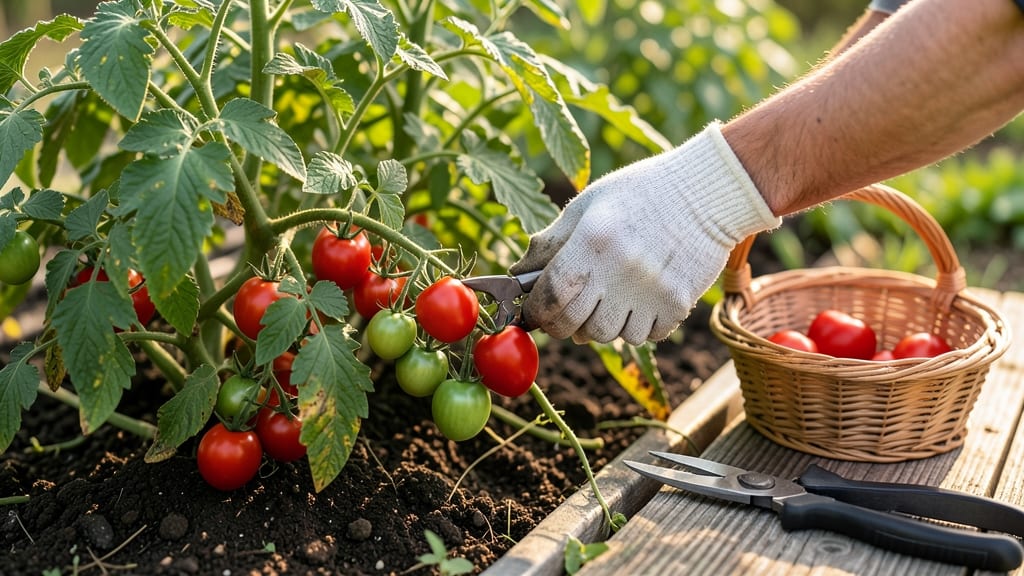
Harvesting cherry tomatoes at the right time means the difference between explosively sweet bites and mealy, bland fruit that falls off the vine.
Picture this: you’ve nurtured your 🍅 plants all season, and now the moment of truth arrives. One wrong move—picking too early or too late—and you lose flavor, size, and even yield. Yet many gardeners still guess when to harvest, missing the 60-to-80-day window when these little jewels hit peak perfection.
Timing isn’t just about days after transplanting—it’s about color, size, and even temperature. A deep red (or yellow/orange, depending on your variety) that yields slightly to gentle pressure? That’s your cue. Too pale or firm? Wait a few days. Too soft? You’ve already lost the flavor battle.
In this guide, I’ll break down the exact signs to watch for, how to test ripeness at home, and pro tips to stretch your harvest season. Whether you’re a first-time grower or a seasoned pro, these tricks will keep your cherry tomatoes tasting like summer for weeks longer.


When to harvest cherry tomatoes for peak sweetness and size
Nothing beats the flavor of a vine-ripened cherry tomato plucked at just the right moment. The difference between peak sweetness and bland, underripe fruit often comes down to timing.
Cherry tomatoes typically take 60-80 days to mature after transplanting, but color, size, and temperature all play critical roles in determining the perfect harvest window.
Most gardeners focus on color—deep red, yellow, or orange depending on the variety—but size and firmness are equally important. A 1-2 inch diameter is ideal for most cherry varieties, though some heirlooms may reach 2.5 inches before ripening fully.
Ignoring these cues can lead to fruit that’s either too tart or too soft, compromising both taste and texture.
🌱
Temperature plays a sneaky role in ripening—cool nights below 55°F can stall color development, while hot spells above 90°F accelerate ripening, sometimes causing fruit to overripen on the vine.
If your tomatoes are changing color but staying firm, they’re likely ready. However, if they’re soft or developing wrinkles, they’ve passed their prime.
For yellow or orange varieties, like 'Sun Gold' or 'Yellow Pear,' the rules are similar but watch for a golden hue rather than red. These varieties often ripen faster in heat, so check them every 2-3 days during peak summer.
A quick stem snap test works too—gently twist the fruit; if the stem snaps cleanly, it’s ready.
🍅
If you’re unsure whether a tomato is ripe, try the float test: Drop it in a bowl of water. Ripe tomatoes will float with the stem side up—a sign of ideal air pockets inside.
Unripe ones sink or float awkwardly. This trick works best for red varieties, but it’s a handy backup when colors are ambiguous in cloudy weather.
Harvesting at the right time isn’t just about taste—it also encourages more production. When you pick ripe tomatoes, the plant redirects energy to new flowers and fruit, extending your harvest season.
Plus, ripe tomatoes stored at 55-65°F (like a pantry or cool basement) can last 2-3 weeks, while unripe ones may never sweeten off the vine.
🌡️
For late-season harvests, focus on color and size first, then firmness. If a frost is forecast, pick all remaining fruit—even if slightly underripe—since they’ll continue ripening indoors in a paper bag with a banana (the ethylene gas speeds up the process).
Just avoid storing them in the fridge, as cold temperatures destroy their flavor.
Common mistakes that ruin cherry tomato flavor (and how to avoid them)
Cherry tomatoes are a gardener's reward for patience, but even the most eager harvesters can ruin their flavor with simple timing mistakes. The sweetness you crave develops fully only at the perfect ripeness stage, and missing it means bland, mealy fruit.
I’ve learned the hard way that overripe tomatoes turn mushy, while underripe ones stay tart and firm—neither is ideal for that burst of flavor.
Environmental factors like temperature swings or improper storage can also sabotage your harvest. For example, leaving tomatoes on the vine too long in hot weather turns them mealy, while cold storage speeds up spoilage.
Even the way you handle them post-harvest—like stacking or washing—can crush cells and release enzymes that dull flavor. Let’s fix these mistakes before your next harvest.
⚠️ Harvest Too Early or Late?
Underripe: Green stem end, pale color, firm but bland taste. Overripe: Soft skin, wrinkled surface, mealy texture. Perfect: Bright color, slight give when gently squeezed, stem snaps cleanly.
One of the biggest flaws I see is picking based on color alone. Sure, red or yellow is a clue, but cherry tomato varieties like 'Sweet 100' or 'Sun Gold' need that slight softness—not rock-hardness—to signal peak sweetness.
I now test ripeness by gently squeezing: if it yields like a ripe peach, it’s ready. Another trick? Check the stem end—it should turn yellow, not stay green.
Storage mistakes are equally damaging. Never refrigerate freshly picked cherry tomatoes—the cold converts starches into sugars, making them mealy and bland. Instead, store them at room temperature (around 60°F) in a paper bag to slow ripening. If you must refrigerate, do so only after they’ve fully ripened and use them within 3-5 days. For long-term storage, try freezing them whole or canning them.
Heat waves and temperature fluctuations can also throw off ripening. When daytime temps exceed 90°F, tomatoes stop developing sugars and turn sour. Shade cloth or afternoon shade can help, but even then, prioritize consistent watering (1-2 inches per week) to prevent stress.
I’ve found that morning harvests in the heat of summer preserve flavor better than afternoon picks, when the sun has already sapped some sweetness.
Finally, harvest frequency matters. Cherry tomatoes set fruit continuously, so pick them every 2-3 days to encourage more production. Leaving too many on the vine strains the plant, leading to smaller, less flavorful tomatoes.
Use pruning shears to snip stems cleanly—twisting can damage the plant and bruise the fruit. With these adjustments, your next harvest will be sweeter, juicier, and far more satisfying.