
Picking
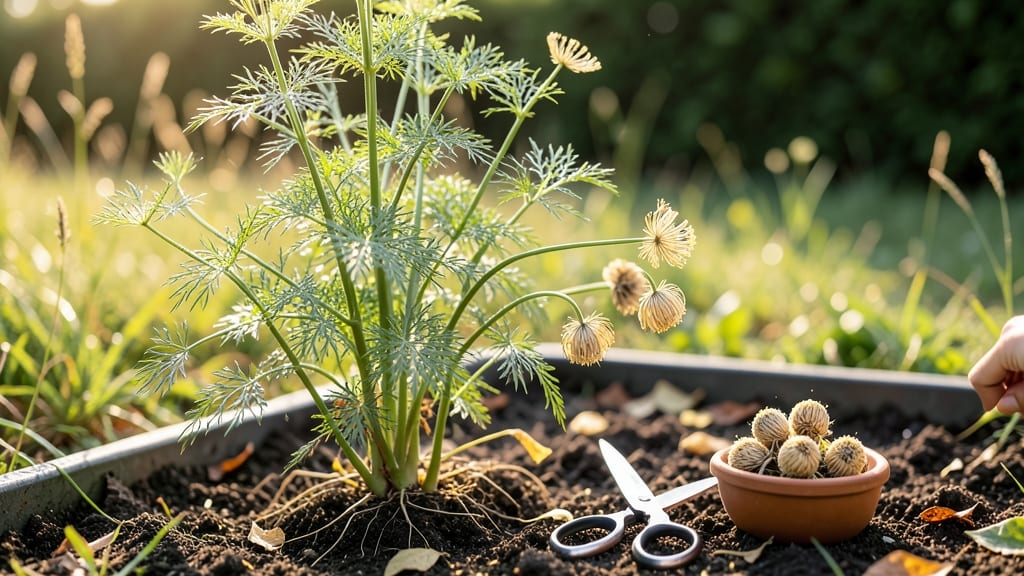
Harvesting dill at the right time keeps your garden producing fresh, flavorful leaves for weeks—before the stems turn bitter or woody.
Picture this: you’ve nurtured your 🌿 dill since spring, and now the question looms—when should you snip those fragrant leaves without killing the plant? The answer lies in the 3-4 week window between when the plant reaches 12-18 inches and just before it bolts.
Miss it, and your once-tender herb becomes a tough, flavorless relic.
For most gardeners in Zone 6, this means timing your cuts between June and September, when the plant is at its peak.
But here’s the secret: harvesting leaves before flower buds form doesn’t just preserve flavor—it encourages the plant to regrow, giving you a second (or even third) harvest. Skip this step, and you’ll be left with a single, bitter harvest.
In this guide, I’ll walk you through the exact visual cues to watch for—from lush, dark green leaves to the first signs of flowering—and share the cutting techniques that keep your dill thriving all season long.
No more wasted plants, just a steady supply of the freshest dill you’ve ever grown.

Optimal dill harvest time: stages for fresh leaves vs regrowth
Harvesting dill at the right time ensures you get the brightest flavor and encourage continuous regrowth.
The key is understanding the difference between harvesting for fresh leaves versus allowing the plant to mature for seeds. Young leaves pack the most flavor, while mature stems signal it's time to harvest for seeds or let the plant bolt.
For leaf harvests, aim to cut when your dill reaches 12-18 inches tall and has fully developed leaves. This typically happens around 60-70 days after planting, depending on your climate. If you wait too long, the leaves become bitter and woody, ruining their culinary potential.
Here’s how to maximize your harvest while keeping your dill plant productive:
| Harvest Stage | Plant Characteristics | Best For | Regrowth Potential |
|---|---|---|---|
| Early Leaf Harvest | 12-18" tall, lush green leaves, no flowers | Fresh leaves, soups, garnishes | High (encourages bushier growth) |
| Mid-Stem Harvest | 18-24" tall, firm stems, some leaf development | Bundles for drying, pest-repellent | Moderate (cut stems 3-4" above ground) |
| Seed Harvest | 30-40" tall, yellow flowers, brown seeds | Dill seeds for pickling, baking | Low (plant bolts and dies) |
When you harvest dill leaves, focus on the outer leaves first to avoid shocking the plant. For regrowth, cut stems about 3-4 inches above the soil to encourage new shoots. This method works best during the 3-4 week window after planting, when the plant is most resilient.
If you let your dill flower, it will produce seeds for next year, but the leaves will lose their flavor. For a continuous supply, harvest leaves every 2-3 weeks and avoid letting more than 20% of the plant flower. This balance keeps your dill productive all season.
In cool climates, dill grows slower, so you’ll have a longer window for leaf harvests. In warm climates, it bolts faster, so act quickly to harvest before the plant goes to seed.
Pay attention to the leaf color and scent—if they’re dull or weak, it’s time to harvest.
Pro tip: Use sharp scissors or pruning shears to cut stems cleanly. Avoid tearing leaves, as this can damage the plant and slow regrowth. Always harvest on a dry morning to preserve flavor and prevent mold.
For seed harvests, wait until the flowers turn yellow and the seeds brown. Cut the entire stem and hang it upside down in a dry, dark place to dry completely. Once dry, rub the seeds off the stems for pickling or baking—just don’t expect regrowth from the same plant.
By following these stages, you’ll enjoy fresh dill all season without sacrificing flavor or productivity. Happy harvesting! 🌿✂️
How to harvest dill without triggering bitterness or bolting
Harvesting dill at the wrong stage can turn your fresh herb into a bitter, woody disappointment. The key is timing—cutting too late triggers bolting (flowering), while harvesting too early means missing out on flavorful leaves.
I’ve learned that leaf harvesting and topping are two very different techniques, each with its own rules to keep your dill productive and delicious.
For leaf harvesting, focus on the outer leaves first. These are the most mature and flavorful, while leaving the inner growth to keep producing. This method works best when your dill reaches 12-18 inches tall—a clear sign it’s ready for your first harvest.
If you wait until the plant bolts, those once-tender leaves turn tough and bitter, ruining your pickles or soups.
⚠️ callout warning
Overmature dill (with woody stems and yellowing leaves) cannot be salvaged—it’s time to replant. If your dill starts bolting prematurely (flowering before 60 days), move it to a shadier spot and reduce watering to delay seed production. Once flowers appear, focus on seed harvest instead of leaves.
Topping is the secret to encouraging regrowth and preventing bolting. Snip the main stem just above a set of leaves when your dill hits 18-24 inches tall. This redirects energy to side shoots, giving you a bushier plant with more harvests.
I’ve found that topping every 3-4 weeks keeps my dill producing for 8-10 weeks—far longer than if I’d let it grow wild.
Watch for these overmature signs: stems turning brown or hollow, leaves curling inward, or a rank dill scent (not fresh). At this point, the plant is past its prime, but you can still harvest the seeds for pickling spices.
To salvage flavor, cut back woody stems entirely and let new growth sprout from the base—though it may take 2-3 weeks to recover.
Always use clean, sharp scissors to avoid crushing stems, which spreads disease. Harvest in the morning after dew dries but before the sun peaks—this preserves oil content and flavor.
Store harvested dill in a paper towel-lined container in the fridge for up to 10 days, or freeze leaves in ice cube trays for later use.
With the right technique, your dill will keep you in fresh herbs all season. Just remember: harvest leaves before flowers, top stems for regrowth, and act fast when you spot overmaturity. Your taste buds—and your pickles—will thank you! 🌿✂️