
Flowers
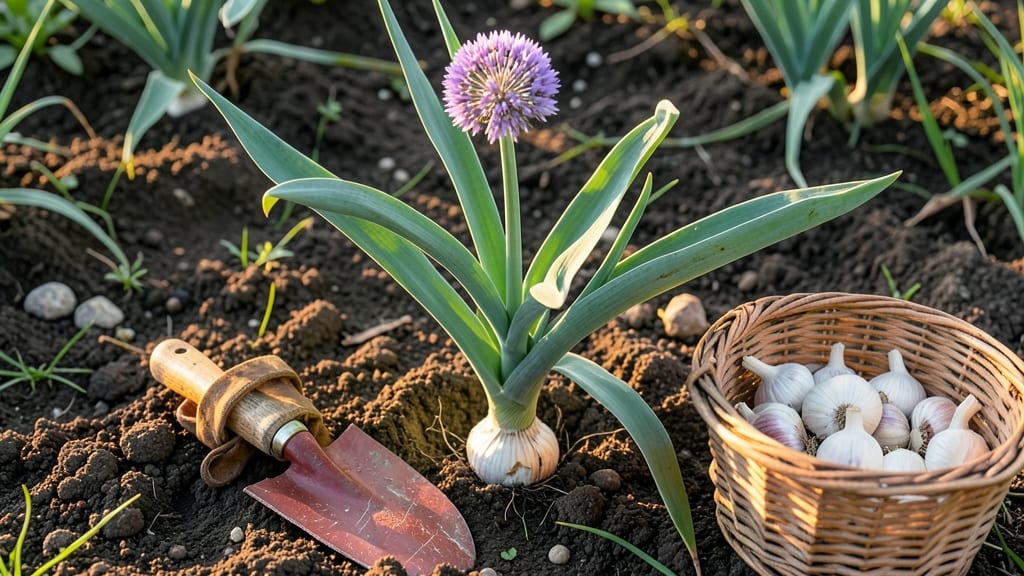
Harvesting garlic before or after it flowers determines whether you end up with plump, flavorful bulbs or small, pungent cloves 🧄—and the timing depends on the type you’re growing.
Picture this: you’ve nurtured your garlic all season, only to watch those iconic green flower stalks (scapes) shoot up. Should you yank them out to boost bulb size, or let the plant flower naturally?
The answer isn’t one-size-fits-all, and getting it wrong can mean the difference between a bountiful harvest and wasted effort.
Hardneck varieties, like Rocambole or Purple Stripe, thrive when you remove the scapes early to redirect energy to the bulbs. Softneck types, such as Artichoke or Silverskin, often handle flowering better and can even be harvested after the stalks appear—though flavor and size may suffer.
Climate also plays a role: cooler regions like USDA Zone 6a may need to adjust timing based on frost risks.
In this guide, I’ll break down the science behind garlic’s growth cycle, when to pull for maximum bulb size, and how flowering affects flavor and storage. You’ll also learn the three critical mistakes that ruin harvests—and how to avoid them.

Garlic harvest timing: when to pull for maximum bulb size
Garlic’s growth cycle follows a predictable pattern, but the ideal harvest window depends on whether you’re growing hardneck or softneck varieties. Most gardeners pull garlic before flowering—specifically when the lower leaves turn brown—but timing shifts slightly based on your climate and variety.
The key is balancing bulb development with the plant’s energy shift toward reproduction.
Flowering, or bolting, signals the plant’s final growth phase. For hardneck garlic, those iconic scape stalks emerge in late spring, redirecting energy from bulb growth to seed production. If left unchecked, this can shrink your harvest by up to 30%.
Meanwhile, softneck garlic rarely bolts, making leaf browning your sole indicator. Understanding these cues ensures you harvest at peak size.
Soil conditions also play a critical role. Well-draining soil with organic matter (like compost) speeds up bulb maturation, while heavy clay can delay it. In cooler climates (USDA Zone 6 or lower), garlic may take 270–300 days to reach harvest, while warmer zones (Zone 7+) can achieve readiness in as few as 240 days. Adjust your timing accordingly.
Here’s the golden rule: Harvest garlic when 50–60% of the lower leaves have turned brown and crispy. At this stage, the bulbs are fully developed but haven’t yet diverted energy to the scape.
Gently squeeze a bulb—if it feels firm and dry, it’s ready. If it’s still soft or the leaves are fully green, wait another 1–2 weeks.
Visual cues are your best friend. Look for these signs:
- Lower leaves turning straw-colored and drying
- Paper skins around cloves becoming tight and papery
- Scape stalks (in hardnecks) beginning to sprout but not yet flowering
| Stage | Harvest Decision | Bulb Condition | Action |
|---|---|---|---|
| Pre-Flowering (Hardneck) | Before scapes emerge | Firm, tight skins | Harvest for maximum size |
| Post-Flowering (Hardneck) | After scapes bloom | Smaller, pungent bulbs | Harvest only if leaves are 70% brown |
| Softneck Varieties | No flowering stage | Firm, dry skins | Harvest when lower leaves brown |
| Overmature Garlic | Leaves fully brown | Split bulbs, poor storage | Avoid; harvest too late |
If you’re growing hardneck garlic, you have a choice: harvest before the scapes emerge or let them grow for scapes (young shoots used like green onions). Scapes are delicious but reduce bulb size by 15–20%.
For most gardeners, removing scapes early ensures larger bulbs. Use clean scissors to snip them just above the bulb to avoid damaging the plant.
Regional climate matters too. In cooler zones (Zone 5 or lower), garlic often matures later, so wait until late July or early August to harvest. In warmer zones (Zone 8+), it may be ready as early as June.
Always prioritize leaf color over calendar dates—your garlic’s cues are more reliable than a generic timeline.
After pulling, cure your garlic properly to preserve quality. Lay bulbs in a shady, well-ventilated spot (like a garage or mesh bag) for 2–3 weeks. Avoid direct sunlight, which can cause sunburn on the skins.
Once fully cured, braid or store in a cool, dry place (50–60°F) for up to 6–12 months.
Timing your harvest correctly transforms good garlic into exceptional garlic. Pay attention to leaf color, soil conditions, and variety traits, and you’ll consistently enjoy large, flavorful bulbs year after year. The effort is minimal, but the payoff—both in yield and taste—is enormous.
Flowering vs. non-flowering garlic: how it affects flavor and storage
Understanding whether to harvest garlic before or after flowering depends entirely on the variety you're growing. Hardneck garlic (like Rocambole or Purple Stripe) produces flower scapes in late spring, while softneck garlic (such as Silverskin) rarely flowers at all. The key difference?
Flowering in hardnecks signals energy redirection—either toward bulbs or scapes. If you remove scapes early, you’ll boost bulb size, but if you let them flower, you’ll sacrifice some bulb growth for extra flavor compounds in the cloves.
For softneck garlic, flowering is uncommon, so focus on leaf browning (50-60% dry) as your harvest cue. These varieties store longer but develop milder flavors compared to hardnecks.
Meanwhile, hardnecks offer bold, complex flavors but store for only 5-6 months. The trade-off? Flavor intensity vs. shelf life—a decision every gardener must weigh based on their goals.
Harvest Garlic Before Flowering
Larger bulbs (energy focused on roots)
Longer storage life (especially softnecks)
Milder, sweeter flavor (ideal for roasting)
Missed scape harvest (edible but nutrient-rich)
Less intense flavor (fewer sulfur compounds)
Harvest Garlic After Flowering
More pungent, complex flavor (higher allicin)
Scape harvest bonus (use in pesto or stir-fries)
Smaller bulbs (energy split between flowers)
Shorter storage life (6-8 months max)
Risk of overmaturity (bulbs may split)
If you’re growing hardneck garlic and want the best of both worlds, try this trick: remove the scape when it’s 6-8 inches tall. This redirects energy to the bulb without letting it flower fully.
The result? Larger bulbs with a deeper flavor than non-flowering softnecks. For softneck varieties, flowering is rare, so prioritize early harvest (before any signs of bolting) to maximize storage potential.
Regional climate plays a role too. In cooler zones (USDA 5-7), garlic often flowers later, giving you more time to decide. In warmer zones (USDA 8+), bolting can happen quickly—so act fast to avoid overmature bulbs.
Pro tip: Test a few bulbs by gently squeezing them. If they feel firm and dry, they’re ready, even if no flowers have appeared.
Storage is where the real differences show. Softneck garlic (harvested pre-flowering) can last 9-12 months if cured properly, while hardneck garlic (even post-flowering) rarely exceeds 6 months. For long-term storage, opt for softnecks and harvest before any flowering.
If you love hardnecks for their bold, spicy kick, harvest after flowering and use them within 3-4 months.
My personal approach? I grow both varieties—softnecks for storage and hardnecks for flavor. I remove scapes early on hardnecks to balance bulb size and taste, then store them separately. The key is knowing your goals: bigger bulbs, longer storage, or maximum flavor.
There’s no single "right" answer, just trade-offs to make based on what you value most in your harvest. 🌱