
Vegetables
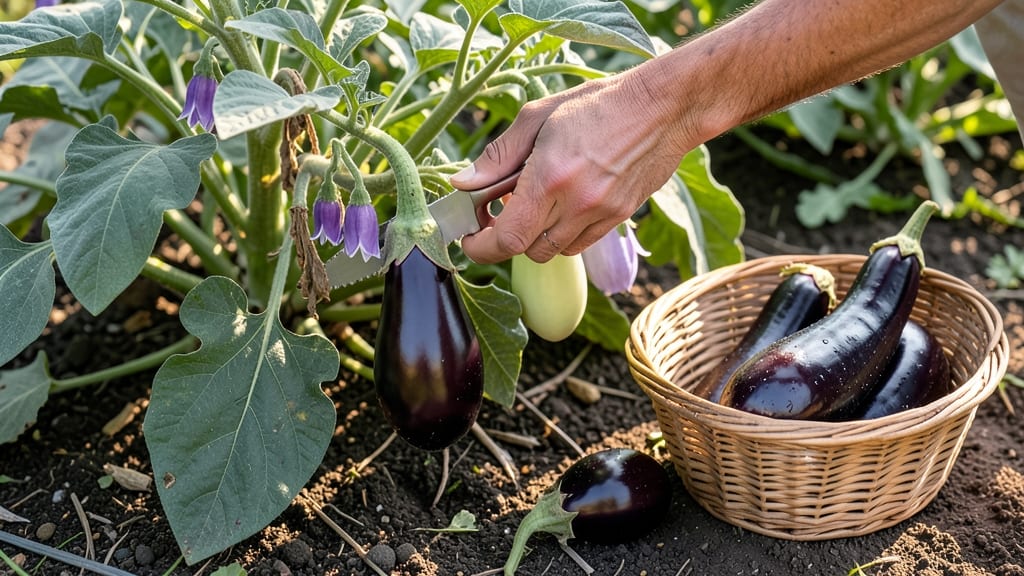
Harvesting eggplants at the right time ensures they’re packed with flavor and texture — the key to turning your garden’s 🍆 bounty into something truly delicious.
Picking too early means tough, bland fruit, while waiting too long risks spongy, bitter results. The difference between a great harvest and a disappointing one often comes down to knowing exactly when to pluck them from the vine.
Here’s how to tell when your eggplants are perfectly ripe: check for glossy skin, a firm yet yielding touch, and stems that snap cleanly. These simple tests will help you avoid the most common mistakes and maximize both yield and taste.
Whether you’re growing purple globes or slender Asian varieties, these tips will guide you through the ideal harvest window — from summer’s first ripe fruit to early fall’s last pick.
How to check eggplant ripeness using 3 simple tactile tests
Determining the perfect eggplant harvest time relies on more than just guessing—your fingers are your best tool. Unlike visual cues that can vary by variety, these tactile tests give you consistent, foolproof results.
I’ve used these same methods in my garden for years, and they’ve never failed to deliver flavorful, firm eggplants every time. The key is knowing what to feel for and how to interpret those signals.
Eggplants are deceptive: they can look ripe but still be tough, or appear underripe while hiding perfect flavor. That’s why I rely on three hands-on tests—skin firmness, stem separation, and weight assessment—to confirm ripeness.
These tests work for globe eggplants, Asian varieties, and heirlooms alike. Grab a few from your plant and let’s put them to the test right away.
Press your thumb gently into the eggplant skin. A ripe eggplant should feel firm yet slightly yielding—like a ripe avocado. If it springs back instantly, it’s underripe. If it leaves a dent, it’s overripe.
Grasp the fruit near the stem and give it a gentle twist. A ripe eggplant’s stem should separate cleanly with just a slight tug. If it resists, wait a few days. If it pulls away too easily, the fruit is past its prime.
Hold the eggplant in one hand—it should feel heavy for its size. This indicates high water content and full maturity. Lift two similar-sized eggplants; the heavier one is always the riper choice.
✅ Pro Tip: Combine all three tests for 100% accuracy. If two tests pass, harvest immediately!
I once harvested a batch of eggplants based solely on color, only to find they were woody and bland. The next harvest, I used these tactile tests—and the difference was night and day.
The skin firmness test alone saved me from wasting three overripe eggplants that had turned spongy. Always prioritize touch over sight when it comes to eggplant ripeness.
Another trick I’ve picked up from experienced gardeners is to harvest in the morning. Eggplants are cooler and firmer first thing, making the tactile tests even more reliable.
Avoid harvesting after rain or in extreme heat, as these conditions can distort the fruit’s texture and weight. Consistency in timing ensures your tests remain accurate every harvest season.
For Asian eggplants, which are typically smaller, the weight assessment becomes even more critical. Their thinner skin can fool you into thinking they’re ripe when they’re not.
I’ve learned to trust the weight over size—even if they’re only 3 inches long, they can be perfectly mature if they pass all three tests. Variety matters, so don’t assume one test fits all!
If you’re growing heirloom eggplants, pay extra attention to the stem separation test. Some heirloom varieties have thicker stems that require a firmer twist. I’ve had to adjust my grip slightly for Black Beauty types, which can feel deceptively sturdy.
When in doubt, wait an extra day—heirlooms are worth the patience for their superior flavor.
One common mistake I see is relying too heavily on color. While deep purple or glossy black skin is a good indicator, it’s not foolproof. I’ve seen green eggplants (like Ichiban) that were perfectly ripe but had uneven coloring.
That’s why the tactile tests are non-negotiable—they work regardless of variety or color.
To make the most of your harvest, I recommend testing 2-3 eggplants per plant every few days once they near maturity. This gives you a clear idea of the ripening progression and helps you time your harvest perfectly.
Keep a small notebook by your garden to track which tests worked best for your specific varieties—you’ll build a personalized guide over time.
Remember, the goal isn’t just to harvest eggplants—it’s to harvest flavor-packed, restaurant-quality eggplants. These tactile tests have become my secret weapon for achieving that every season. Once you master them, you’ll never second-guess your eggplant harvest time again. 🍆
When to harvest eggplants by variety: purple vs. green vs. Asian types
Not all eggplants ripen the same way—some stay purple, others turn green or white, and Asian varieties grow long and slender. Knowing your eggplant variety is key to harvesting at peak flavor and texture.
Purple globe types like Black Beauty are the most common, but heirlooms and Asian varieties need different cues. Let’s break down the harvest timing for each type so you never miss the sweet spot.
For purple globe eggplants, aim for a deep, glossy color and firm skin when they reach 6-8 inches long. These varieties often have thick, glossy skins that darken as they mature.
Asian eggplants, like Ichiban or Fairy Tale, stay slender and grow up to 12 inches long, ripening when their skin turns firm and their seeds remain tiny. Green or white heirlooms, like Rosa Bianca, may look different but follow similar ripeness rules.
Here’s a quick reference to help you identify the perfect harvest moment for each variety:
| Variety Type | Size at Harvest | Color Cues | Skin Texture | Days to Maturity |
|---|---|---|---|---|
| Purple Globe | 6-8 inches | Deep purple/black | Glossy, firm | 70-85 days |
| Asian Long | 8-12 inches | Purple, white, or green | Smooth, firm | 60-75 days |
| Green/White Heirloom | 5-7 inches | Vibrant green/white | Glossy, firm | 75-90 days |
One of the easiest ways to test ripeness is the stem twist test. Gently twist the eggplant at its stem—if it separates cleanly, it’s ready to pick. For Asian varieties, focus on length rather than color, as their skins may stay lighter even when ripe.
Always harvest in the morning when skins are coolest for the best flavor and texture.
Overlooking variety-specific cues can lead to missed harvests or bitter-tasting fruit. For example, Black Beauty eggplants can turn seedy and tough if left too long, while Fairy Tale Asian eggplants may crack if harvested too late.
Pay attention to both size and color, and don’t hesitate to taste-test a small slice if you’re unsure—ripe eggplants should be slightly sweet and tender.
Pro tip: Use a sharp knife or pruners to avoid damaging the plant, and leave a small stem attached to extend shelf life. Store harvested eggplants in a cool, dry place for up to a week, or refrigerate for longer storage.
With these variety-specific guidelines, you’ll never second-guess your eggplant harvest again!