
Vegetables
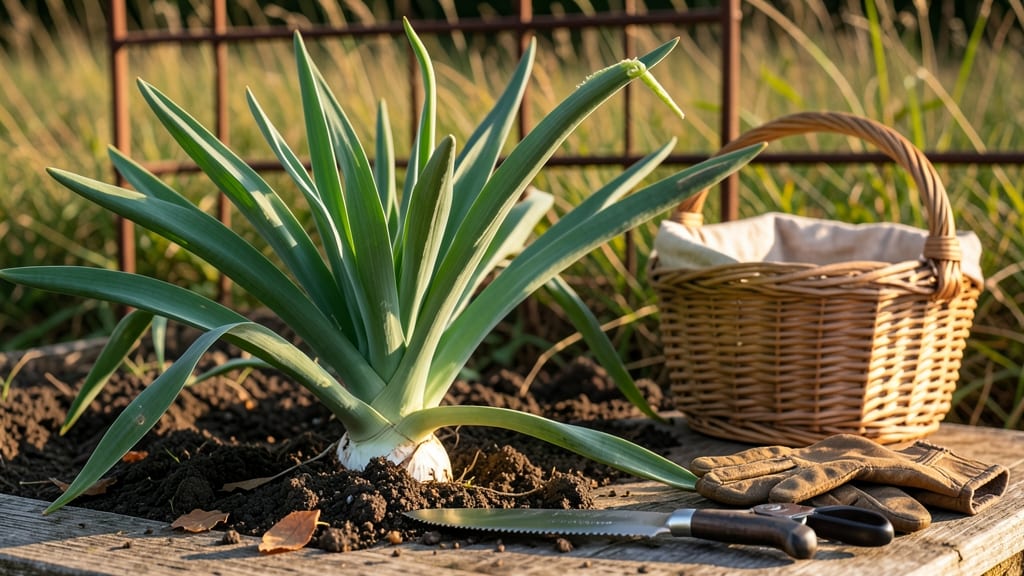
Harvesting garlic scapes at the right time is the key to maximizing flavor and ensuring your 🧄 garlic bulbs grow big and strong next season.
If you wait too long, those curly green stems turn bitter and the plant diverts energy away from the bulb below. Cut them too early, and you miss out on their mild, oniony punch—plus, you’ll end up with smaller harvests later.
In most regions, including USDA Zone 6a, the best window is late May to early June when scapes form a tight, 3- to 6-inch curl. But cooler climates may stretch this to early July, while warmer zones could see them ready as early as late May.
Below, I’ll walk you through the exact visual cues to watch for, how to cut them without harming the bulb, and what to do with your harvest—whether you’re pickling, sautéing, or freezing for later.
Optimal garlic scapes harvest time by growth stage & weather conditions
Harvesting garlic scapes at the right time ensures you get the best flavor while allowing your garlic bulbs to mature fully. The ideal harvest window typically falls between late May and early June in most USDA zones, but this varies based on your local climate and planting time.
Scapes that are harvested too early may not develop their signature onion-like sweetness, while waiting too long can reduce bulb size.
Your garlic's growth stage is the most reliable indicator of harvest readiness. Look for scapes that form a tight, curly loop measuring about 3-6 inches long. This curl signals the plant has redirected energy from bulb development to the scape, making it the perfect time to cut.
If you miss this window, the scapes may straighten out or flower, which weakens the bulb.
Weather conditions also play a critical role in determining the best harvest time. In cooler climates (USDA zones 3-5), scapes often mature earlier, sometimes as early as mid-May, while in warmer zones (7-10), they may not be ready until late June.
Always check your local frost dates, as late frosts can delay growth and shift your harvest timeline.
Regional growing zones significantly impact garlic scape maturity. For example, in USDA zone 6, where I garden, scapes typically curl by late May to early June. In zone 8 or higher, the harvest window might extend into July.
Pay attention to your plants rather than relying solely on calendar dates, as microclimates can create variations even within the same zone.
To identify the perfect cutting window, examine the scape's curvature and the plant's overall health. A ready-to-harvest scape should form a tight spiral that's about 3-6 inches long. If you gently bend the scape and it snaps easily, it's prime for harvesting.
Avoid cutting scapes that are still straight or only slightly curled, as they won't have developed their full flavor potential.
Your garlic plant will also show subtle signs of readiness. Look for lower leaves beginning to brown while the upper leaves remain green. This indicates the plant is redirecting energy from leaf growth to bulb development.
If you harvest at this stage, you'll get the best of both worlds: flavorful scapes and healthy bulbs for next year.
Weather patterns can dramatically affect your harvest timing. In cooler, wetter climates, scapes may mature more slowly, so monitor plants closely for the 3-6 inch curl. In dry or hot regions, scapes might mature faster, so check them weekly once they begin curling.
Always harvest on a dry, sunny day to prevent disease and allow quick drying of the cut scapes.
One common mistake gardeners make is waiting too long to harvest scapes. If left uncut, scapes will eventually straighten out and flower, which diverts energy away from the bulb.
This can result in smaller, lower-quality garlic bulbs the following year. By harvesting at the right time, you ensure both a flavorful scape harvest and robust bulbs for future planting.
For gardeners in USDA zones 3-5, early harvests are crucial to avoid late spring frosts. If your area experiences unpredictable weather, consider harvesting scapes slightly earlier than the ideal window to protect your crop.
In warmer zones (7-10), you have a bit more flexibility, but don't delay beyond the 6-inch curl stage to maintain bulb quality.
Remember that every garden is unique, so always prioritize visual cues over calendar dates. The key is to harvest when scapes form their signature curl while the plant still has enough energy to develop healthy bulbs.
With practice, you'll develop an eye for the perfect moment to make your cut—ensuring both a delicious harvest and strong garlic plants for next season. ✂️🌱🧄
How to harvest garlic scapes without harming future bulbs
Harvesting garlic scapes at the right time ensures you get flavorful greens while preserving the garlic bulb for a future harvest. The key is timing—cut too early or too late, and you risk reducing bulb size or compromising next year's crop.
I’ve learned that patience and precision make all the difference in my garden.
First, identify when your scapes are ready by checking for a tight, curly loop measuring about 3-6 inches. This curl signals maturity and peak flavor. If you wait too long, the scape will harden and lose its delicate taste, while the bulb may not develop fully.
For me, this usually happens in late May to early June, depending on my climate zone.
⚠️ callout warning ⚠️
Cutting the scape too close to the bulb or using dull tools can damage the plant’s energy flow. Always leave 1-2 inches of stem above the bulb and use clean, sharp scissors or pruners. Avoid tearing the scape—this stresses the plant and weakens future bulb growth.
To harvest, grab a pair of sterilized pruners or sharp kitchen scissors and make a clean cut just above where the scape meets the main stem.
This leaves enough foliage for the bulb to continue photosynthesizing. I always disinfect my tools with rubbing alcohol first to prevent spreading disease between plants.
After cutting, don’t toss the scapes! They’re packed with flavor and can be used fresh in pesto, stir-fries, or salads. But for the bulb’s sake, avoid over-harvesting—removing too many scapes can starve the plant.
In my experience, harvesting 1-2 scapes per plant strikes the perfect balance between yield and bulb development.
Post-harvest care is just as important as the cut itself. Water the garlic plants deeply after harvesting to help them recover, and avoid fertilizing for at least 2-3 weeks. The remaining leaves will continue feeding the bulb until it matures.
I’ve found that mulching around the base with straw or compost helps retain moisture and protects the bulbs from extreme temperatures.
Keep an eye out for common mistakes like harvesting when the scapes are still straight or waiting until they’ve hardened. Both can lead to smaller bulbs. Also, avoid cutting scapes in hot afternoons—the plant is more stressed, and the cuts may take longer to heal.
Early morning is ideal for both harvesting and post-care tasks.