
Picking
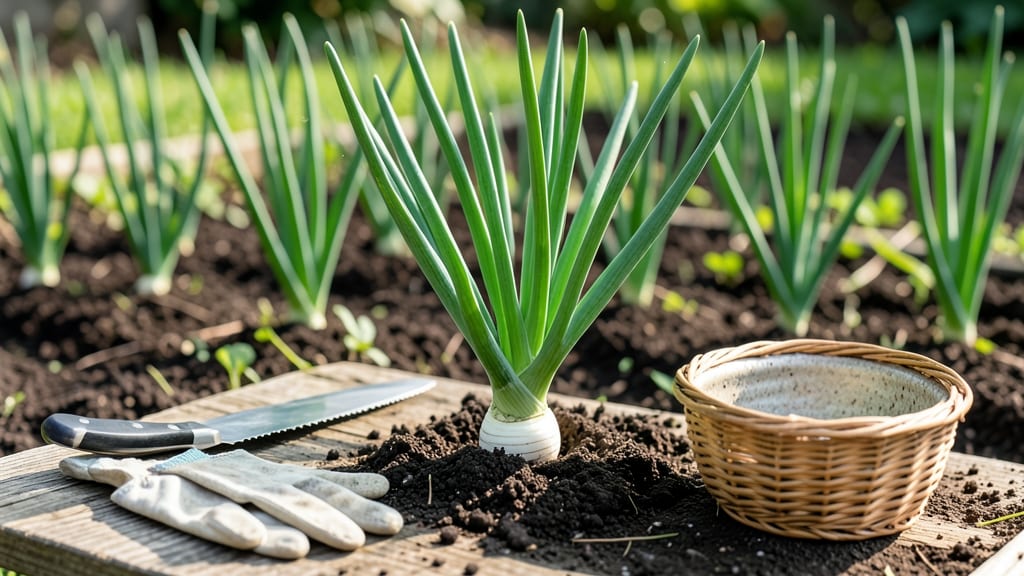
Harvesting green onions at the right time means the difference between mild, tender greens and bold, flavorful bulbs you’ll actually want to eat.
Picture this: you’ve nurtured your 🧅 green onions for weeks, and now they’re towering over your other plants. But do you pull them now—or risk waiting too long and losing the whole plant?
The secret lies in timing: harvest the feathers (greens) when they’re 6–8 inches tall for regrowth, or pull the entire plant when bulbs swell slightly at the base for full flavor. Get it wrong, and you’ll either end up with limp stems or miss out on multiple harvests.
Below, I’ll break down the exact visual cues, seasonal tips, and sustainable techniques to keep your green onions producing all season long—no wasted effort, just fresh flavor.


How to determine the ideal green onion harvest time for maximum flavor
Green onions are one of the most versatile vegetables in your garden, offering two distinct harvest stages: the feather stage (young leaves) and the bulb stage (fully developed base). Each stage delivers a unique flavor profile, and knowing when to harvest ensures you get the most from your plants.
The feather stage provides mild, tender greens perfect for salads, while the bulb stage delivers a stronger, more robust taste ideal for cooking.
Timing your harvest correctly isn’t just about flavor—it’s also about sustainability. Green onions are one of the few vegetables that can regrow after harvesting, allowing you to enjoy multiple harvests from a single planting.
However, pulling them too early or too late can stunt regrowth or even kill the plant. The key is recognizing the visual cues that signal peak harvest time for each stage.
For the feather stage, start harvesting when the green onions reach about 4-6 inches tall. At this point, the leaves are tender and packed with flavor, making them perfect for fresh use in salads, garnishes, or stir-fries.
The key is to cut the outer leaves, leaving the inner ones to continue growing. This method allows you to harvest the same plant multiple times throughout the growing season, extending your yield significantly.
When the leaves grow taller—typically 6-8 inches—and you notice a slight swelling at the base where the bulb forms, it’s time for the bulb stage harvest. This stage is ideal for recipes where you want a stronger onion flavor, like soups, stews, or sautéed dishes.
The bulb should be firm but not woody, and the roots should still be white and healthy. If you wait too long, the bulb may become tough or hollow, and the flavor will turn bitter.
Color is another critical indicator of harvest readiness. Healthy green onions should have bright green leaves and a crisp texture. If the leaves start to yellow or the plant looks leggy, it’s a sign that the plant is either over-mature or stressed.
Over-mature green onions lose their tenderness and develop a harsh, bitter taste that’s unpleasant to eat. Always harvest when the plant looks vigorous and healthy to ensure the best flavor and regrowth potential.
Seasonal timing also plays a role in determining the ideal harvest window. In spring plantings, green onions typically reach harvest size in 60-80 days, depending on your climate. For fall plantings, aim to harvest before the first frost, usually between September and October in most regions.
In warmer climates, you might even get a second harvest in late fall. Pay attention to your local frost dates and adjust your harvest schedule accordingly to avoid losing your crop.
One common mistake gardeners make is waiting until the entire plant is fully mature before harvesting. While this might seem like the best time for a large harvest, it often results in bitter, tough onions that are difficult to eat.
Instead, focus on consistent, smaller harvests to maintain plant health and flavor. By harvesting at the right stages, you’ll enjoy a steady supply of fresh, flavorful green onions all season long.
Pro tip: Use a pair of clean, sharp scissors or pruning shears to cut the green onions just above the soil line. This method minimizes damage to the plant and encourages faster regrowth. Avoid pulling the entire plant unless you’re ready to harvest it completely.
With the right timing and care, your green onion patch can provide a continuous harvest for months, making it one of the most rewarding vegetables to grow.
Step-by-step guide to harvesting green onions without killing regrowth
Harvesting green onions correctly is the secret to enjoying fresh, flavorful harvests for weeks—without sacrificing the plant. The key lies in choosing the right method: cutting for regrowth or pulling for final harvests.
I’ve learned that even a small mistake can stunt future growth, so let’s break it down step by step to ensure your green onions keep producing.
Before you begin, gather your tools. A sharp pair of scissors or a clean chef’s knife is ideal for cutting, while your hands work best for pulling. Avoid dull tools—they crush stems and invite disease.
If you’re harvesting for regrowth, aim to leave at least 2-3 inches of stem in the soil to encourage new shoots. This simple step can mean the difference between a few harvests and a bountiful season.
How to Harvest Green Onions for Regrowth
- 1 Wait for the right size: Harvest when plants reach 6-8 inches tall with bright green, firm leaves. This ensures the bulb is flavorful but not overmature.
- 2 Use clean tools: Snip leaves 1-2 inches above the soil with sharp scissors. Avoid pulling—this damages the root system and may kill the plant.
- 3 Leave stubble: Never cut all the way to the base. Leave 2-3 inches of stem to protect the growing point and encourage regrowth in 2-3 weeks.
- 4 Water immediately: After harvesting, water the soil to 1 inch deep. This replenishes moisture lost during cutting and supports rapid regrowth.
- 5 Fertilize lightly: Apply a balanced fertilizer (10-10-10) 1 week after cutting to replenish nutrients. Use half the recommended dose to avoid burning the regrowing plant.
For a final harvest, pull the entire plant when the bulb is 1-2 inches thick and the leaves start yellowing at the tips. This signals the plant is mature and won’t regrow.
If you’re growing green onions in containers, gently loosen the soil first to avoid breaking the roots. Pro tip: Harvest in the morning when temperatures are cool—this preserves flavor and crispness.
Post-harvest care is just as critical as the harvest itself. After cutting, space plants 2-3 inches apart to improve airflow and reduce disease risk. If your soil feels dry, water deeply to encourage root recovery.
I’ve found that mulching with straw or grass clippings helps retain moisture and keeps weeds at bay, giving your green onions the best chance to bounce back.
With these steps, you’ll enjoy multiple harvests per season from a single planting. Just remember: patience and precision pay off. A little care now means a steady supply of fresh green onions all season long—no store-bought substitutes needed!