
Vegetables
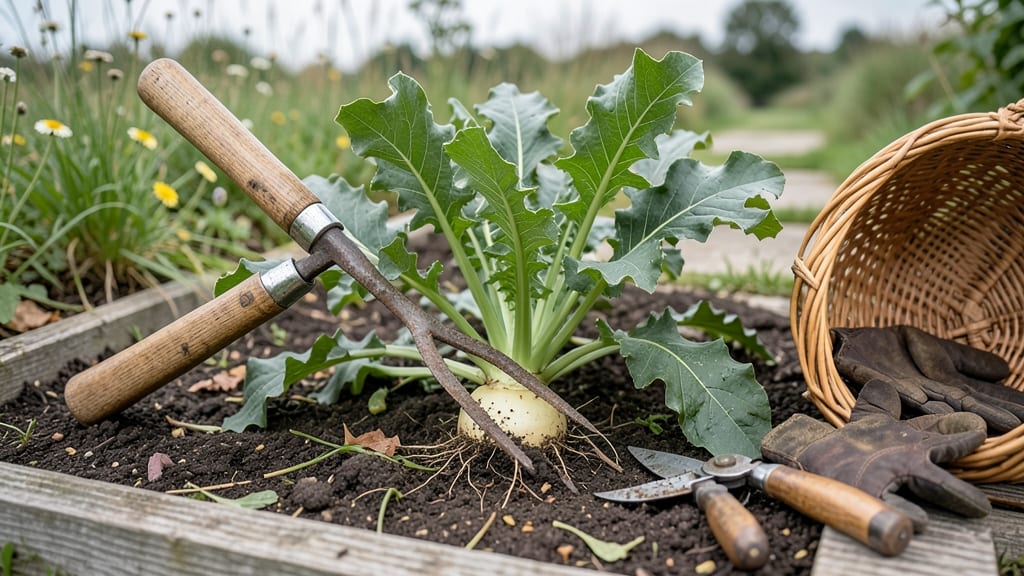
To harvest chicory root at its sweetest, aim for late fall when the leaves yellow and the soil cools below 60°F—this is when the roots pack their richest flavor.
If you’ve ever sipped chicory coffee and wondered how to grow your own sweet, earthy roots, timing your harvest correctly is the secret to unlocking maximum flavor—and avoiding bitter disappointment.
Chicory roots reach peak sweetness when they’re 2-3 inches thick and the foliage begins to wither naturally. Digging too early means small, fibrous roots, while waiting too long risks woody, less flavorful harvests.
Below, I’ll walk you through the exact steps to harvest, clean, and store your chicory roots so they stay fresh for months—plus common mistakes to skip for a perfect yield.

When to harvest chicory root for peak sweetness: the exact timeline
Timing your chicory root harvest is everything—dig too early, and you’ll get small, bitter roots. Wait too long, and they’ll turn woody and lose their signature sweetness. The key is watching for three critical signals: leaf color, root size, and soil temperature.
In my experience, chicory roots reach peak flavor when they’re 2-3 inches thick, the leaves yellow and wilt, and daytime temps drop below 60°F. This usually happens 120-150 days after planting, but your local climate can shift this window by weeks.
Chicory thrives in cooler weather, so fall and early winter are ideal harvest seasons in most USDA Zones 6-9.
I’ve found that in colder regions (like Zone 5), you might need to harvest by late October to avoid frost damage, while warmer zones (Zone 10+) can extend harvesting into December. Pay close attention to first frost dates—chicory roots can tolerate light frosts but won’t recover if frozen solid.
Here’s the golden rule: Never harvest chicory roots when the soil is still warm (above 65°F). High temperatures trigger bitterness, even if the roots look large. I once harvested a batch in late September when the soil was still 70°F, and the roots tasted harsh—lesson learned!
Test soil temps with a soil thermometer if you’re unsure. The perfect harvest window opens when nights stay cool, and days dip into the 50s°F.
To test for perfect sweetness before digging, I recommend the "thumb squeeze method". Gently squeeze a root—if it feels firm but yields slightly (like a ripe potato), it’s ready. Over-mature roots will feel hard and woody, while underripe ones will be soft and bendy.
Another trick? Cut a small slice and taste it. Sweet chicory roots should have a caramel-like flavor with minimal bitterness. If it tastes harsh, wait another week.
Seasonal variations play a huge role in harvest timing. In northern climates, chicory often bolts (goes to seed) by late summer, so focus on harvesting roots in early fall before the first frost.
In southern regions, you can extend harvesting into winter, but protect roots from hard freezes with straw mulch. I’ve successfully grown chicory in Zone 7b through December by covering beds with row fabric during cold snaps.
Common mistakes that ruin chicory harvests include digging when roots are still small (resulting in fibrous, bitter roots) or waiting too long (leading to woody, inedible roots). Another pitfall? Harvesting after a heatwave—chicory roots develop bitterness when stressed by high temps.
Always check weather forecasts and avoid harvesting during drought conditions or after heavy rains, which can dilute flavor and cause rot.
Pro tip: If you’re growing chicory for both roots and leaves, prioritize leaf harvests in spring (when leaves are tender) and save root harvest for fall.
I’ve found that harvesting a few outer leaves in early summer encourages the plant to focus energy on root growth, resulting in larger, sweeter roots later. Just avoid taking more than 1/3 of the leaves at once to prevent stressing the plant.
Once you’ve confirmed the perfect harvest window, act quickly. Chicory roots degrade fast after digging, so clean and store them immediately. I’ll cover the best post-harvest methods in the next section, but remember: never wash roots before storage—moisture speeds up spoilage.
Instead, brush off dirt and let them dry slightly before storing in a cool, dark place.
Patience and observation are your best tools when harvesting chicory roots. The 120-150 day rule is a great starting point, but always trust your senses—if the roots look right and the soil is cool, it’s time to dig.
With practice, you’ll develop an instinct for the perfect harvest moment, and your
Step-by-step chicory root harvesting and cleaning process
Harvesting chicory roots at the right time ensures maximum sweetness and minimizes bitterness. The key is waiting until the plant signals readiness—typically when leaves yellow and wilt and roots reach 2-3 inches in diameter.
This usually happens in late fall or early winter, when soil temperatures drop below 60°F. Avoid harvesting too early, or the roots will be fibrous and underdeveloped.
Before you begin, gather your tools: a sharp garden fork, gloves, a bucket of water, a clean knife or pruners, and a tarp or clean cloth. Work on a dry, sunny day to allow roots to dry slightly before cleaning.
Wet soil can make roots more prone to rot during storage, so timing your harvest with dry weather is ideal.
Prepare the Soil
Loosen the soil around the chicory plant with your garden fork, working gently to avoid piercing the roots. This helps minimize damage when you lift them. Focus on a 2-inch radius around each plant to create space for easy extraction.
Dig Carefully
Grasp the base of the plant and lift it straight up, using the fork to pry if needed. Avoid twisting or pulling—this can break delicate roots. Aim to remove the entire root system, including any smaller tuberous offshoots, for maximum yield.
Shake Off Soil
Gently tap or shake off excess soil from the roots. For stubborn dirt, use a soft brush or your hands to avoid scratching the skin. Never scrub aggressively, as this can create wounds that lead to spoilage during storage.
Trim the Foliage
Cut off the yellowed leaves and any remaining green growth, leaving a 1-inch stem. This reduces moisture loss and prevents the roots from drawing nutrients back into the foliage, which can make them bitter.
Rinse and Dry
Rinse the roots under cool water to remove any remaining dirt, then pat dry with a clean towel. Allow them to air-dry in a shady, well-ventilated area for 24 hours before storing. This step is critical to prevent mold.
Inspect and Store
Check for any damaged or soft spots and discard those immediately. Store the remaining roots in a paper bag or mesh sack in a cool, dark place (like a root cellar or basement) for up to 6 months. Avoid plastic bags to prevent moisture buildup.
One common mistake beginners make is harvesting chicory roots when the soil is too wet, which can lead to rot during storage. Always wait for a dry spell before digging, and avoid harvesting after a heavy rain.
Additionally, never store roots in the refrigerator, as the humidity levels can cause them to spoil faster than in a dry, cool environment.
For long-term storage, consider drying or fermenting the roots—both methods preserve flavor and extend shelf life. Drying is simplest: slice roots into 1/4-inch pieces, dry at 135°F for 4-6 hours, then store in an airtight container.
Fermenting (like making chicory coffee) involves soaking roots in water for 2-3 weeks before roasting.
With these steps, you’ll harvest sweet, high-quality chicory roots that rival store-bought—and enjoy the satisfaction of growing your own coffee substitute or salad ingredient. Happy digging! 🥔