
Vegetables
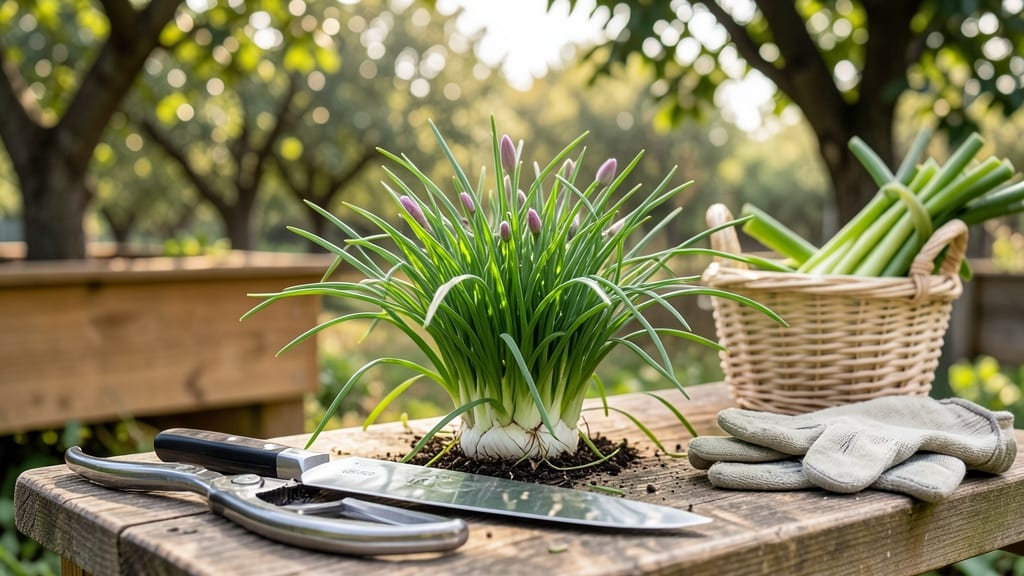
Harvesting garlic chives at the right time ensures their signature mild onion-garlic flavor stays vibrant and fresh in every dish.
These versatile greens—often overlooked but beloved in Asian cuisine—can turn bitter or woody if you wait too long. The secret lies in cutting them just before they flower, when the leaves are still tender and packed with flavor.
Whether you’re snipping for stir-fries, garnishes, or regrowing your patch, timing matters. Learn the exact window to harvest, how to do it without harming the plant, and creative ways to use your bounty beyond the kitchen.
From storage tips to reviving wilted stems, this guide covers everything you need to keep your garlic chives thriving all season long.

When to harvest garlic chives for maximum flavor and growth
Garlic chives are one of the easiest herbs to grow, but knowing when to harvest makes all the difference in flavor and plant health. These perennial chives regrow quickly, but cutting them at the wrong time can lead to bitter, woody stems or even flowering too soon.
The key is harvesting just as the leaves reach their peak flavor—before they get tough or bolt.
Timing your harvest correctly ensures you get fresh, tender greens while keeping your plants productive for months. Unlike annual herbs, garlic chives can be harvested multiple times per season, but you’ll need to follow a few simple rules.
Whether you’re growing them in containers or garden beds, understanding the seasonal windows will maximize your yield.
Here’s the exact timing and technique to harvest garlic chives for the best flavor and continuous growth:
- 🌱 Early Spring (March-April): First harvest after 4-6 inches of growth—leaves should be bright green and tender.
- ☀️ Late Spring/Early Summer (May-June): Harvest every 3-4 weeks when leaves reach 6-8 inches—cut 1/3 of the plant to encourage regrowth.
- 🌿 Summer (July-August): Reduce frequency to every 5-6 weeks—avoid cutting when flower stalks appear (bolting reduces flavor).
- 🍂 Fall (September-October): Final harvest before first frost—leaves should still be vibrant and non-woody.
- ❄️ Winter (November-February): No harvest—protect plants with mulch or row covers for regrowth in spring.
Your first harvest should happen in early spring, once the leaves grow to about 4-6 inches tall. This is when the flavor is at its peak, and the stems are still soft and sweet.
If you wait too long, the leaves will thicken and develop a bitter, onion-like taste that’s less desirable.
Throughout the growing season, aim to harvest garlic chives every 3-4 weeks in spring and early summer. This frequency keeps the plant compact and productive while preventing it from sending up flower stalks.
When you see those tall, purple flower stems emerging, it’s a sign your chives are bolting—cut them back immediately to redirect energy into leaf growth.
In summer heat, reduce your harvesting frequency to every 5-6 weeks. The stress of high temperatures can make the leaves tougher, and cutting too often will stunt regrowth.
Focus on maintaining consistent moisture and partial shade during peak afternoon sun to keep the flavor mild and the stems tender.
Fall is your last chance to harvest before winter dormancy. Cut back the foliage before the first frost, but leave about 2 inches of growth to protect the base. This small stub will insulate the crown and help the plant survive cold temperatures.
In USDA zones 5-8, you can even harvest lightly in late fall if the weather stays mild.
If you live in a warmer climate (zones 9-10), garlic chives may grow year-round with minimal dormancy. In these areas, you can harvest every 4-5 weeks throughout winter, as long as you protect the plants from freezing temperatures and provide bright indirect light if grown indoors.
One common mistake is harvesting garlic chives too close to the base. Always leave at least 2-3 inches of growth to ensure the plant can regenerate. If you cut too low, you risk damaging the crown and killing the plant.
For the best results, use clean, sharp scissors and make cuts at a 45-degree angle just above a leaf node.
With the right timing, your garlic chives can provide fresh greens for up to 5 years or more. The key is balancing harvest frequency, seasonal care, and plant health.
Follow these guidelines, and you’ll always have a steady supply of flavorful, aromatic chives ready for your kitchen or garden.
Step-by-step guide to harvesting garlic chives without killing the plant
Garlic chives are one of the most forgiving herbs to harvest, but even they need proper care to keep producing those flavorful, flat leaves you love.
The key is knowing when and how to cut without stressing the plant. With the right technique, you can enjoy continuous harvests all season long.
Start by identifying healthy, mature leaves—typically 6-12 inches tall with a bright green color. These are the perfect candidates for cutting, as they’ve reached peak flavor while still leaving enough energy for regrowth. Use this guide to master the art of harvesting without sacrificing future yields.
⚠️ WARNING: Over-Harvesting Risks
Cutting more than one-third of the foliage at once can shock your garlic chives, leading to stunted growth or even death. Always leave at least 3-4 healthy leaves per clump to ensure photosynthesis continues. In USDA zones 3-5, reduce harvests in late summer to prevent woody stems before winter.
Grab a pair of clean, sharp scissors or pruning shears—never tear leaves by hand. Cut the outer leaves first, about 1 inch above the base, to encourage new growth from the center. This method mimics natural pruning and keeps your chives looking neat while preserving their vigor.
For continuous harvests, aim to cut leaves every 2-4 weeks during the growing season (spring through fall). In warmer climates (zones 7-10), you can harvest year-round, while cooler zones (3-6) may need a break in winter. Always harvest in the morning after dew dries for the freshest flavor.
After cutting, rinse the leaves under cool water to remove dirt, then store them in a sealed container in the fridge for up to 1 week. For longer storage, dry or freeze them—just chop first to preserve texture.
Your chives will thank you with lush regrowth and a steady supply of aromatic greens all season.
Pro tip: If your chives start to bolt (send up flower stalks), cut them back aggressively to 2 inches tall. This redirects energy to leaf production rather than seed development, giving you a second chance at a harvest.