
How To
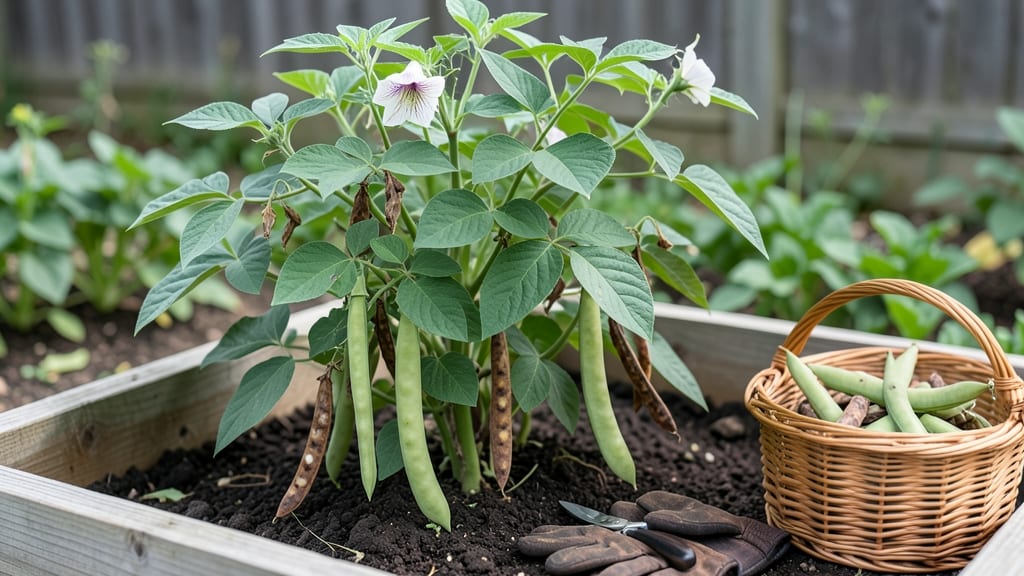
Harvesting pinto beans at the right time turns your garden into a flavor powerhouse—think tender, sweet pods packed with protein, not tough, dry shells.
Here’s the catch: those beans won’t wait forever. Miss the window, and you’re left with overripe pods that snap like twigs or shrivel on the vine. The secret? Watching for that color shift from green to yellow-brown while the seeds inside stay small and firm.
In Zone 6a, your best shot is between mid-July and September, but timing depends on your variety and when you planted. A 50- to 90-day maturity range means some pods ripen faster than others—so check weekly once the pods start swelling.
Below, I’ll walk you through the exact signs to look for, the best tools to use, and how to keep harvesting without stressing your plants. No more guessing, just perfectly timed beans every time.

When to harvest pinto beans: pod color changes & seed development stages
Harvesting pinto beans at the right time ensures you get the best flavor and texture. The key is watching for pod color changes and seed development.
Young pods start bright green but gradually shift to yellow or brown as they mature—this color transformation is your first clue it's time to check for readiness.
For optimal results, aim to harvest when pods are 2-3 inches long and still firm to the touch. This stage guarantees tender beans with the perfect balance of nutrition. Waiting too long can turn your harvest into tough, dry pods with oversized seeds that lose their culinary appeal.
Here’s how to tell when your pinto beans are ready to pick based on visual and physical cues:
| Development Stage | Pod Color | Pod Size | Seed Condition | Harvest Ready? |
|---|---|---|---|---|
| Early Maturity | Bright green | 1-1.5 inches | Small, soft seeds | Not yet |
| Optimal Harvest | Green turning light brown | 2-3 inches | Small, firm seeds | Yes! |
| Overripe | Dry, brown | 3+ inches | Large, hard seeds | No |
Use the snap test to confirm readiness: gently squeeze a pod. If it snaps crisply and feels firm, it’s time to harvest. A soft or mushy pod means you missed the window, while a pod that’s too hard indicates overmaturity.
This simple test saves you from guessing and ensures you pick beans at their peak.
Pay attention to the seed development inside the pod. At the perfect harvest stage, seeds should be small and soft, filling only about half the pod’s length.
If seeds are large and hard, the beans will be tough and less flavorful. This internal check is crucial for maintaining the quality of your harvest.
In my garden, I’ve found that harvesting pinto beans every 2-3 days during peak production keeps the plants focused on producing more pods. Regular harvesting also prevents overcrowding and reduces the risk of pests targeting stressed plants. Plus, frequent picking encourages continuous flowering and a longer harvest season.
Don’t ignore the leaves either. When they start to yellow and dry, it’s a sign the plant is redirecting energy to seed production. This is your last call to harvest before the plant’s life cycle winds down.
By then, most pods should already be ready, but a few stragglers might still be worth checking.
For those in warmer climates, pinto beans may mature faster, so stay vigilant. In cooler regions, the transition from green to brown pods can take longer. Adjust your harvesting schedule based on your local growing conditions to avoid missing the sweet spot between tender and tough.
Once you’ve mastered these signs, you’ll never again wonder when to harvest your pinto beans. The key is consistency—check your plants regularly, and you’ll enjoy a bountiful harvest of flavorful beans all season long. Happy gardening!
Pinto bean harvest timeline: days to maturity & seasonal adjustments
Understanding the harvest timeline for pinto beans is key to enjoying tender, flavorful beans straight from your garden. Most varieties reach maturity in 80–100 days after planting, but this window shifts based on your climate zone and planting schedule.
In warmer regions like USDA Zone 9, you might harvest as early as 65 days, while cooler zones like Zone 5 could extend to 110 days to avoid frost damage.
Your planting date directly impacts harvest timing. If you sow seeds in late spring (May–June), expect harvests in late summer to early fall. For a longer harvest season, try succession planting—stagger seeds every 2–3 weeks to enjoy fresh beans for months.
In northern climates, use row covers to extend the season by 2–3 weeks.
Common mistakes like harvesting too early (pods <1.5 inches) or too late (seeds bulging) ruin flavor and texture. Early harvests yield snap beans, while late harvests give dry beans for storage. For best results, aim for firm pods with small seeds—this sweet spot ensures both fresh eating and storage potential.
Adjust your timeline based on local frost dates. If your first frost is October 15, plant by June 15 to finish harvests before cold sets in. In frost-free zones, beans may continue producing until November, but yields slow as daylight shortens.
Always monitor pod color—light tan or brown signals readiness, while green pods need more time.
Extend your harvest by pruning older pods to redirect energy to new growth. Remove yellowing leaves and spent flowers regularly to keep plants productive. With these adjustments, you’ll enjoy a steady supply of pinto beans from midsummer well into fall—no overripe pods in sight! 🌾