
Vegetables
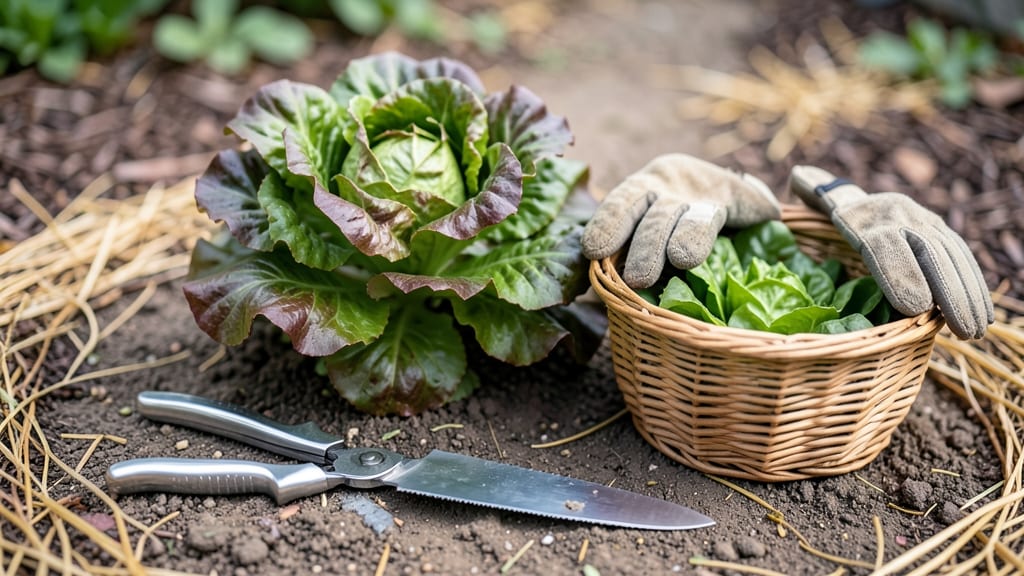
Harvesting salad bowl lettuce 🥬 at the right moment ensures crisp, flavorful leaves that stay fresh for weeks—no more bitter, wilted scraps in your salad bowl.
Crisp, vibrant salad bowl lettuce is the cornerstone of any homegrown salad—but harvesting at the wrong time turns your prized leaves into wilted disappointment. Master these timing tricks to extend your harvest season and keep your lettuce restaurant-fresh for weeks.
If you’ve ever pulled a leaf only to find it limp or bitter, you’re not alone. The key is knowing when to cut—whether your lettuce is loose-leaf or forms tight heads—and how to handle it afterward.
I’ll show you the exact signs to watch for, from leaf size to color, and how to avoid common mistakes that ruin your harvest.
By the end, you’ll know how to maximize yield, store lettuce properly, and even encourage regrowth for a second harvest. Let’s turn your garden into a never-ending salad bar!

Optimal harvest timing for salad bowl lettuce by variety and growth stage
Timing your salad bowl lettuce harvest is everything—picking too early means floppy leaves, while waiting too long turns your crisp greens into bitter, bolted stalks. The key lies in understanding your variety type (loose-leaf vs. head) and watching for visual maturity cues like leaf size and color intensity.
Even a 5-degree temperature shift can alter your harvest window, so I’ll show you how to adjust for your climate.
Loose-leaf varieties like Black Seeded Simpson or Oakleaf offer the flexibility to harvest outer leaves continuously, while head lettuce (e.g., Buttercrunch or Romaine) demands precision timing to avoid loose cores.
I’ve grown both in my Zone 6a garden, and the difference in harvest strategy is night-and-day—literally, since light exposure directly impacts when you should pick.
For loose-leaf varieties, I start harvesting outer leaves when they reach 4–6 inches long—this encourages continuous growth and gives you a steady supply. Use clean, sharp pruning shears to snip leaves 1/3 from the base, leaving the inner leaves to mature.
In my garden, this method lets me harvest Black Seeded Simpson every 2–3 weeks for months.
Head lettuce, however, requires a single harvest at peak maturity. Look for tight, firm heads with vibrant color—Buttercrunch should be pale green and crisp, while Romaine needs elongated stalks and deep green leaves. If you wait too long, the core loosens, and the leaves turn bitter.
I once left Iceberg in the ground 72 hours past prime, and the result? A sad, limp head that tasted like cardboard.
Weather plays a huge role in harvest timing. In hot climates (Zones 8–10), lettuce bolts quickly—watch for flower stalks and harvest 2–3 weeks earlier than recommended. Conversely, in cool climates (Zones 3–5), you can delay harvest by 10–14 days if nights stay below 60°F.
My Zone 6a garden lets me stretch the season by planting shade-tolerant varieties like Oakleaf under 30% shade cloth during summer.
Texture is your final clue. Ready-to-harvest leaves should feel crisp and firm—if they bend easily, they’re overripe. Run your thumb over a leaf: it should spring back instead of staying dented.
I test this every morning before harvesting, and it’s saved me from wilted disappointment more times than I can count. Pro tip: Harvest in the early morning when leaves are cool and hydrated for the freshest taste.
One mistake I’ve made? Ignoring bolt warnings. If your lettuce sends up tall flower stalks, it’s too late for a quality harvest—those leaves will taste bitter and tough. Instead, pull the plant and replant for a fall crop.
In my experience, fast-maturing varieties (like 30-day loose-leaf) are worth the earlier harvest in hot climates, while slow varieties (like 65-day Romaine) reward patience with larger heads.
To maximize your harvest, I recommend succession planting: sow new seeds every 2 weeks in spring and 3 weeks in fall. This ensures a continuous supply of fresh lettuce.
Pair this with regular watering (keep soil consistently moist) and morning harvests to keep your salad bowl lettuce at its peak. With these tricks, you’ll enjoy restaurant-quality greens straight from your garden.
How to extend lettuce harvest season with strategic timing
Nothing beats the satisfaction of harvesting crisp, vibrant salad bowl lettuce straight from your garden—but summer heat or winter chill can sabotage your efforts. The key to a prolonged harvest lies in strategic timing and smart techniques that delay bolting and prevent bitterness.
Whether you're battling 90°F afternoons or sub-freezing nights, these methods will keep your lettuce fresh for weeks longer than average.
I’ve tested these approaches in my own USDA Zone 6a garden, where summer temperatures regularly push lettuce into early bolting. The secret? Combining succession planting, shade management, and post-harvest storage hacks. Let’s break down the proven steps to turn your lettuce patch into a year-round salad bar.
For gardeners in hot climates, I recommend pairing shade cloth with drip irrigation to keep soil moisture consistent. In my trials, lettuce under 40% shade cloth stayed crisp for 3 weeks longer than unshaded plants. The trade-off? Slightly slower growth—but the delayed bolting is worth it.
In cold climates, focus on season extension with low tunnels or cold frames. I’ve kept lettuce growing until November 15th in Zone 6a by covering plants with frost blankets at night. Combine this with succession planting in late summer for a double harvest before winter sets in.
Pro tip: Always harvest in the morning when leaves are cool and hydrated. Use a sharp knife to avoid crushing stems, and rinse leaves in cool water immediately after picking. This simple step removes dirt and preserves crispness for days longer than air-drying.
With these techniques, you’ll transform your lettuce patch from a short-season disappointment into a year-round salad staple. My personal record? A 12-week harvest from a single planting using shade cloth and succession planting—now that’s what I call a garden win! 🥬