
Picking
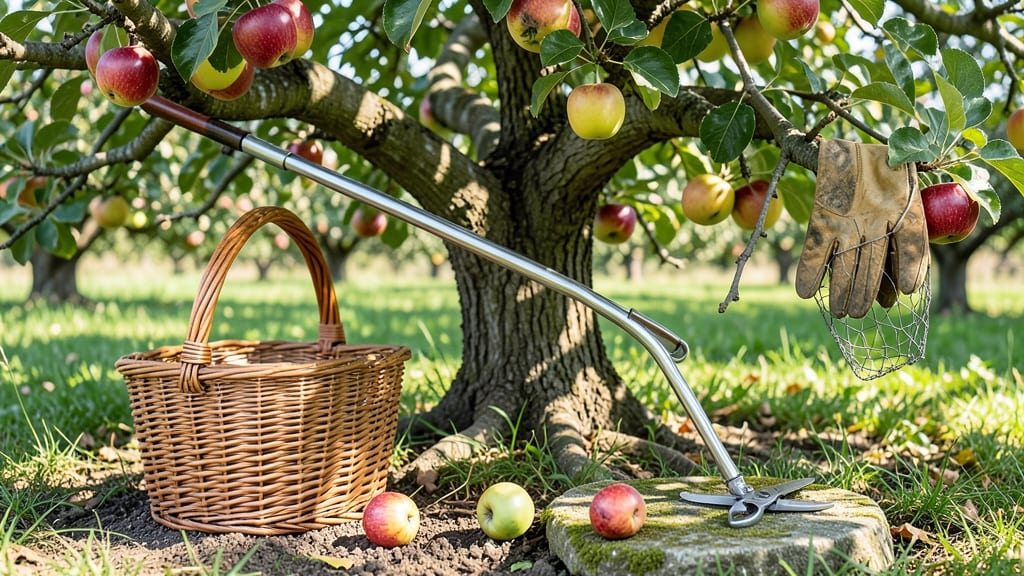
The time to harvest apples arrives when their color deepens, blushes brighten, and stems twist free with a gentle tug—marking the difference between a juicy, flavor-packed bite and a mealy disappointment.
Picture this: you’ve waited months for your 🍎 to ripen, only to pick them too soon and end up with apples that taste bland or store poorly.
Or worse, you wait too long, and they turn mushy in your basket. The secret isn’t just watching the calendar—it’s reading the fruit itself.
In this guide, I’ll break down how to spot the perfect moment for harvest by variety, from Granny Smiths to Honeycrisp, and how climate zones shift those timelines. You’ll also learn the one simple test that tells you an apple is ready—no guesswork involved.
By the end, you’ll know exactly when to harvest for peak flavor, how to store your crop for months, and the three mistakes that ruin even the best-intentioned harvests. Let’s get those apples off the tree at their prime!

How to determine apple ripeness by color, blush, and stem twist
Picking apples at the perfect moment means the difference between bursting sweetness and mealy disappointment. While some gardeners rely on calendar dates, the real magic happens when you master visual ripeness cues—color, blush, and the famous stem twist.
Each apple variety has unique signals, so let’s break down what to look for in your orchard or backyard tree.
Color is your first clue, but it’s not as simple as "red means ripe." Granny Smith apples stay green until fully mature, while Fuji varieties develop a deep crimson blush.
The intensity of the skin color and blush pattern varies wildly—some apples need full color development, while others ripen best when they’re still slightly underripe for storage. Let’s explore how to read these signals correctly.
🌱
| Variety | Mature Color | Blush Intensity | Stem Twist Test | Harvest Time |
|---|---|---|---|---|
| Granny Smith | Deep green | None | Twists easily | Late September |
| Fuji | Red-yellow | Deep crimson | Twists with slight resistance | October |
| Honeycrisp | Red-yellow | Light pink-red | Twists cleanly | Late September |
| Gala | Orange-red | Striped blush | Twists easily | Early September |
| McIntosh | Red-green | Faint red | Twists with slight tug | Mid-September |
| Jonagold | Red-yellow | Deep red | Twists cleanly | October |
| Pink Lady | Red | Bright pink | Twists easily | Late September |
| Golden Delicious | Yellow | None | Twists with slight resistance | September |
| Ambrosia | Red-yellow | Light red | Twists easily | Late September |
Best apple harvest times by variety and climate zoneKnowing the perfect moment to harvest apples depends on both variety and your USDA climate zone. Early varieties like McIntosh ripen as early as August in cooler zones, while late varieties such as Fuji may not reach peak ripeness until October or November. Your local climate—whether warm or cool—can shift these windows by weeks, so pay close attention to frost dates and temperature trends. In USDA zones 3-5, where frosts arrive earlier, focus on harvesting early and mid-season varieties before the first frost. Zones 6-10, with milder winters, allow later varieties to ripen fully. For example, Honeycrisp in zone 7 might be ready by mid-September, while the same variety in zone 4 could be harvested by late August to avoid frost damage. 🍎 Key Apple Harvest Timing by Variety & Zone
Adjust your harvest schedule based on local weather patterns. For instance, if your area experiences unseasonably warm early fall, late varieties like Fuji may ripen faster. Conversely, a cool summer could delay ripening, so monitor apples closely. Use a harvest calendar to track varieties and their ideal windows. In warmer climates (zones 9-10), some late varieties may not fully ripen until November or December. If frost isn’t a concern, let apples stay on the tree until they reach peak flavor. However, avoid harvesting in wet conditions, as moisture can promote rot during storage. Pro tip: Test apples for ripeness by giving the stem a gentle twist. If it separates easily, it’s ready. For storage varieties, aim to harvest when apples are 80-90% ripe—they’ll continue ripening off the tree. Always use clean, sharp pruners or harvest baskets to avoid bruising. By aligning your harvest with variety maturity and climate zone, you’ll enjoy apples at their peak flavor and extend their shelf life for months. Happy harvesting! 🍏🌳 |