
Vegetables
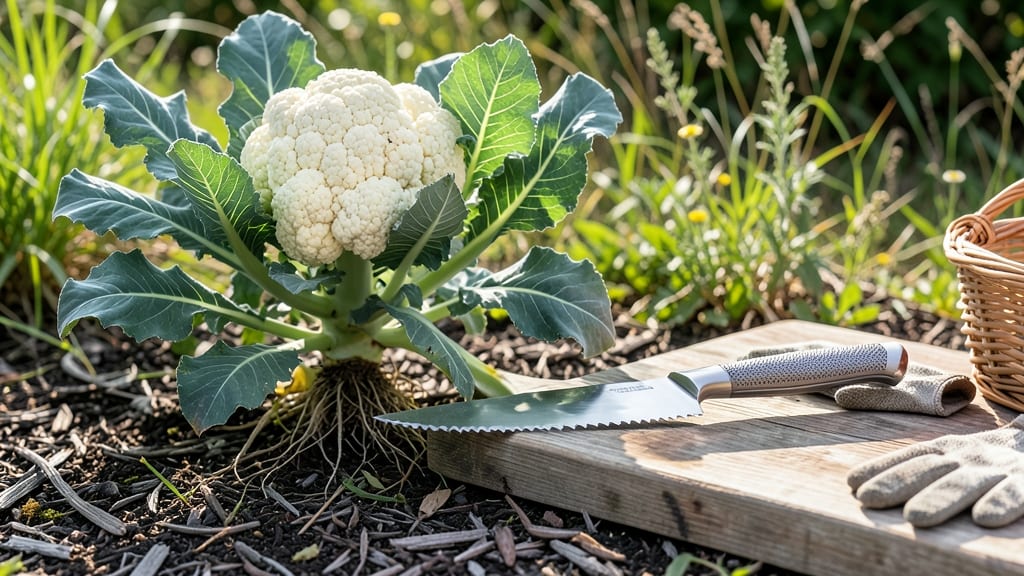
Knowing the perfect harvest time for cauliflower means the difference between a crisp, tender 🥬 and a bitter, woody mess.
Picture this: you’ve nurtured your plants through spring, and now the heads are swelling—but how do you know when to pull them? Wait too long, and the curds turn yellow and tough; harvest too early, and you’re left with underdeveloped, flavorless stems.
In Zone 6a, most varieties are ready between 60–90 days after planting, typically landing in July or August for spring crops. But timing isn’t just about days—it’s about the head’s firmness, the color of the leaves, and even the weather forecast.
Below, I’ll walk you through the exact signs to watch for, how to cut your cauliflower without damaging the plant, and what to do if you miss the window. No more guesswork—just perfect, restaurant-quality curds every time.

Signs your cauliflower is ready for harvest (stem tightness & curd firmness)
Knowing the exact moment to harvest your cauliflower transforms a good crop into an exceptional one. The difference between a crisp, flavorful curd and a bitter, woody stem often comes down to timing.
Unlike some vegetables, cauliflower doesn’t ripen off the vine, so recognizing the right visual and tactile cues is key. I’ve learned that even a day too early or late can affect the texture and taste of your harvest.
First, focus on the head’s firmness. A perfectly ripe cauliflower head should feel solid and compact when gently squeezed. If it gives slightly or feels spongy, it’s not ready yet. The stem attachment is another critical clue—it should be tight and unyielding.
Loose stems mean the head is either too young or overripe. I always check this by running my thumb along the base where the head meets the stem.
Next, examine the color and size of the curd. Most varieties develop a creamy white hue, though purple and orange types have their own color standards. The head should be 6-8 inches wide and fully formed.
If the outer leaves start yellowing or browning, the head inside may already be past its prime. I’ve seen gardeners miss this sign and end up with heads that split open or develop a tough core.
Don’t overlook the surrounding leaves. Healthy, vibrant green leaves protect the head from sun exposure, which can turn it yellow. If the leaves are wilting or pulling away, it’s a clear signal that harvest time is near.
I always remove any yellowing leaves before harvesting to ensure the head stays fresh longer. This simple step can extend your cauliflower’s shelf life by days.
The temperature of your growing region also plays a role in harvest timing. In cooler climates like Zone 6a, cauliflower often matures in late summer (July-September). However, if summer heat arrives too early, the heads may bolt or develop a bitter taste.
I’ve found that harvesting in the early morning helps maintain crispness, especially in hotter climates. The cooler temperatures preserve the head’s texture until you’re ready to cook or store it.
One mistake I’ve seen gardeners make is waiting until the head is too large. While a bigger head might seem ideal, it often means the core becomes tough and fibrous. Aim for a 6-8 inch diameter—any larger, and the flavor and texture suffer.
I’ve tested this by harvesting heads at different sizes and found that medium-sized curds consistently deliver the best results. Smaller heads can be underdeveloped, while larger ones lose their tenderness.
Pay attention to the secondary heads that form after the primary harvest. These smaller heads often mature faster and can be harvested 2-3 weeks later. I’ve successfully extended my cauliflower season by monitoring these secondary growths.
They’re perfect for quick meals and salads, offering a second chance to enjoy homegrown cauliflower without replanting. Just remember, these heads may not reach the same size as the primary one, but they’re just as flavorful.
Finally, trust your tactile senses. The best way to confirm readiness is by touching the head. A ripe cauliflower should feel dense and heavy for its size. If it feels light or hollow, it’s past its prime.
I’ve trained myself to check each plant daily during the last week of growth. This hands-on approach ensures I never miss the perfect harvest window. When in doubt, it’s always better to harvest a day early—cauliflower won’t improve after picking.
With these visual and tactile cues, you’ll never second-guess your cauliflower harvest again. The key is consistency: check the firmness, size, color, and leaf health daily.
When all signs point to readiness, grab your sharp knife and enjoy the reward of your hard work—a perfectly timed, delicious cauliflower harvest! 🥬
How to harvest cauliflower without damaging the plant (step-by-step guide)
Harvesting cauliflower at the right time ensures you get crisp, flavorful curds instead of bitter, woody stems. The key is patience—wait until the head reaches 6-8 inches and feels firm to the touch.
I’ve learned that cutting too early means undersized curds, while waiting too long leads to tough, stringy texture. Let’s walk through the exact steps to harvest without harming your plant.
Before you start, gather your tools: a sharp knife or pruners, a bowl for the harvest, and a spray bottle with water. Wear gloves if you prefer—cauliflower leaves can be prickly!
The goal is to cut the stem cleanly 1-2 inches below the head, leaving the plant healthy enough to produce secondary heads if cared for properly. Let’s begin with the preparation steps.
🌱 Step-by-Step Harvest Guide for Cauliflower
- 1 Check for readiness: Gently squeeze the head—it should feel firm but not hard. The outer leaves should still be vibrant green, not yellowing.
- 2 Choose the right tool: Use a clean, sharp knife or pruners to make a precise cut. Dull tools crush stems, inviting pests and disease.
- 3 Cut at the base: Angle the blade 1-2 inches below the head, slicing through the stem cleanly. Avoid tearing leaves—this protects the plant’s energy for future growth.
- 4 Handle with care: Hold the head by its stem, not the leaves, to prevent bruising. Place it in a bowl immediately to avoid dirt or pests.
- 5 Water the plant: After harvesting, give the soil a deep watering to support regrowth. This encourages the plant to produce secondary heads in 3-4 weeks.
- 6 Store properly: Wrap the head in a damp paper towel and store in the fridge for up to 5 days. For longer storage, blanch and freeze.
One of my biggest mistakes was harvesting cauliflower heads too late—they turned yellow and developed a bitter, woody taste. Now, I check the head’s firmness daily during the last week of its growth cycle.
If the outer leaves start yellowing, it’s a sign to harvest within 24 hours or risk losing quality. Patience pays off with perfect curds!
Did you know cauliflower plants often produce 2-3 smaller heads after the main harvest? To encourage this, remove any yellow or damaged leaves and keep the soil moist.
I’ve had plants yield 3 harvests per season by following these steps. The key is consistency in care—just like harvesting, post-harvest maintenance makes all the difference.
For purple or orange varieties, the color deepens as the head matures, but don’t wait for it to fully open. Once the curds start separating, the texture becomes grainy and unappetizing.
Use a small hand trowel to gently loosen soil around the base before cutting—this prevents the plant from toppling over during harvest. A little prep goes a long way in preserving your plant’s health.