
Picking
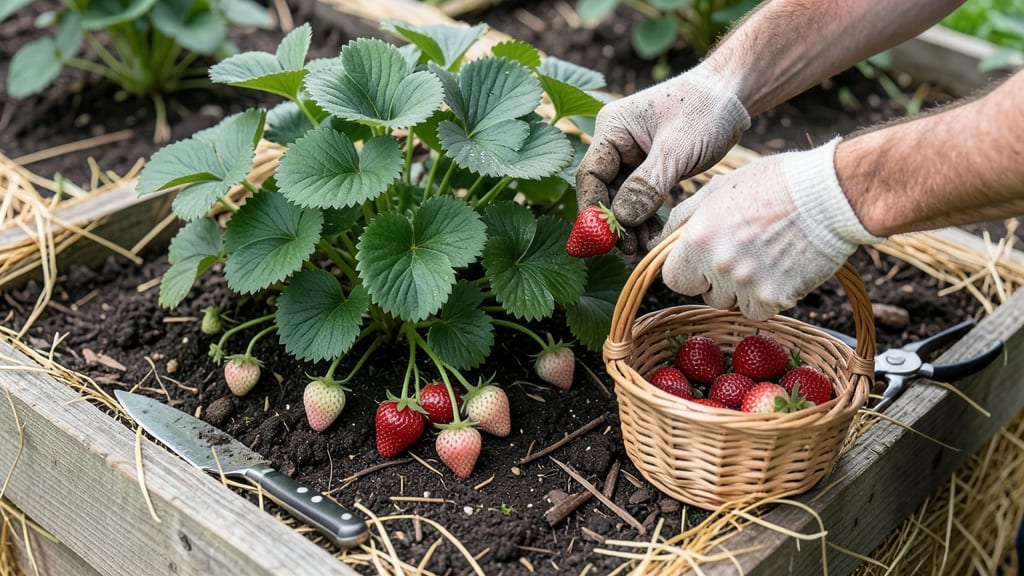
The harvest time for strawberries is all about catching that perfect balance of sweetness and ripeness—because picking too early means tart, underripe fruit, while waiting too long risks birds or rot.
Picture this: a June-bearing patch in your backyard, heavy with ripe berries, but you’re not sure if they’re ready. The stakes are high—overripe strawberries turn mushy in minutes, and underripe ones lack the flavor you planted for.
Knowing the exact moment to harvest can mean the difference between a juicy, sweet bounty and a disappointing batch.
In Zone 6a, where spring-planted strawberries thrive, the window opens in late May or early June, depending on your variety. Ever-bearing types stretch the season into fall, while day-neutral varieties keep producing as long as conditions allow.
But timing isn’t just about the calendar—it’s about color, texture, and even the way the berry detaches from the plant.
Below, I’ll walk you through the visual cues that guarantee sweetness, how to extend your harvest with simple tricks, and the best ways to store your berries so they stay fresh longer. Ready to turn your patch into a flavor-packed success?

How to determine the perfect strawberry harvest time for maximum sweetness
Picking strawberries at the wrong time can turn your sweet rewards into mealy, flavorless disappointments. The key to maximum sweetness lies in understanding ripeness cues and how your local climate influences timing.
Strawberries don't ripen further after picking, so getting them perfect at harvest is everything. Let's break down the science behind the perfect harvest window for your garden's strawberries.
First, recognize that not all strawberries ripen at once. June-bearing varieties produce one massive crop in early summer, while ever-bearing and day-neutral types offer staggered harvests throughout the season. This variety difference means your timing strategy should adapt based on what you're growing.
For June-bearers, expect a 3-4 week harvest window, while ever-bearing types may give you berries for 6-8 weeks with proper care.
Color is your first visual cue, but don't rely on it alone. Most varieties turn fully red when ripe, though some heritage types stay white or yellow. Look for uniform color across the berry—uneven shading suggests it's not fully mature. The cap (hull) should also start drying out slightly at the base, turning from green to white or tan. This is nature's way of telling you it's time to pick.
| Ripeness Cue | June-Bearing | Ever-Bearing | Day-Neutral |
|---|---|---|---|
| Color | Fully red (or variety-specific) | Uniform color, may vary by type | Consistent hue, no green patches |
| Texture | Slightly soft, yields to gentle pressure | Firm but not hard, slight give | Plump with minimal resistance |
| Stem Color | White or drying at base | Beginning to dry out | Turning tan or white |
| Harvest Window | 3-4 weeks (June-July) | 6-8 weeks (spring-fall) | Continuous (spring-fall) |
| Temperature Impact | Slows ripening below 50°F | Accelerates above 80°F | Optimal 60-75°F range |
Temperature plays a crucial role in ripening speed. Strawberries ripen fastest when daytime temperatures hover between 60-75°F. Below 50°F, ripening slows dramatically, while above 85°F, berries may develop off-flavors or sunburn.
If your summer gets too hot, harvest berries slightly earlier than fully ripe to avoid these issues. In cooler climates, you might need to extend the harvest season by using row covers to maintain optimal temperatures.
The gentle squeeze test is my favorite trick for determining ripeness. A perfectly ripe strawberry should feel plump but yield slightly when pressed with your thumb—like a ripe peach. If it's rock-hard, it needs more time. If it feels mushy or leaves an imprint, it's overripe.
This test works best when berries are at room temperature, so avoid testing first thing in the morning when dew can make them feel firmer than they are.
Don't overlook the flavor test when possible. The best strawberries develop complex flavors as they ripen—think tart-sweet balance with hints of perfume. If you can, sample a few berries from different plants to identify the sweetest ones.
This helps you learn what perfect ripeness tastes like in your specific growing conditions. Remember, flavor peaks just before the berry becomes too soft, so don't wait until the last possible moment.
Light conditions also affect ripening speed. Strawberries need 6-10 hours of sunlight daily for optimal fruit development, but too much intense afternoon sun can cause sunburn and accelerate ripening.
If your plants are in full afternoon sun, you may need to harvest berries 1-2 days earlier than those in morning sun only. Providing light shade cloth during peak heat hours can help regulate ripening and improve flavor.
Ever-bearing varieties complicate timing because they produce fruit in two waves: early summer and again in fall. The first flush typically ripens in June or early July, while the fall crop appears after summer heat breaks.
Day-neutral types, on the other hand, produce continuously from spring through fall with only minor breaks. For these varieties, maintain a weekly harvest schedule to keep up with production and prevent overripe berries from falling to the ground.
One common mistake is waiting too long because you think more time equals sweeter berries. Actually, strawberries stop ripening once picked, so leaving them on the vine too long leads to bird damage, rotting, or nutrient loss as the plant redirects energy to next year's growth.
A good rule is to harvest every 2-3 days during peak season to stay ahead of ripening while avoiding overcrowded plants that can spread disease.
Pro tip
Strawberry shelf life: how long picked berries stay fresh (and how to extend it)
Once you've picked your strawberries at peak ripeness, their shelf life depends entirely on how you store them. Freshly harvested berries typically last 3-5 days in the fridge if handled properly, but many gardeners struggle with spoilage.
The key is understanding that strawberries are delicate fruits with a high moisture content, making them prone to mold and softening. Unlike many fruits, they don't ripen further after picking, so timing your harvest correctly is just as important as post-harvest care.
Immediately after harvesting, remove any damaged or moldy berries from your container. These can spread spoilage to healthy fruit within hours. I always rinse my strawberries in cool water only when necessary—excess moisture speeds up decay.
For the freshest taste, enjoy them within 24 hours of picking when possible, as their flavor peaks at full ripeness. The sooner you consume them, the more intense their sweetness will be.
⚠️ Critical Harvest Time Warning: Strawberries Don't Ripen After Picking!
The 3-5 day fridge life starts from your harvest time for strawberries. If you pick them too early (green or half-red), they'll never sweeten up—no amount of refrigeration will fix this. Always wait until they're fully colored and slightly soft before harvesting. Overripe berries (mushy, leaking juice) have a shelf life of just 1-2 days, even in the fridge.
For short-term freshness, store strawberries in a single layer on a paper towel-lined container. The paper absorbs excess moisture while allowing airflow to prevent mold. Place them in the crisper drawer of your fridge, which maintains higher humidity.
I've found that storing them in a sealed container with ventilation holes (like a perforated plastic bag) extends their life by 1-2 days compared to loose storage.
When strawberries begin to soften or develop white or gray mold, it's time to act fast. These are signs of spoilage that spread quickly. Remove affected berries immediately and discard them—don't wash them first as this can transfer spores.
The remaining berries may still be safe to eat if their centers are firm. For berries showing early signs of spoilage, consider using them in recipes that require cooking, like jams or baked goods, where the heat will kill any mold.
For long-term storage, freezing is your best option. Wash, hull, and dry the berries thoroughly before spreading them in a single layer on a baking sheet. Freeze until solid (about 2 hours), then transfer to airtight containers or freezer bags.
Properly frozen strawberries maintain quality for up to 12 months. When ready to use, thaw them in the fridge overnight or use them directly in frozen recipes like smoothies or pies without thawing.
Don't let overripe strawberries go to waste! Use them creatively in homemade preserves, strawberry shortcake, or even strawberry vinegar for salad dressings. The natural sugars concentrate as they ripen, making them perfect for baking.
I often make small batches of strawberry jam with slightly overripe berries—it's a great way to preserve the harvest and enjoy the sweet flavor year-round. Even the leaves can be used in teas, though they should be harvested before the fruit ripens.