
How To
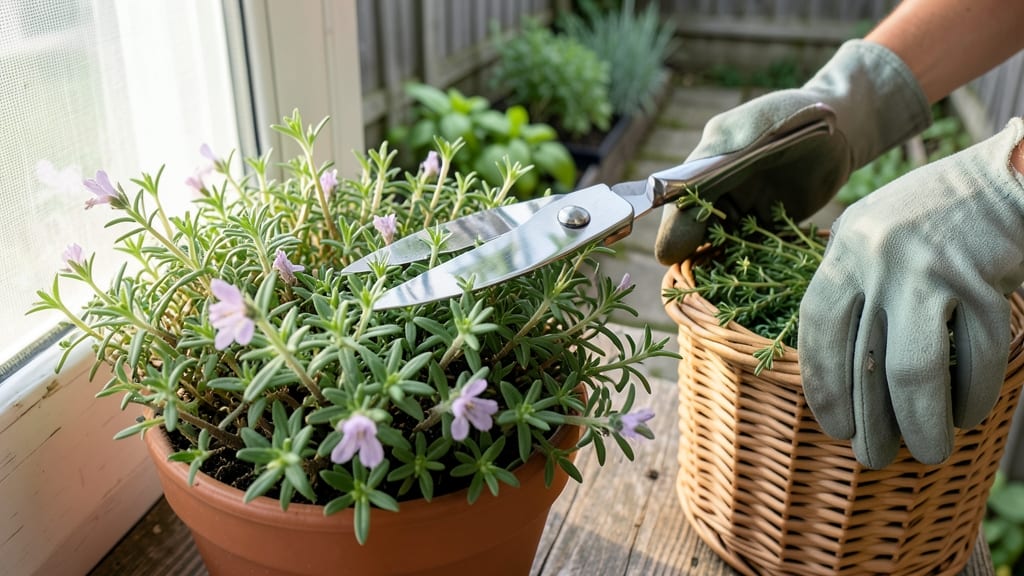
To harvest fresh thyme 🌿 properly, focus on leaf-by-leaf trimming when the plant is mature and aromatic—before flowers form for peak flavor.
Picture this: You’re about to snip a stem, but you pause because you’ve heard cutting too much can stunt growth. That’s where most gardeners go wrong—over-harvesting instead of working with the plant’s natural rhythm.
Thyme thrives when you take just one-third of the plant at a time, always cutting above a leaf node to encourage new growth.
The right tools (sharp scissors or clean fingers) and timing (mid-morning after dew dries) make all the difference between a harvest that fuels your cooking and one that leaves your thyme struggling.
In this guide, I’ll walk you through the exact techniques—from identifying the perfect stems to storing your harvest so it stays fresh for weeks. You’ll leave here confident in turning your thyme into a year-round flavor powerhouse.

When and how to harvest thyme leaves for maximum flavor and regrowth
Timing your thyme harvest correctly can transform your plant from a flavorless bush to a year-round herb powerhouse. Unlike many herbs, thyme thrives when harvested at specific growth stages—just before flowering delivers the most aromatic leaves.
My spring and fall harvests consistently produce the richest flavor, but understanding why makes all the difference.
The key to sustainable thyme harvesting lies in selective leaf removal rather than aggressive pruning. Leaf-by-leaf harvesting encourages bushier growth, while stem pruning promotes longer branches. I’ve found that combining both methods—snipping stems in spring and pinching leaves in fall—keeps my thyme lush and productive through multiple seasons.
🌿
Spring is your golden window for thyme harvesting because the plant’s energy focuses on leaf production rather than flowering. I start harvesting in late May when new growth reaches 3-4 inches tall.
Look for stems that are green and flexible—avoid cutting woody stems, as these won’t regrow. The first harvest should be light: remove only 20-30% of the plant’s foliage to avoid shocking it.
Fall harvesting extends your thyme’s productive season by 3-4 weeks before winter dormancy. The last harvest should occur in early October before the first frost. At this stage, thyme’s flavor intensifies as the plant prepares for winter.
I focus on leaf-by-leaf removal to preserve the plant’s structure for spring regrowth, targeting only the outermost mature leaves.
Identifying mature vs. immature leaves is crucial for flavor and regrowth. Mature leaves are dark green, aromatic when crushed, and located on the lower 1/3 of stems. Immature leaves are light green, sparse, and found on new top growth.
I use this visual guide to ensure I’m always harvesting at peak flavor while leaving enough foliage for photosynthesis.
Seasonal care after harvesting makes the difference between year-round thyme and a one-season wonder. After each harvest, I water deeply and apply a light layer of compost to replenish nutrients.
In late summer, I reduce watering slightly to harden the plant for winter, but I never let it dry out completely. This balance keeps my thyme perennial and productive for decades.
One common mistake I see is over-harvesting in summer, which stresses the plant when it needs energy for flowering. Instead, I limit summer harvests to 10% of the plant’s foliage and focus on leaf-by-leaf removal rather than stem pruning.
This approach maintains the plant’s vigor while still providing fresh thyme for summer cooking.
For maximum regrowth, always use clean, sharp scissors or your fingers to pinch leaves. Avoid tearing stems, which can introduce disease. I’ve found that harvesting every 4-6 weeks during the growing season keeps thyme lush and prevents it from becoming woody and unproductive.
With this routine, my thyme plants consistently produce harvests for 8+ years.
🌱
Step-by-step thyme harvesting techniques: tools, trimming, and storage tips
Harvesting thyme correctly ensures your plant stays healthy and productive. The key is to use the right tools and techniques to avoid damaging stems. I’ve found that clean cuts promote regrowth, while improper trimming can stress your plant. Let’s break down the essentials for a successful harvest.
First, gather your harvesting tools. Sharp pruning shears or clean scissors work best for stems, while fingers are perfect for leaf-by-leaf plucking. Avoid dull tools—they crush stems and invite disease. I always sanitize my tools with rubbing alcohol before use to prevent contamination.
- Step 1: Choose Mature Stems Select stems that are 4-6 inches tall with green tips and woody bases. Avoid cutting into woody stems—this can kill the plant.
- Step 2: Use the Right Cutting Method For stems, cut just above a leaf node at a 45-degree angle to encourage regrowth. For individual leaves, pinch them off gently between your fingers.
- Step 3: Harvest Before Flowering Pick thyme just as flower buds form but before they open. This preserves flavor and prevents the plant from becoming woody too quickly.
- Step 4: Store Fresh Thyme Properly Place harvested stems in a glass of water in the fridge for up to a week. For long-term storage, dry or freeze the leaves as described below.
After harvesting, decide whether to dry or freeze your thyme. Air-drying is simple: bundle stems and hang upside down in a dark, dry place for 1-2 weeks. Once brittle, strip the leaves and store in an airtight container.
For oven-drying, spread stems on a baking sheet at 200°F (93°C) for 1-2 hours until crisp.
For fridge storage, wrap fresh stems in a damp paper towel and place in a sealed bag. This keeps thyme fresh for 5-7 days. Freezing is another option: chop leaves and store in ice cube trays with water or oil for easy portioning.
I prefer freezing because it preserves peak flavor for months.
Never harvest more than one-third of the plant at once. Over-harvesting weakens thyme and reduces future yields. In my garden, I harvest every 4-6 weeks during the growing season to maintain a steady supply of fresh leaves.
With these techniques, your thyme will stay lush and flavorful all season long. Happy harvesting! 🌿✂️🌱