
How To
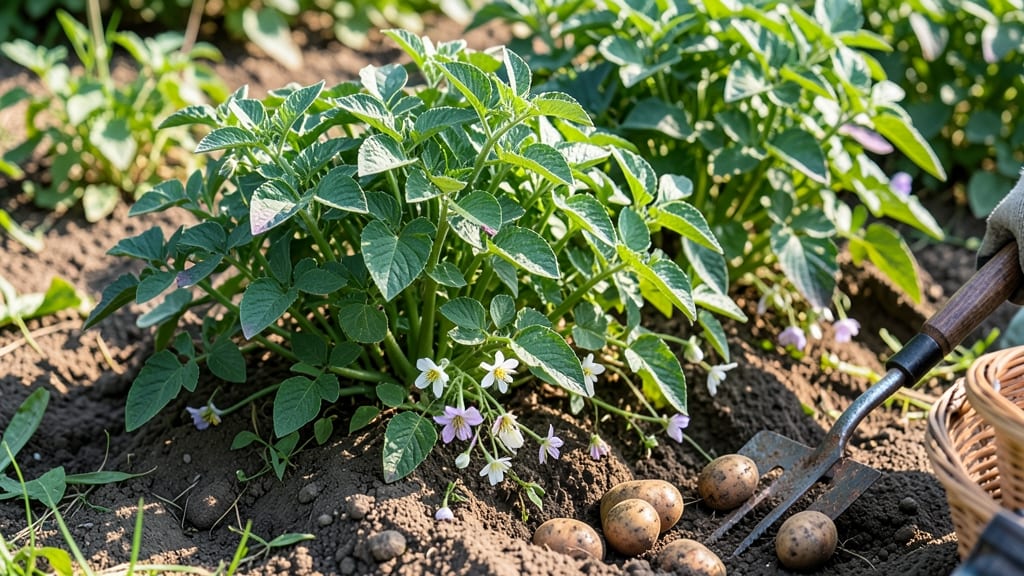
Harvesting potatoes takes anywhere from 60 to 120 days, depending on whether you're after tender new potatoes or fully mature tubers 🥔.
Picture this: you’ve spent weeks nurturing your potato patch, and now you’re itching to dig in—but when is the right moment? The answer isn’t just about days on the calendar; it’s about soil temperature, plant signals, and even the type of potato you’re growing.
Early varieties like Red Pontiac might be ready in as little as 70 days, while larger potatoes like Russets could need up to 120 days to reach peak flavor. Miss the window, and you risk shriveled tubers or even sprouting—neither of which you want.
In this guide, I’ll break down the exact timing for new vs. mature potatoes, how to read your plants for readiness, and the simple tricks to extend your harvest season—no guesswork required.

Potato harvest timeline by variety: early, mid-season, and late varieties explained
Timing your potato harvest correctly is the difference between buttery-perfect spuds and tough, underdeveloped tubers. Early varieties like 'Red Norland' can be ready in as little as 60-80 days, while late varieties like 'Russet Burbank' may take 110-130 days to reach maturity.
The key lies in understanding your potato's maturity timeline and watching for visual harvest cues.
Most gardeners focus on days to maturity, but soil temperature and sunlight also play critical roles. For example, Yukon Gold potatoes typically mature in 90-100 days, but cooler soils can stretch that timeline by 2-3 weeks.
Meanwhile, fingerling varieties like 'Purple Peruvian' often mature faster—around 70-90 days—but their smaller size makes them ideal for early harvests.
Here’s how to match your potato variety to the right harvest window based on days to maturity and seasonal cues:
| Variety Type | Days to Maturity | Harvest Window | Harvest Cues | Best For |
|---|---|---|---|---|
| Early Varieties | 60–80 days | Late June–Early July | Foliage yellows, small tubers form | Quick harvests, short seasons |
| 'Red Norland' | 70–80 days | Late June–July | Skin toughens, stems snap | Fresh eating, salads |
| 'Yukon Gold' | 90–100 days | July–Early August | Foliage dies back, tubers firm | Roasting, mashed potatoes |
| Mid-Season Varieties | 80–100 days | July–Mid-August | Flowers fade, skin thickens | Storage, versatile cooking |
| 'Kennebec' | 85–95 days | July–August | Tubers fully sized, stems dry | French fries, baking |
| 'Red Pontiac' | 80–90 days | July–Early August | Skin resists scratching, foliage yellows | Storage, boiling |
| Late Varieties | 100–130 days | Mid-August–September | Foliage fully dies, tubers large | Long storage, large tubers |
| 'Russet Burbank' | 110–130 days | Late August–September | Skin rough, stems crispy |
How soil conditions and climate affect potato harvest speedYour potato plants might be thriving above ground, but what’s happening below could make or break your harvest timeline. Soil temperature, moisture levels, and drainage quality all play critical roles in determining how quickly your tubers mature. Even the climate zone you’re gardening in can shift your harvest window by weeks. For example, in warmer climates (Zones 8-10), potatoes often mature faster—sometimes in as little as 70 days—while cooler regions (Zones 3-5) may stretch the timeline to 120+ days. The key is understanding how these factors interact to either speed up or delay your harvest. ⚠️ Warning: Overripe Potatoes Ruin Your HarvestIgnoring soil and climate signs can lead to shriveled tubers or sprouting potatoes—both are signs of overripeness. Green stem ends (from exposure) mean toxic solanine buildup. Harvest when foliage yellows naturally, not when it wilts from stress. Let’s start with soil temperature, which is non-negotiable for potato growth. Tubers need soil temps between 50°F and 75°F to develop properly. If your soil stays too cold (below 45°F), growth stalls, and you’ll see small, underdeveloped tubers. Conversely, soil temps above 80°F can cause potatoes to sprout prematurely or develop a gritty texture. Moisture is another game-changer. Potatoes need consistent, even moisture—especially during tuber formation (6-8 weeks after planting). Too little water leads to small, misshapen potatoes, while excessive moisture can cause rot or attract pests. Aim for 1-1.5 inches of water per week, delivered in the morning to prevent fungal diseases like blight. Don’t overlook drainage, either. Potatoes hate soggy soil—poor drainage leads to rot and delays harvests. Amend heavy clay soil with compost or sand to improve airflow. Raised beds are a great solution for areas with compacted or waterlogged soil, as they offer better control over moisture and drainage. Finally, climate patterns like humidity and rainfall can shift your harvest window. In dry climates, potatoes mature faster but may need drip irrigation to avoid stress. In humid regions, watch for late blight (a fungal disease) and harvest before foliage collapses. Always plan to harvest before the first frost, as cold temps turn starches to sugar, making potatoes unpleasantly sweet. By tuning into these soil and climate cues, you’ll avoid the heartbreak of overripe or underdeveloped potatoes and enjoy a harvest that’s both timely and delicious. 🌱 |