
How To
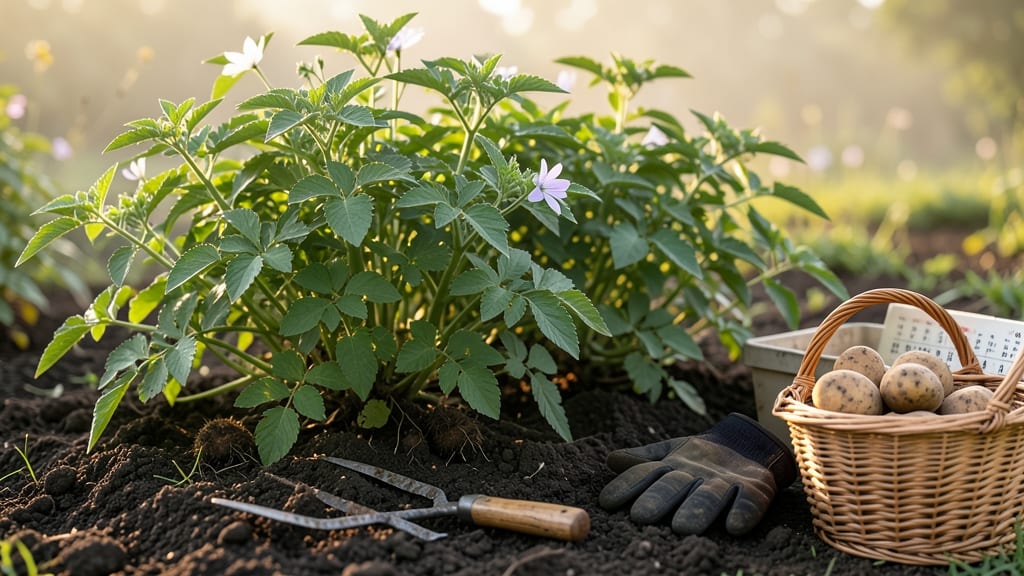
Harvesting potatoes takes between 70 and 120 days after planting, depending on the variety you’re growing—too soon and you’ll get small, underdeveloped tubers, too late and they’ll be mealy or sprouted.
If you’ve ever dug up a potato crop only to find half the tubers still tiny or the skins tough and green, you know how quickly things can go wrong. The key is timing: knowing when your 🥔 plants are ready to pull, not just guessing by the calendar.
Most gardeners focus on days to maturity, but the real secret lies in watching your plants. Yellowing foliage, fading flowers, and tubers that resist gentle pressure are the signs you’ve been waiting for—each one a clue that your potatoes are at their peak flavor and texture.
In this guide, I’ll break down the exact weeks for early, mid-season, and late varieties, plus how to harvest without damaging your crop. You’ll leave here with a clear plan to pull potatoes at the perfect moment—no more wasted effort or sad, shriveled tubers.

Potato harvest timing by variety: weeks to maturity guide
Harvesting potatoes at the right time ensures maximum flavor, size, and storage potential. Unlike many vegetables, potatoes don't ripen after picking, so timing is everything. The weeks to maturity vary dramatically between early, mid-season, and late varieties, with harvest windows ranging from 60 to 120 days after planting.
Most gardeners focus on storage potatoes (like Russets or Yukon Golds), but don't overlook new potatoes—small, tender tubers harvested before full maturity. These can be ready in as few as 50-60 days, while storage varieties need 90-120 days to develop thick skins and optimal starch content.
Early varieties (like 'Red Pontiac' or 'Yukon Gold') are perfect for short-season climates or when you need quick harvests. Mid-season types (such as 'Kennebec' or 'Katahdin') offer the best balance, while late varieties (like 'Russet Burbank') reward patience with larger yields and superior storage life.
For new potatoes, harvest when tubers reach 1-2 inches in diameter—typically 50-70 days after planting. These tender potatoes are best eaten fresh and won't store well. I like to harvest them in two batches: first when they're tiny for salads, then again later for roasting.
Mid-season varieties like 'Kennebec' hit their peak harvest window around 70-90 days. This is when their skins thicken and starch content increases, making them ideal for frying, baking, or mashing. If you wait too long, they'll become too large and develop a hollow heart—a common issue with oversized tubers.
Late varieties like 'Russet Burbank' need 90-120 days to mature fully. These are the storage kings of the potato world, developing thick, waxy skins that protect against rot during winter storage. I always plant a few rows of these in early spring to ensure a fall harvest for holiday meals.
Pro tip: Plant early and late varieties together to stagger your harvest. This way, you'll have fresh potatoes from late June through October, avoiding the dreaded "potato gap" between early and late crops. Just be sure to label your rows—nothing's worse than mixing up your varieties!
Remember, harvest timing affects flavor. Early potatoes are waxy and moist, perfect for boiling or salads, while fully mature potatoes develop higher starch levels, ideal for crispy fries or fluffy mashed potatoes. Knowing your varieties' maturity windows lets you plan for the perfect culinary use.
Always harvest storage potatoes before the first frost. Cold temperatures can convert starches to sugars, making them sweet and less ideal for baking. For long-term storage, cure your potatoes in a cool, dark, humid space for 1-2 weeks before storing them in a ventilated container.
Signs your potatoes are ready to harvest (before checking the calendar)
Forget relying on the calendar—your potatoes will tell you exactly when they're ready to harvest. The key is learning to read their visual and tactile cues.
These signs ensure you dig up your spuds at peak flavor and size, avoiding the common mistakes of harvesting too early (tiny potatoes) or too late (shriveled tubers).
Start by observing the foliage and flowers—your potato plants will send clear signals when it's time to harvest. Unlike many vegetables, potatoes don't have a single "perfect day" to pull them from the ground. Instead, they rely on a combination of plant maturity, weather conditions, and tuber development.
- 1 Flowers fade and stems yellow: When 70-80% of flowers have dropped and stems turn yellow-brown, it's time to check for tubers. This usually happens 2-4 weeks before full maturity.
- 2 Tubers reach 2-3 inches in diameter: Gently probe the soil with your fingers (wear gloves!) to feel for firm, walnut-sized tubers. If they're smaller, wait 1-2 more weeks for new potatoes.
- 3 Skin toughens but flesh stays firm: Press a tuber—if the skin resists but the flesh doesn't dent, it's harvest-ready. Green skin means it's still growing (and may be toxic if exposed to light).
- 4 Soil conditions matter: Harvest on a dry, overcast day to prevent tubers from splitting. If rain is forecast, dig up 2-3 days ahead and cure potatoes in a cool, dark place.
For new potatoes, you can harvest as soon as they reach 1-2 inches in diameter—typically 50-60 days after planting. These young tubers have tender skin and a delicate flavor, perfect for quick cooking. Just be gentle when digging to avoid bruising them.
If you're growing storage potatoes (like Russets or Yukon Golds), wait until the foliage has completely died back and the tubers have reached their full size. This usually happens 90-120 days after planting, depending on the variety.
The key is to harvest before the first hard frost, as cold temperatures can damage the tubers.
Pro tip: For a continuous harvest, plant a mix of early, mid-season, and late varieties. This way, you'll have potatoes ready at different times throughout the summer, extending your fresh harvest window. Just keep a gardening journal to track which varieties mature fastest in your climate! 🌱