
How To
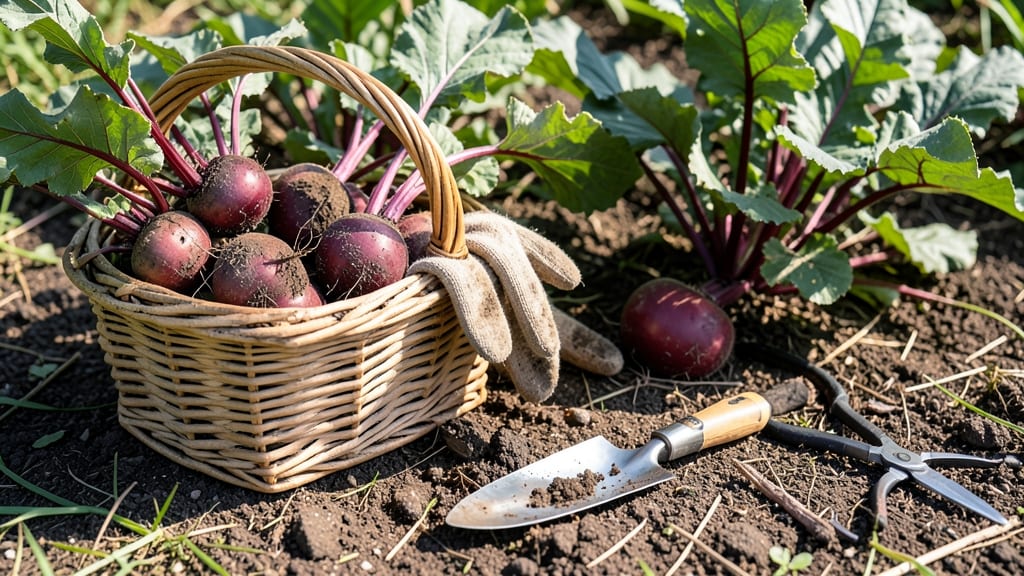
Harvesting beets at 50 days after planting transforms them from bland, fibrous roots into sweet, tender gems 🍠—but timing is everything.
Picture this: you’ve nurtured your beets for weeks, only to pull them too early and end up with tiny, tough roots, or wait too long and watch them turn woody.
The key is knowing when the roots reach 1-3 inches in diameter and the tops hit 4-6 inches tall—signs they’re at their peak flavor and texture.
Not all beets mature at the same pace, though. Varieties like Detroit Dark Red or Chioggia may ready in as little as 45 days, while others take up to 70 days.
Below, I’ll break down the exact days to harvest by variety, plus the visual cues—like leaf color and soil resistance—that guarantee you never pull a beet too soon or too late.
Once you’ve mastered the timing, you’ll also learn how to store your harvest for maximum sweetness, whether you’re keeping them in the fridge, curing for long-term storage, or freezing for later use. Ready to turn your garden into a beet bonanza?

Beet harvest timing: days to maturity by variety (baby vs. full-sized)
Timing your beet harvest correctly is the secret to unlocking their sweetest flavors and tender textures.
Most gardeners assume all beets take the same amount of time to mature, but varieties like Detroit Dark Red or Chioggia have dramatically different harvest windows—some as early as 45 days for baby beets, others up to 70 days for full-sized roots.
The key lies in understanding both the days to maturity for each variety and the visual cues that signal readiness.
Baby beets—harvested at 1-2 inches in diameter—offer a delicate, sweet taste perfect for salads, while mature beets (2-3 inches) develop deeper flavors ideal for roasting. The difference isn’t just size; it’s also about leaf color, root firmness, and even soil conditions.
For example, Golden beets mature faster than deep red varieties but lose their vibrant color if left too long in the ground.
The Detroit Dark Red variety is a gardener favorite because it balances speed and flavor, with baby beets ready in just 45-50 days.
If you’re growing this type, I recommend harvesting a few baby beets as soon as they reach 1 inch in diameter—this lets you enjoy early sweetness while still allowing some plants to mature for later harvests.
The Chioggia, with its stunning striped pattern, takes longer to reach full size but rewards patience with a unique, earthy-sweet flavor.
For Golden beets, timing is even more critical because their color fades if left in the ground too long. Aim to harvest them when they’re 1-1.5 inches for baby beets or 2-2.5 inches for full-sized roots.
Their bright yellow hue is a clear indicator of freshness—once they start turning dull, their sweetness diminishes. I’ve found that loose, well-drained soil helps maintain their vibrant color longer.
One common mistake I see in gardens is assuming all beets are ready at the same time. In reality, succession planting every 2 weeks ensures a continuous harvest. For example, plant one batch of Detroit Dark Red in early spring and another in late summer.
This way, you’ll always have fresh beets ready to pull when they reach the perfect 1-3 inch size, regardless of the season.
Soil conditions play a surprising role in harvest timing. Beets grown in cool weather (50-65°F) mature faster and develop sweeter flavors, while hotter temperatures can cause them to bolt or become woody.
If your garden soil feels too warm, try shading the plants slightly or harvesting earlier than the recommended days to maturity. I’ve also noticed that consistent moisture keeps roots tender—dry spells can make beets tough and less flavorful.
To test if your beets are ready, gently tug on the leafy greens. If the root slides out of the soil easily, it’s likely ready. For a true taste test, slice a thin cross-section—if the center is bright (red, yellow, or pink) and firm, it’s harvest-ready.
Overripe beets develop a woody core and bitter taste, so don’t wait too long, especially with faster-maturing varieties like Golden beets.
Pro tip: If you’re growing beets for storage, harvest them slightly larger (2.5-3 inches) and let them cure in a dark, cool place for 2-3 days before storing.
This process concentrates their sugars, making them last longer in the fridge. I’ve stored cured beets for up to 3 months
5 Signs your beets are ready to harvest (beyond just size)
Beets don’t follow a one-size-fits-all harvest schedule—size alone won’t guarantee sweetness or tenderness. I’ve learned the hard way that pulling beets too early means tough, bland roots, while waiting too long risks woody textures and bitter flavors.
The key lies in visual cues, soil resistance, and even a quick taste test. Let’s break down the 5 foolproof signs your beets are begging to be harvested, plus the mistakes that sabotage perfect timing.
First, forget the myth that all beets take the same time to mature. While most varieties like Detroit Dark Red or Chioggia reach harvest in 50-70 days, baby beets (like Little Ball) can be ready in just 30-45 days.
The real magic happens when you combine days to maturity with these physical indicators—because a beet’s readiness is written in its leaves, roots, and even the soil around it.
- 1 Leaf Color Shift: Mature beets develop darker green leaves with a slightly waxy sheen. Young leaves stay soft and bright—harvest when the outer leaves turn deep emerald and the center leaves tighten.
- 2 Root Shape & Firmness: Gently squeeze the soil around the base—if the root feels round and firm (like a tennis ball), it’s ready. Avoid pulling if the root feels soft or irregularly shaped, which signals overripeness.
- 3 Skin Texture: Run your thumb over the exposed portion of the root. Ready beets have smooth, taut skin—no wrinkles or cracks. If the skin feels dry or peeling, the beet has passed its prime.
- 4 Taste Test: Cut a small slice from the shoulder of the root (where the leaves meet the bulb). If it’s sweet and crisp with no bitterness, it’s harvest time. A woody or earthy taste means wait a few more days.
- 5 Soil Resistance: Use a fork to loosen the soil 2 inches around the beet. If the root resists pulling (like it’s anchored), it’s mature. If it slides out easily, it’s underripe. Never pull by the leaves—this damages the root!
Here’s where most gardeners go wrong: they harvest based on calendar days alone. I once pulled Detroit Dark Red beets at 60 days because the package said so—only to discover they tasted mushy and bland.
The leaf color was still pale, and the roots felt spongy. Lesson learned? Combine timing with physical cues for perfect results.
Pro tip: For baby beets, harvest when the roots are 1-2 inches wide and the leaves are 3-4 inches tall. For full-sized beets, aim for 2-3 inches in diameter with 6-inch-tall foliage.
And if you’re growing striped varieties like Chioggia, wait until the rings are fully visible through the skin—this ensures maximum sweetness.
Once you master these signs, you’ll never guess at harvest time again. The difference between a tough, watery beet and a juicy, sweet gem comes down to these simple checks. Now grab your fork and dig in—your garden’s beets are ready! 🍠