
How To
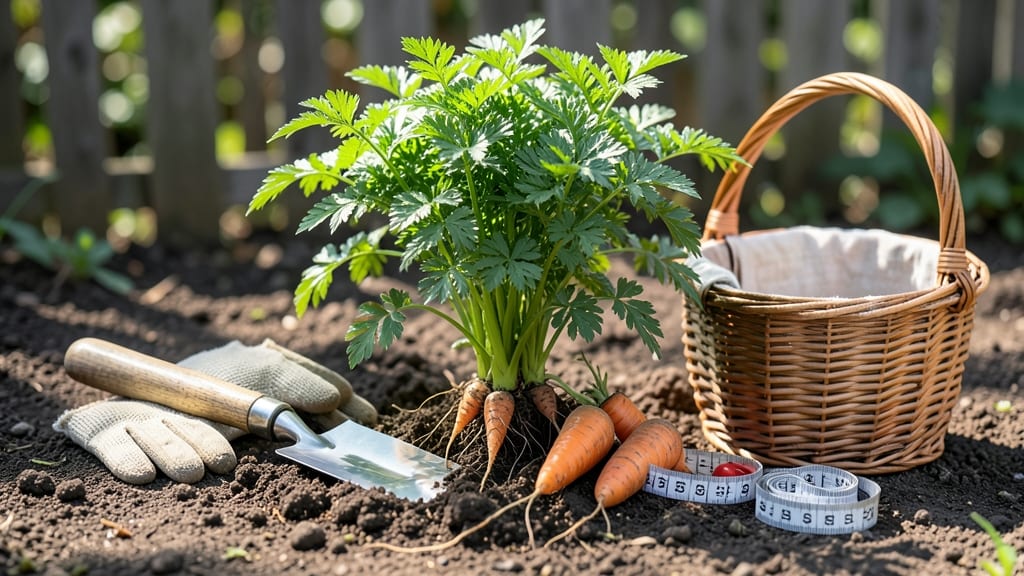
Harvesting carrots at 60–80 days from seed delivers that perfect crunch and sweetness you crave — but timing it wrong means woody roots or split messes.
Picture this: you’ve nurtured your 🥕 patch all season, and now the question looms—when do you pull them? Too early, and they’re underdeveloped; too late, and they bolt or crack. The difference between a perfect harvest and a disappointment often comes down to days, not just luck.
Most gardeners assume "harvest time" is a one-size-fits-all number, but soil type, variety (Danvers vs. Nantes), and even your last frost date shift the window. I’ll break down the exact signs to watch for—leaf size, root thickness, and soil resistance—and how to adjust for your Zone 6a climate.
By the end, you’ll know not just when to harvest, but how to thin for baby carrots in 30–40 days or store your crop for months. No more guesswork, just crunchy perfection every time.

Carrot harvest timeline: days to maturity from seed vs transplant
Understanding your carrot harvest timeline is key to avoiding those tough, stringy roots or split, overgrown ones. Most gardeners know carrots take time, but the exact days to maturity depends on whether you start from seeds or use transplants.
Seed-started carrots typically reach harvest in 60-80 days, while transplants mature faster at 50-65 days. The difference comes down to how quickly roots establish and grow in ideal conditions.
Soil temperature plays a huge role in this timeline. Carrots thrive in soil temps between 60-70°F. If your soil is cooler, like in early spring or fall, roots will grow slower, pushing back your harvest by 1-2 weeks.
On the other hand, warm soil speeds up growth, but too hot (85°F+) can cause bolting—when carrots flower prematurely and become woody. Aim for that sweet spot for the fastest harvest.
Variety also shifts your harvest window. Danvers carrots, a classic heirloom, take 70-80 days to mature, while Nantes varieties (like 'Paris Market') mature in 60-70 days. Chantenay types, known for their sturdier roots, fall in the 65-75-day range.
Choosing the right variety for your season can shave weeks off your wait time.
Here’s how these factors compare at a glance—because planning ahead saves you from guessing:
| Factor | Seed-Started Carrots | Transplant Carrots |
|---|---|---|
| Days to Harvest | 60-80 days | 50-65 days |
| Ideal Soil Temp | 60-70°F | 60-70°F |
| Fastest Variety | Nantes (60-70 days) | Nantes (50-60 days) |
| Slowest Variety | Danvers (70-80 days) | Danvers (60-70 days) |
| Risk of Bolting | High in 85°F+ soil | Lower (roots established faster) |
Let’s break down why transplants save time. When you buy seedling transplants, they’ve already sprouted and developed a small root system. This means they skip the 2-3 week germination phase that seed-started carrots endure.
For example, if you plant Nantes carrots as transplants in early May, you could harvest as early as late June, compared to early August if you started from seed.
But don’t assume transplants are always better. Seed-started carrots often produce straighter, sweeter roots because they grow undisturbed from the start. Transplants can struggle if their roots are damaged during transfer, leading to forked or stunted growth.
If you’re new to gardening, start with seeds—they’re more forgiving and teach you patience (and timing!).
Pro tip: Use a planting calendar to map your harvest timeline. For spring plantings, count backward from your first frost date (typically October 15 in Zone 6a). If your carrots need 70 days to mature, plant seeds by mid-August for a fall harvest.
For summer harvests, aim for March-April plantings to avoid bolting in heat.
One mistake I see often is assuming all carrots mature at the same pace. Baby carrots, harvested at 30-40 days, are a game-changer for impatient gardeners. Thin your rows early to encourage faster growth—this gives you multiple harvests instead of waiting for full maturity.
For example, plant a succession crop every 2 weeks in spring for a steady supply.
Finally, don’t ignore the moon phases if you’re serious about timing. Planting during the waxing moon (when roots grow upward) can slightly speed up maturation, though the difference is minimal. The real secret? Consistent moisture and loose soil. Both are non-negotiable for hitting your harvest window on target.
With this timeline in hand, you’ll know exactly when to pull those crunchy, vibrant carrots—no more guesswork, just homegrown perfection. 🥕
Signs your carrots are ready for harvest (beyond the days)
Counting days is helpful, but the real magic happens when you look closer at your carrot plants. Mature carrots send clear signals through their leaf color, root size, and even how they resist when you tug.
I’ve learned the hard way that ignoring these cues leads to either woody roots or split, bitter harvests. Let’s decode what your plants are telling you.
Start by checking the leaf growth—healthy carrot tops should reach 3-4 inches tall with vibrant green fronds. If the leaves look yellowing or wilted, it might signal stress or disease, not maturity.
Pay attention to the shoulder of the root peeking above the soil line—this is your first visual confirmation that the carrot is ready.
Here’s a pro tip: Test for sweetness by cutting one carrot open. The flesh should be deep orange with no green core—this indicates full maturity and peak flavor.
If the center looks pale or fibrous, give them another 1-2 weeks. Overripe carrots develop a woody texture and bitter taste, so timing is everything.
One mistake I see often is harvesting by the leaves, which causes the roots to snap. Always grip the shoulder of the carrot near the soil line and pull gently.
If the soil feels rock-hard when you tug, it’s not ready—carrots need loose, crumbly soil to grow properly. Water the bed lightly the day before harvesting to make extraction easier.
For baby carrots, harvest when the roots reach 1-2 inches long (around 30-40 days). Thin seedlings early to give them space, and use a small hand fork to avoid damaging nearby plants.
Regular harvesting actually encourages more production, so don’t wait for full maturity if you’re after tender baby carrots.
Once you’ve mastered these signs, you’ll never guess again—just trust your eyes and hands. Happy harvesting! Your kitchen (and taste buds) will thank you for the perfectly timed crunch. 🥕✂️