
How To
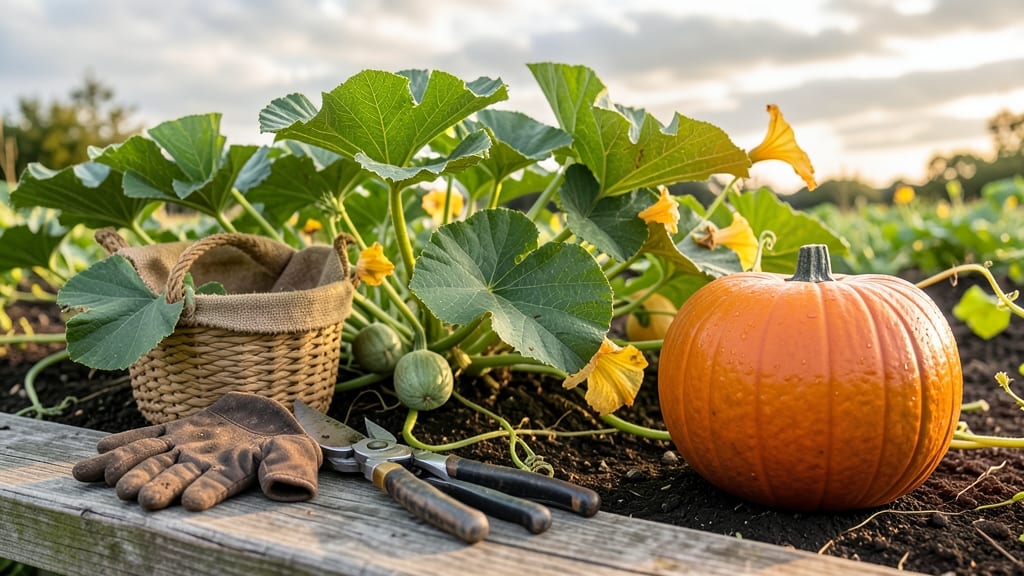
Harvesting pumpkins too soon or too late can turn your hard work into a mushy mess or a rotting pile—knowing how long to harvest pumpkins is the secret to a perfect 🎃 every time.
If you’ve ever wondered why your pumpkins stay lumpy and underwhelming despite weeks of growth, timing is everything. Harvesting too early means soft flesh and poor flavor, while waiting too long risks rot and pest problems.
The key? Watching for a hard rind, a dry stem, and deep color—signs that tell you the moment is right.
In Zone 6, most pumpkins take 75 to 100 days to mature, but environmental factors like sunlight and temperature can speed up or slow down ripening.
That’s why relying on days alone isn’t enough—you’ll also need to check for those telltale cues, like a stem that snaps easily and a skin that resists your fingernail.
Below, I’ll break down the exact visual and tactile clues to spot, how to adjust for your specific variety, and what to do if you miss the window. By the end, you’ll never second-guess when to pick your pumpkins again.

Signs your pumpkin is ready for Harvest (beyond days to maturity)
Counting days to maturity is helpful, but it’s not foolproof—environmental factors like sunlight intensity and temperature swings can speed up or delay ripening. Instead, focus on visual and tactile cues that show your pumpkin is truly ready. These signs are more reliable than calendar-based estimates, especially in unpredictable growing seasons.
First, check the rind hardness. A ripe pumpkin’s skin should be too tough to pierce with your fingernail. Press gently—if it feels like a hard plastic shell, it’s ready. Avoid testing with sharp tools, as this can damage the fruit and create entry points for rot.
Next, examine the stem condition. The stem should begin drying out, turning brown and papery. If it’s still green and firm, your pumpkin needs more time. This drying process signals the plant is redirecting energy to seed maturation, a key indicator of ripeness.
The color change is another critical clue. Most pumpkin varieties develop a deep, uniform hue when fully ripe. For example, Jack Be Little pumpkins turn a rich orange, while Cinderella varieties develop a creamy white with green stripes. Patchy or pale coloring means more time in the vine.
Don’t overlook the vine health. As pumpkins ripen, the vines and leaves near the fruit often yellow and die back. This natural decline shows the plant is shifting resources to the pumpkin itself. However, avoid waiting until the vines are completely dead—harvest before they collapse to prevent rot.
Here’s how environmental factors play a role: Hot, sunny days accelerate ripening, while cool, cloudy weather can delay it. In my Zone 6 garden, pumpkins often ripen 2-3 weeks earlier than the seed packet’s estimate because of our long, warm summers.
Always adjust your expectations based on your local climate.
To test readiness without damage, use the "thumb press" method. Press your thumb firmly into the rind near the stem. If it springs back slowly (like pressing a stress ball), the pumpkin is firm and ripe. If it leaves a dent, it’s still too soft.
| Sign | What to Look For | Action |
|---|---|---|
| Rind Hardness | Tough, resists fingernail puncture | Harvest ready |
| Stem Condition | Dry, brown, and papery | Harvest soon |
| Color Uniformity | Deep, consistent hue (no patches) | Harvest ready |
| Vine Health | Yellowing, dying back near fruit | Harvest before collapse |
| Thumb Press Test | Rind springs back slowly | Harvest ready |
One common mistake is harvesting based on size alone. A large pumpkin isn’t necessarily ripe—it could just be overwatered or over-fertilized. Always combine size with the other cues listed above. For example, a 20-pound Atlantic Giant might look impressive but still have a soft rind if harvested too early.
If you’re growing pumpkins in containers or short seasons, pay extra attention to these signs. Container-grown pumpkins often ripen faster due to limited root space, so check for readiness 1-2 weeks earlier than the packet’s estimate.
In cooler climates, extend the season by using row covers to trap heat and speed up ripening.
Once you’ve confirmed ripeness, harvest on a dry, sunny day to allow the rind to harden further. Use a sharp knife or pruning shears to cut the stem, leaving a 3-inch stem attachment to help the pumpkin cure properly.
Store harvested pumpkins in a cool, dry place with good airflow to prevent rot.
How long to Harvest pumpkins by variety: fast-growing vs. slow-ripening types
Not all pumpkins ripen on the same timeline, which means your harvest window can vary dramatically depending on the variety you're growing. Fast-growing types like Jack Be Little might be ready in as few as 75 days, while giants like Atlantic Giant need up to 120 days or more.
Understanding these differences helps you plan better, especially in short-season climates where frost arrives early.
Climate plays a huge role too. In Zone 6, where frost typically hits by mid-October, fast varieties are your best bet. But in warmer zones (8-10), even slow-growing types can mature fully.
The key is knowing your last frost date and matching it with the right variety to avoid losing your crop to cold weather.
| Variety | Days to Maturity | Actual Harvest Window (Days) | Best For | Climate Zones |
|---|---|---|---|---|
| Jack Be Little | 75-85 | 75-90 | Short seasons, containers | 3-7 |
| Sugar Pie | 80-90 | 80-100 | Pie pumpkins, short seasons | 4-8 |
| Cinderella | 90-100 | 90-110 | Medium seasons, carving | 5-9 |
| Howden | 100-110 | 100-120 | Long seasons, large pumpkins | 6-10 |
| Atlantic Giant | 120+ | 120-150+ | Extreme heat, long seasons | 9-11 |
For fast-growing varieties, focus on early planting (as soon as soil is workable) to maximize daylight. In short-season areas, use black plastic mulch to warm the soil and extend the growing period by 1-2 weeks.
For slow varieties, prioritize heat-loving zones (8-10) where they can fully mature before frost.
If you're in a transitional zone (5-7), consider starting seeds indoors 4-6 weeks before your last frost date. This gives fast varieties a head start, while slow ones benefit from a longer outdoor season.
Always monitor your pumpkins' stem drying and skin hardness—these cues matter more than days alone.
Pro tip: In cooler climates, harvest pumpkins slightly earlier (when 75% ripe) and cure them indoors under bright light. This mimics a longer growing season and helps them reach full maturity. Just avoid harvesting when frost is forecasted within 48 hours, as cold damage ruins the flesh.
🎃