
How To
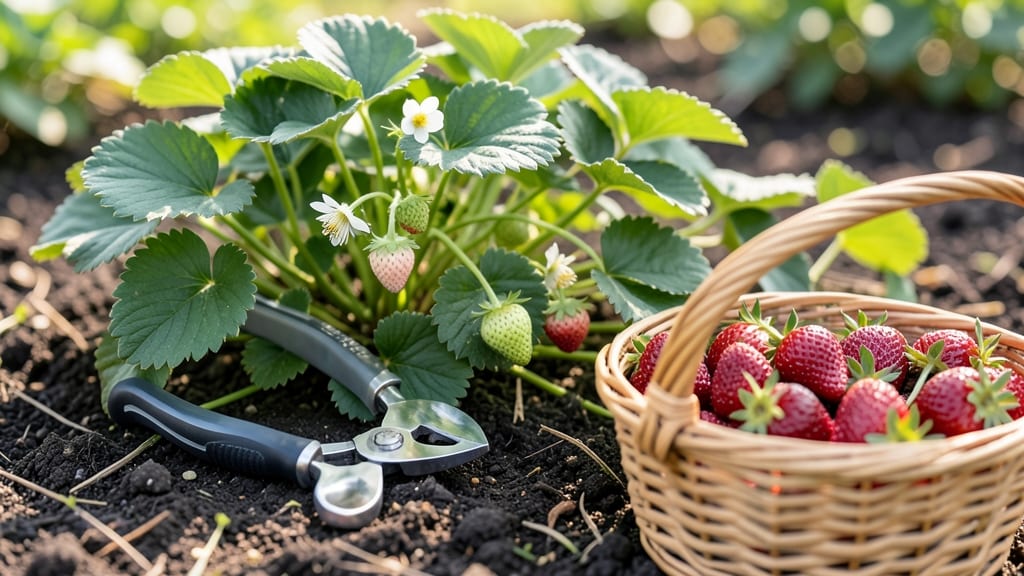
Harvesting strawberries at the right time transforms a juicy, sweet reward into a mealy, disappointing bite—so knowing how long to wait for peak ripeness is the secret to a bountiful harvest.
Picture this: you’ve nurtured your 🍓 strawberries all season, but picking too early means tart, underripe fruit, while waiting too long risks bird raids or overripe mush. The difference between these outcomes? Timing—and the little visual and tactile cues most gardeners miss.
From the first blush of pink to the deep, even red of a ripe berry, strawberries go through distinct stages. I’ll walk you through the exact ripeness tests—color, firmness, and even scent—that guarantee you pick them at their absolute best, whether you’re in USDA Zone 6a or beyond.
You’ll also discover how to extend your harvest window, troubleshoot common mistakes, and keep your plants producing consistently sweet berries from June through August. Let’s make sure every bite is worth the wait!

Strawberry ripening stages: visual & tactile tests for perfect harvest timing
Knowing exactly when to harvest strawberries transforms your garden from a hit-or-miss operation to a flavor-packed success. Strawberries don’t ripen uniformly, so each berry must be evaluated individually.
The ripening process moves through distinct stages—green, white, pink, and red—each with unique cues that tell you whether to wait or pick. Missing these signs means sacrificing sweetness for tartness or worse, a mealy, overripe mess.
I’ve learned the hard way that color alone isn’t enough—a strawberry can look red but taste bland if it’s not fully ripe. The key lies in combining visual cues, texture tests, and scent checks.
For example, a deep red hue paired with a slight give when squeezed and a sweet aroma guarantees peak flavor. But if the berry feels hard or lacks fragrance, it’s not ready yet. Mastering these tests ensures you harvest strawberries at their sweetest every time.
| Stage | Color | Texture | Scent | Harvest Window |
|---|---|---|---|---|
| Green | 🟢 Solid green | Hard, firm | None | Not ready |
| White | 🟡 Pale yellow/white | Slightly softening | Mild, sweet | Wait 1-2 days |
| Pink | 🟡🔴 Half red | Firm but yielding | Sweet, strong | Ready to pick |
| Red | 🔴 Fully red | Soft, plump | Intense sweetness | Harvest now! |
| Overripe | 🔴 Dark red with bruises | Mushy, leaking | Fermented smell | Avoid |
The green stage is where strawberries start their journey, but they’re far from edible. These berries are tough, flavorless, and often bitter. If you pick them now, you’ll end up with a watery, bland mess.
Instead, wait for the color to shift to white or pale yellow, signaling the beginning of sugar development. At this point, the berry might still feel firm, but the scent becomes noticeably sweeter—a clear sign it’s on its way to ripeness.
By the time strawberries reach the pink stage, they’re halfway to harvest readiness. The color shifts to a mix of red and green, and the texture softens just slightly. This is where many gardeners make their first mistake: picking too early.
A gentle squeeze test here is crucial. If the berry gives way slightly but doesn’t feel mushy, it’s almost ready. The scent should be strongly sweet, almost perfuming the air around it. If not, wait another day or two.
When strawberries hit the fully red stage, they’re at their peak. The color should be even and deep, with no green patches. The texture is plump and slightly soft—like a ripe peach—yet still holds its shape.
The scent is overpoweringly sweet, almost like candy. This is your golden window for picking. If you harvest now, you’ll enjoy the juiciest, sweetest strawberries possible. But act fast—these berries won’t wait long once they reach this stage.
Overripe strawberries are a gardener’s worst nightmare. They turn a dark, uneven red, often with bruises or soft spots.
Factors that affect strawberry harvest time: climate, variety & care mistakes
Your strawberries might be ready to pick, but climate conditions can shift harvest timing by weeks. Cool spring weather slows ripening, while hot summer days accelerate it—sometimes too fast. I’ve seen June-bearing varieties ripen in late May during heatwaves, while everbearing types may stretch harvests into October with proper care.
Understanding these factors helps you avoid picking berries that are still underripe or letting them rot on the vine.
Another critical factor is sunlight exposure. Strawberries need 6+ hours of direct sun daily, but inconsistent sunlight—like afternoon shade from trees—can delay ripening. I once had a patch in partial shade that took 2 weeks longer to harvest than my fully sunlit bed.
Even 1-2 hours less sun can reduce sugar content and fruit size, making your harvest less flavorful.
Soil conditions also play a surprising role. Well-draining, slightly acidic soil (pH 5.5–6.8) speeds up ripening, while compacted or waterlogged soil slows it down. I’ve noticed my raised beds produce ripe berries 5–7 days faster than in-ground plots because they warm up quicker in spring.
Amending soil with compost before planting ensures your strawberries get the nutrients they need to ripen efficiently.
Watering habits are where many gardeners go wrong. Overwatering can cause berries to split or develop fungal diseases, while underwatering stresses plants and delays ripening. I learned this the hard way when my everbearing variety produced small, tart berries because I watered inconsistently.
Aim for 1 inch of water per week, delivered in the morning to reduce evaporation and disease risk.
⚠️ Common Mistakes That Delay Strawberry Harvests
- Picking too early: Berries turn red but taste bland if harvested before fully ripened. Wait for deep color and a slight softness.
- Inconsistent sunlight: Moving plants or new shade trees can stall ripening mid-season. Monitor sunlight changes.
- Overwatering: Wet foliage encourages gray mold, slowing fruit development. Water at soil level.
- Ignoring variety needs: Day-neutral types ripen faster in heat than June-bearing varieties. Adjust expectations.
Pro Tip: Use a harvest journal to track ripening times by variety and climate conditions.
Even the strawberry variety you choose affects harvest timing. June-bearing types produce one massive crop in early summer, while everbearing and day-neutral varieties offer staggered harvests. I grow Albion (everbearing) alongside Chandler (June-bearing) to extend my season from June to September.
Mixing varieties ensures you’re always harvesting something, but it also means tracking multiple ripening schedules.
Don’t forget about pruning and maintenance. Removing old leaves and runner plants redirects energy to fruit production, speeding up ripening. I prune my strawberries in early spring and after the first harvest to keep plants healthy and productive.
Neglecting this step can lead to smaller, slower-ripening berries as the plant focuses on foliage instead of fruit.
By paying attention to climate, sunlight, soil, watering, and variety, you’ll master the art of timing your strawberry harvest. The key is observation—watch your plants, adjust care as needed, and enjoy berries at their peak flavor and texture.
With these factors in check, you’ll never again wonder, "Are my strawberries ready to pick?" 🌱