
How To
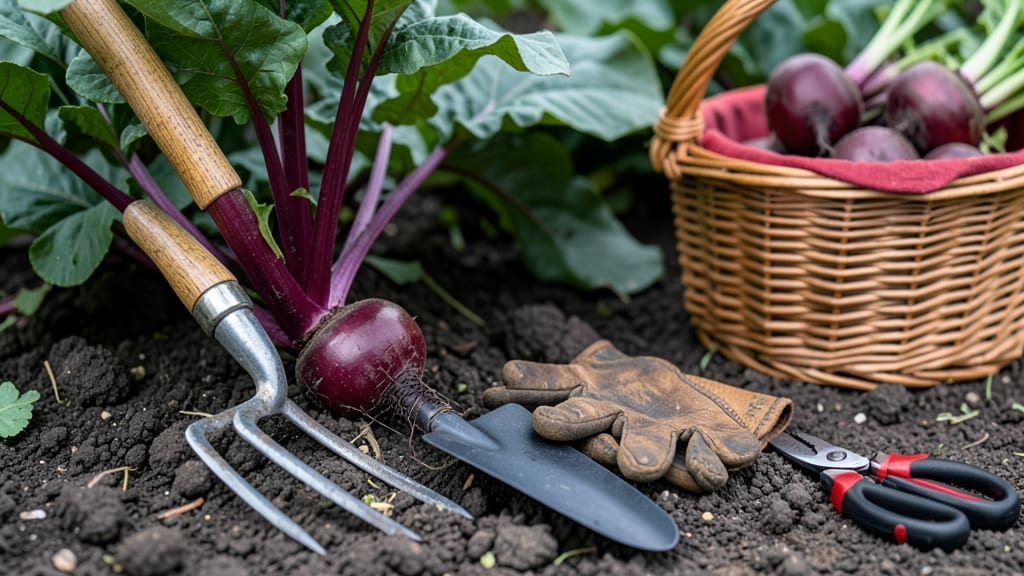
Harvesting and storing beets properly keeps them sweet, crisp, and ready for your kitchen all season 🍠 — and skipping these steps means ending up with tough, bitter roots that spoil too soon.
Beets harvested at the wrong time can turn woody, bitter, or spoil faster—so knowing the perfect moment to pull and store them is key to enjoying sweet, crisp roots all season long.
Whether you’re growing 1-inch baby beets or letting them mature to 3 inches, the right timing and storage method makes all the difference. Below, I’ll walk you through when to harvest, how to prep them, and the best ways to store them for weeks (or even months).
You’ll learn the exact signs your beets are ready, how to handle the greens, and which storage method—refrigeration, root cellar, or freezing—works best for your setup.

When and how to harvest beets for optimal texture and flavor
Timing your beet harvest is everything—pull them too early, and you’ll get tiny, underdeveloped roots. Wait too long, and they’ll turn tough, fibrous, or bitter. The secret lies in watching for size, color, and soil cues that signal peak sweetness and tenderness.
I’ve learned that child beets (harvested young) and mature roots (left longer) each have their own ideal window, and knowing the difference can transform your harvest from bland to extraordinary.
For child beets, aim for a root diameter of 1 to 2 inches and leafy tops reaching 2 to 3 inches tall. These tiny beets are perfect for quick cooking or pickling, offering a delicate, almost candy-like sweetness.
If you’re growing larger varieties like Detroit Dark Red or Golden Beets, wait until the roots swell to 2 to 3 inches—this is when their texture becomes firm yet tender, and their flavor deepens into rich, earthy notes.
Visual cues are your best friends when harvesting beets. Look for vibrant green leaves without yellowing or wilting, a sign the plant is thriving. The soil around the roots should also be loose and easy to dig, not compacted or rocky.
If the tops suddenly wilt or the leaves start turning yellow, it’s a red flag—your beets may be bolting (going to seed) or stressed, which ruins flavor and texture.
Pro tip: Harvest on a cool, overcast day to reduce stress on the plant. This helps preserve the beet’s moisture and sweetness. If you’re unsure whether a beet is ready, gently squeeze the root—it should feel firm but yield slightly, like a ripe avocado.
If it’s rock-hard or spongy, it’s past its prime.
| Harvest Stage | Root Size | Leaf Size | Flavor Profile | Best Uses |
|---|---|---|---|---|
| Child Beets | 1–2 inches | 2–3 inches tall | Sweet, mild, tender | Pickling, quick cooking, salads |
| Mature Roots | 2–3 inches | 3–4 inches tall | Rich, earthy, firm | Roasting, soups, long-term storage |
| Overmature | 3+ inches | Yellowing leaves | Woody, bitter | Avoid—discard or compost |
To harvest, use a garden fork or trowel to gently loosen the soil around the beet, then grasp the leafy tops and pull upward with steady pressure. Avoid twisting, which can bruise the root.
Once pulled, shake off excess dirt and trim the greens to ½ inch above the root—this prevents them from drawing moisture back into the beet, which speeds up spoilage. For long-term storage, leave the greens attached if you plan to use them within a few days.
Did you know? The greens are edible and packed with nutrients like iron and vitamin C. If you’re not using them immediately, chop and store them separately in the fridge for up to 5 days.
I like to sauté them with garlic and olive oil for a quick side dish—it’s a great way to reduce waste and add extra flavor to your meals.
After harvesting, rinse the beets only if necessary—excess moisture encourages rot. For short-term storage (up to 1 week), keep them in a plastic bag in the fridge’s crisper drawer.
For longer storage, see my next section on root cellaring or freezing techniques, which can extend their shelf life for months.
One common mistake I see is harvesting beets when the soil is too dry or too wet. Dry soil makes roots tough, while waterlogged soil causes them to split or rot.
Always check soil moisture before pulling—it should feel like a damp sponge, not hard or muddy. If you’re unsure, dig a small test hole nearby to assess conditions.
For continuous harvests, plant beets in succession every 2 weeks during the growing season. This ensures a steady supply of fresh, tender roots without overcrowding. I’ve found that late summer plantings often yield sweeter beets, as cooler temperatures slow their growth and concentrate their sugars.
Finally, if you’re growing beets for seed production, let a few mature fully and bolt—this is how you save seeds for next year. But for table use, always harvest at peak ripeness to enjoy the best texture and flavor.
With the right timing, your beet harvest can last from early summer through fall, giving you a steady supply of vibrant, nutritious roots.
Best storage methods for beets: short-term vs. long-term solutions
Once you've harvested your beets at the perfect time, proper storage keeps them fresh and flavorful. The method you choose depends on how soon you plan to use them—whether it's a few days or several months. Short-term storage works for quick use, while long-term solutions preserve beets for winter meals.
Let's explore the best options for your harvest.
For short-term storage, refrigeration is the simplest method. Simply trim the greens and store the roots in a plastic bag in the crisper drawer. This keeps beets fresh for 1-2 weeks.
However, if you're planning to store them longer, other methods like root cellaring or freezing become essential. Each method has its own benefits and ideal conditions.
| Method | Preparation | Storage Conditions | Shelf Life | Best For |
|---|---|---|---|---|
| Refrigeration | Trim greens, leave skins intact | Plastic bag, crisper drawer (32-40°F) | 1-2 weeks | Short-term use, quick meals |
| Root Cellar | Cure roots 24 hours, remove greens | 50-60°F, 85-90% humidity, dark | 3-5 months | Long-term, bulk storage |
| Freezing | Peel, slice, blanch 2 mins | Air-tight bags, 0°F | 10-12 months | Cooking, soups, extended use |
| Fermenting | Slice, salt, pack in brine | Room temp (60-70°F), covered | 6-12 months | Probiotics, extended flavor |
For long-term storage, a root cellar is ideal if you have one. Cure your beets for 24 hours to toughen the skin, then store them in sand or sawdust at 50-60°F with high humidity.
This method preserves beets for 3-5 months, making them perfect for winter storage. Just avoid stacking them too tightly to prevent bruising.
If you're looking to preserve beets for even longer, freezing is a great option. Peel and slice your beets, then blanch them for 2 minutes before shocking in ice water.
Package them in air-tight bags and store at 0°F. Frozen beets retain their flavor for 10-12 months, perfect for soups, stews, or roasted dishes.
For those who enjoy fermented foods, pickling or fermenting beets adds a tangy twist. Slice your beets, pack them in a jar with salt and spices, then cover with brine. Store at room temperature for 1-2 weeks before refrigerating.
Fermented beets stay fresh for 6-12 months and add probiotics to your diet. This method is best for small batches due to space constraints.
Avoid storing beets with ethylene-producing fruits like apples or bananas, as this speeds up spoilage. Also, never wash beets before storing—this adds moisture and encourages rot.
Instead, use a damp cloth to clean them just before use. With the right method, you can enjoy your homegrown beets all year round! 🌱