
How To
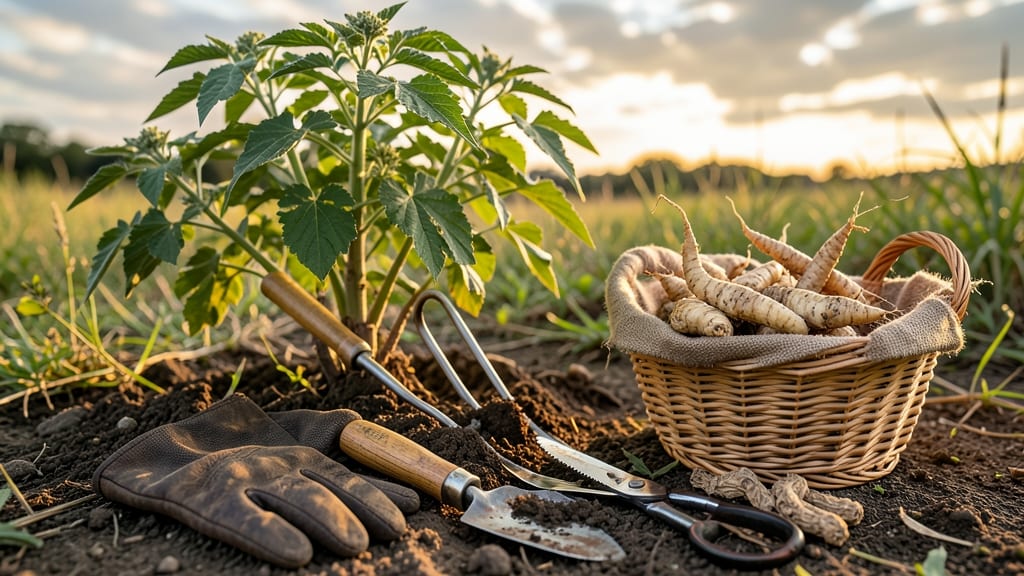
To harvest ashwagandha at its peak potency, focus on root size and soil moisture—two factors that make or break the quality of your medicinal crop.
Picture this: you’ve nurtured your 🌱 ashwagandha for months, only to dig up fibrous, underdeveloped roots or bitter-tasting leaves. The difference between a high-value harvest and a wasted effort often comes down to timing and technique.
In this guide, I’ll walk you through the exact root diameter to aim for, how to test soil moisture like a pro, and the best seasonal window for harvesting—whether you’re growing in Zone 6 or warmer climates.
Spoiler: the roots should be thick enough to grip (about 1.5–2 inches), and the soil should feel damp but not soggy.
You’ll also discover how to process and store your harvest to preserve those precious adaptogenic compounds, plus common mistakes that drain potency faster than you’d think. Ready to turn your garden into a pharmacy?

When to harvest ashwagandha roots: root size and seasonal timing guide
Timing your ashwagandha harvest is everything—dig too early, and you’ll miss potency-rich roots. Too late, and they become woody or bitter. The ideal harvest window starts 6–8 months after planting, when roots reach 1.5–2 inches in diameter and leaves show subtle yellowing at the edges.
This 4-week window after flowering ensures maximum withanolide content, the compound behind ashwagandha’s stress-relieving benefits.
Look for dark green, slightly wrinkled leaves as your first clue. These indicate the plant has redirected energy from foliage to root growth—a natural signal that roots are ready. Pair this with soil temperatures between 65°F–75°F, which is when roots swell with stored nutrients.
In USDA Zones 6–10, this typically falls in late September–October, just before frost.
Never harvest when soil is waterlogged or bone-dry. Roots need consistent moisture for 2 weeks before digging—think of it like preparing for a marathon. Overwatered soil leads to pithy, hollow roots, while drought stress causes them to shrink and lose potency.
Test soil moisture by squeezing a handful: it should hold shape but not drip water.
| Harvest Indicator | Specification | Action |
|---|---|---|
| Root Diameter | 1.5–2 inches | Use a ruler to measure at soil level |
| Leaf Color | Dark green with slight yellow edges | Check 3–4 leaves per plant |
| Soil Temperature | 65°F–75°F | Use a soil thermometer at root depth |
| Time After Flowering | 4 weeks | Mark flowering date with a stake |
| Seasonal Window | Late September–October (Zones 6–10) | Avoid frost—roots freeze easily |
For container-grown ashwagandha, harvest when roots fill the pot’s lower third or grow through drainage holes. Gently squeeze the pot’s sides—if roots resist, they’re ready. In warmer zones (9–10), you can harvest year-round, but aim for dry seasons when plants naturally slow growth and redirect energy to roots.
Mistake alert: Never harvest after frost. Frozen roots turn mushy and lose up to 30% of their adaptogenic compounds. If frost threatens, cover plants with row fabric and delay harvest by 2 weeks.
Prioritize roots over leaves—once you dig, the plant’s energy shifts to regrowth, reducing root quality for future harvests.
Use a pruning fork or trowel to loosen soil around roots before pulling gently. Shake off excess dirt to check for firm, carrot-shaped roots with minimal branching. Discard any roots with black spots or soft areas, as these indicate rot.
Store harvested roots in a paper bag in a cool, dark place for 24 hours before processing.
Pro tip: Harvest in the morning when roots are hydrated and full of nutrients. Avoid rainy days—wet soil compacts and damages roots. If you’re unsure about timing, dig one test root and slice it open: a creamy-white center means it’s ready; a hollow core means it’s past prime.
After harvest, let plants rest for 2 months before fertilizing again. This gives roots time to recover and prevents nutrient depletion, which weakens next year’s yield. In Zone 6, this means waiting until mid-November to apply a low-nitrogen fertilizer to stimulate new root growth for spring.
🌱
Soil moisture and environmental checklist for perfect ashwagandha harvest
Getting your ashwagandha harvest right starts with understanding its soil moisture needs. Too dry, and you risk stunted roots with low potency. Too wet, and you invite rot that ruins your entire crop.
The key is finding that perfect balance where roots develop thick, fleshy structures packed with adaptogens.
I always test soil moisture using the finger probe method—simply push your finger 1-2 inches into the soil. If it feels damp but not soggy, your ashwagandha is ready for harvest. Ideal soil pH between 6.5–7.5 also ensures optimal nutrient uptake for maximum withanolide production.
⚠️ Warning: Over/Under-Watering Destroys Potency
Drought stress causes roots to shrink and lose withanolides, while waterlogging triggers fungal rot. Check for:
- 🟡 Wilting leaves = Under-watered (harvest too early)
- 🟢 Damp soil = Ideal moisture (harvest now)
- 🔴 Mushy stems = Over-watered (harvest canceled)
Pro tip: Mulch with straw to maintain even moisture.
Start your moisture checks in the morning when soil is coolest. Ashwagandha thrives with consistent hydration, so aim for 1-2 cups of water per plant every 3-5 days. In Zone 6, reduce watering as temperatures drop below 60°F to prevent root rot.
Pay attention to leaf color as your final indicator. Healthy dark green leaves mean your plant is ready, while yellowing edges signal either overwatering or nutrient deficiency. Always harvest on a dry, sunny day to let roots dry slightly before processing.
For pH testing, use a simple soil kit or vinegar/baking soda test. If your soil tests below 6.5, amend with lime. Above 7.5? Add sulfur or peat moss. Remember, optimal pH directly impacts how well your ashwagandha absorbs calcium and magnesium—key for root development.
After harvest, monitor your plant's recovery. Proper soil moisture management during regrowth ensures your ashwagandha will produce a second crop. I've seen plants bounce back beautifully when given balanced care—just don't overdo the watering in the weeks after harvest.