
How To
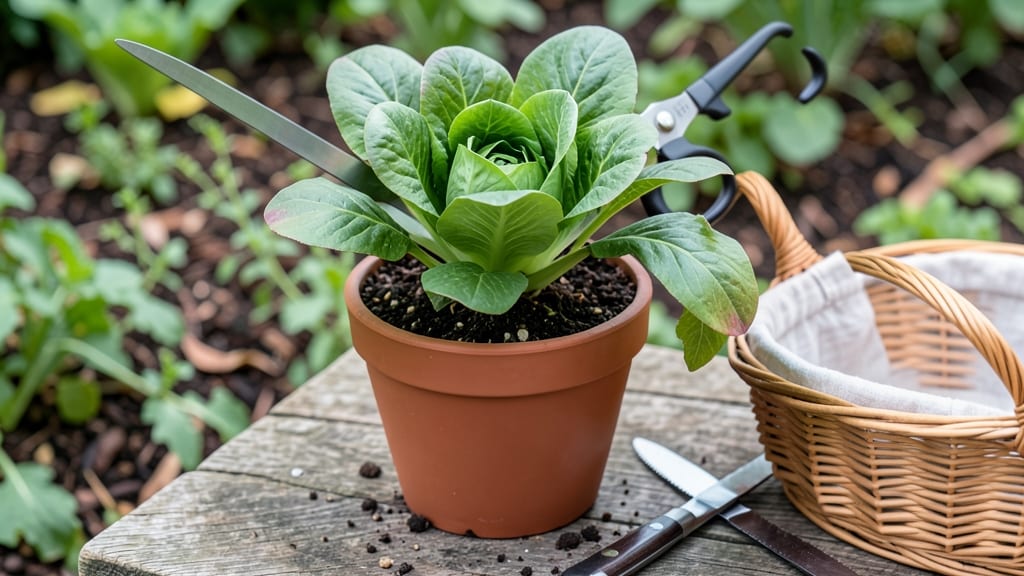
Harvesting bib lettuce at the right time ensures those crisp, sweet leaves stay fresh and flavorful—here’s exactly how to do it without wasting a single bite.
Picture this: you’ve nurtured your 🥬 plants for weeks, only to pull a bitter, wilted head from the garden. That’s the difference between a perfect harvest and a disappointing one. The key? Knowing when those leaves are ready—and how to pick them without damaging the plant.
You’ll learn to spot three clear signs of readiness, whether you’re cutting for salads or letting the plant regrow. Plus, I’ll show you the best tools and techniques to keep your lettuce tasting fresh for days, even after harvest.
From avoiding common mistakes to storing your bounty, this guide turns your garden into a steady supply of homegrown goodness—no more store-bought salads when your own 🥬 is this easy to master.

When to harvest bib lettuce: 3 visual cues for perfect timing
Harvesting bib lettuce at the right moment transforms your garden effort into crisp, flavorful salads. Unlike other greens, bib lettuce rewards precision—harvest too early, and you’ll miss its full potential; wait too long, and the leaves turn bitter.
The key lies in three visual cues: leaf size, color, and growth pattern. Master these, and you’ll enjoy a continuous harvest all season long.
First, focus on leaf size as your primary indicator. Ideal bib lettuce leaves reach 4-6 inches long, fully unfurled but still tender. Smaller leaves mean underripe lettuce, while larger ones signal overgrowth.
Use a ruler to check—if most outer leaves hit that 4-inch mark, it’s time to harvest. This size ensures maximum crispness and sweetness without the bitterness that creeps in as leaves mature.
Next, examine the leaf color. Perfect bib lettuce boasts deep, vibrant green leaves with no yellowing or browning. A slight reddish tint along leaf edges is normal for some varieties, but avoid harvesting if you spot yellow patches—this signals stress or overmaturity.
Run your fingers over the leaves; they should feel firm and crisp, not soft or floppy.
Finally, observe the growth pattern. A ready-to-harvest bib lettuce head forms a loose, open structure with leaves spreading outward. If the head stays tightly closed, it’s not mature enough.
Conversely, if the core starts to harden or bolt (sending up a flower stalk), you’ve waited too long. This bolt stage ruins the flavor and texture, making the lettuce inedible.
| Harvest Stage | Leaf Size | Leaf Color | Growth Pattern | Flavor & Texture |
|---|---|---|---|---|
| Too Early | 1-3 inches | Pale green | Tightly packed | Mild but soft |
| Perfect Timing | 4-6 inches | Deep green | Loose, open head | Crisp, sweet |
| Overmature | 6+ inches | Yellow/brown edges | Bolted or woody core | Bitter, tough |
Pro tip: For continuous harvests, use the cut-and-come-again method. Snip the outer leaves when they reach 4 inches, leaving the inner leaves to grow. This technique extends your harvest by 3-4 weeks while keeping the plant productive.
Just avoid cutting more than one-third of the plant at a time to prevent stress.
Heat and drought stress can accelerate bolting, so monitor your bib lettuce closely during late spring. If your garden experiences temperatures above 80°F, consider harvesting earlier or providing afternoon shade to delay bolting.
Mulching with straw also helps maintain even soil moisture, reducing stress signals that trigger early flowering.
One common mistake is harvesting by calendar days instead of visual cues. While bib lettuce typically matures in 30-60 days, environmental factors like soil fertility and light levels can shift this timeline. Always prioritize the three visual cues over guesswork—your taste buds will thank you!
After harvesting, rinse the leaves under cool water to remove dirt and debris, then pat dry with a clean towel. Store in a perforated plastic bag in the fridge for up to 5-7 days.
For longer storage, wrap the lettuce in a damp paper towel before bagging to maintain crispness. This simple step keeps your harvest fresh for 10-14 days without wilting.
Now that you’ve mastered the art of timing, your bib lettuce will deliver crisp, sweet leaves all season. Happy harvesting—your next salad is about to get a whole lot fresher! 🥬
Step-by-step harvesting methods for bib lettuce: cut-and-come-again vs. full harvest
Bib lettuce thrives when you use the right harvesting method for your goals. The cut-and-come-again technique extends your harvest season by encouraging regrowth, while a full harvest ensures you save seeds or enjoy a single, perfect head.
Both methods require precision to avoid damaging the plant or sacrificing flavor. Let’s break down the steps to maximize your bib lettuce yield without common pitfalls like bolting or bitterness.
Before harvesting, always check for maturity signs: leaves should be 4-6 inches long, deep green, and crisp with no yellowing edges. Avoid harvesting when temperatures exceed 80°F (27°C), as this triggers bolting.
Use sharp, clean scissors or a knife to prevent tearing leaves, which can invite pests or disease. Now, let’s dive into the two proven methods.
Step-by-Step Harvesting Methods
- 1. Choose Your Method:
- Cut-and-Come-Again: Ideal for continuous harvests. Cut outer leaves at the base, leaving the inner leaves to regrow.
- Full Harvest: Best for seed saving or a single, large head. Cut the entire head 1 inch above the soil when fully mature.
- 2. Gather Tools:
- Sharp pruning shears or a clean knife
- Glove (optional, for hygiene)
- Container for storage (e.g., mesh bag or plastic bin)
- 3. Harvest Outer Leaves (Cut-and-Come-Again):
- Snip leaves 1-2 inches from the base, targeting the largest, outermost leaves first.
- Avoid removing more than 1/3 of the plant at once to prevent stress.
- Leave the inner heart intact to regrow.
- 4. Harvest Full Head (Full Harvest):
- Hold the head firmly and cut cleanly at a 45° angle, 1 inch above the soil.
- Include the entire rosette for seed saving or a single harvest.
- Discard any yellow or wilted leaves immediately.
- 5. Post-Harvest Care:
- Rinse leaves gently under cool water to remove dirt.
- Pat dry with a clean towel or salad spinner to prevent rot.
- Store in a perforated plastic bag in the fridge for up to 7 days.
- 6. Encourage Regrowth (Cut-and-Come-Again Only):
- Water the base deeply after harvesting to support regrowth.
- Apply a light fertilizer (5-10-10) if leaves look pale.
- Harvest again in 2-3 weeks for a second yield.
- 7. Avoid Common Mistakes:
- Don’t harvest in direct sunlight—it causes wilting.
- Avoid pulling leaves—this damages the plant.
- Never harvest bolting lettuce—it’s bitter and past its prime.
For cut-and-come-again success, focus on consistency. I’ve found that harvesting every 7-10 days keeps my bib lettuce productive for 6-8 weeks per planting. If you’re after a single, showstopping head, opt for the full harvest method when leaves reach 6 inches and the core feels firm.
Either way, timing and technique are everything—skip these steps, and you’ll end up with a sad, bitter pile of leaves instead of crisp, sweet salads.
Pro tip: Use a small mirror to check the undersides of leaves for pests before harvesting. I’ve caught aphids early this way and saved multiple harvests. After harvesting, I always rinse my tools with rubbing alcohol to prevent cross-contamination between plants.
Small habits like these make a big difference in your garden’s health and yield.
Remember, bib lettuce is forgiving but finicky. If you harvest too aggressively, the plant may bolt prematurely or develop a tough core. Balance is key—aim for a gentle, frequent approach with cut-and-come-again, or go all-in for a single, spectacular harvest.
Either method will reward you with homegrown goodness straight from your garden to your plate.
🥬