
How To
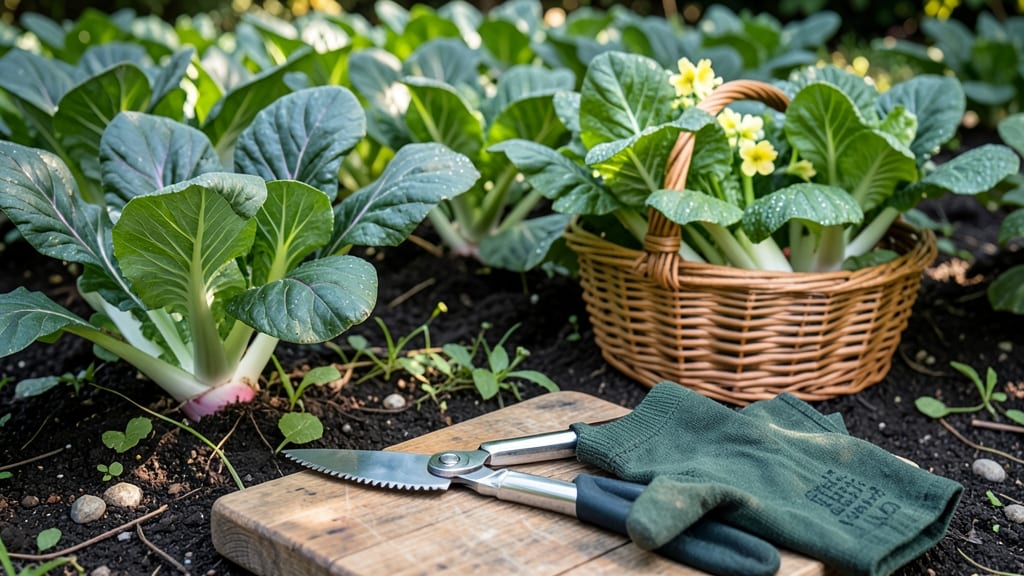
To harvest bok choi 🥬 properly means cutting at the right time and using the cut-and-come-again method to keep your plants producing for weeks.
Bok choi is one of the fastest-growing greens in your garden, but knowing when and how to harvest it determines whether you enjoy a single bounty or a steady supply all season long.
Most gardeners make the mistake of harvesting the whole head at once, which ends the plant’s life cycle. Instead, focus on cutting outer leaves when they reach 6-8 inches—this triggers regrowth and extends your harvest window by 3-4 weeks.
In this guide, I’ll walk you through the exact steps to harvest bok choi without sacrificing future yields, plus storage tips to keep your greens crisp for up to a week.

When and how to harvest bok choi for maximum yield
Bok choi thrives as a cut-and-come-again crop, meaning you can harvest outer leaves repeatedly while the plant regrows. Timing your harvests correctly ensures continuous production and prevents bolting. The key lies in recognizing visual maturity cues and using precise cutting techniques to maintain plant health.
Most varieties reach harvestable size in 30-45 days from seeding, but don't wait until the entire head matures. For baby bok choi, harvest when leaves measure 4-6 inches tall—this encourages bushier growth. For mature heads, wait until the stems reach ½ inch thick and leaves form a compact rosette.
Here's a quick reference for ideal harvest timing and plant characteristics:
| Harvest Stage | Leaf Size | Stem Thickness | Color | Days to Harvest |
|---|---|---|---|---|
| Baby Leaves | 4-6 inches | Thin | Bright green | 21-30 |
| Mature Head | 8-12 inches | ½ inch | Dark green | 30-45 |
| Overmature | 12+ inches | Thick, woody | Yellowing | 45+ |
To harvest bok choi using the cut-and-come-again method, start by selecting the outermost leaves first. Use a sharp knife or pruners to cut just above the lowest set of leaves, leaving the central growing point intact. This encourages the plant to produce more leaves from the center.
Avoid cutting into the heart of the plant—this damages the meristem (growth center) and can kill the plant. Instead, aim to remove 30-50% of the outer leaves in each harvest.
For baby bok choi, you can harvest individual leaves as needed, but for mature plants, cutting entire leaf stalks promotes better regrowth.
After harvesting, always fertilize lightly with a balanced fertilizer (10-10-10) to replenish nutrients. Water deeply to help the plant recover, and avoid overwatering, which can cause root rot and stunt regrowth. Bok choi typically regrows in 10-14 days after a proper harvest.
One common mistake is harvesting too aggressively, which weakens the plant and reduces future yields. If you notice yellowing leaves or stunted growth after harvesting, you may have cut too much. Limit yourself to one harvest every 7-10 days per plant to maintain productivity.
For late-season harvests, allow bok choi to mature fully before cutting the entire head. This prevents bolting (flowering) and ensures the best flavor. If your plant bolts prematurely, harvest the leaves and stems immediately—they're still edible, though less tender.
Pro tip: Harvest in the morning when leaves are crisp and hydrated. Store harvested bok choi in the crisper drawer of your fridge for up to 5-7 days, or wrap in a damp paper towel to maintain freshness for 2-3 extra days.
Step-by-step cut-and-come-again harvesting process
The cut-and-come-again method is my favorite way to extend bok choi harvests for weeks. By carefully removing outer leaves instead of the whole plant, you encourage regrowth while maintaining flavor and texture. This technique works best when your plants reach 6-8 inches tall with firm stems and vibrant color.
Start harvesting when the center leaves are still tender and compact. Avoid cutting more than 1/3 of the plant at once—this ensures the remaining foliage can photosynthesize and regrow. Use sharp scissors or a knife to make clean cuts just above leaf nodes to prevent damage to the growing point.
- 1 Select outer leaves measuring 4-6 inches long, leaving the inner heart intact.
- 2 Cut leaves at a 45-degree angle 1-2 inches above the base using clean, sharp scissors.
- 3 Water immediately after harvesting to reduce stress on the plant and encourage faster regrowth.
- 4 Apply balanced fertilizer (10-10-10) at half strength 3-5 days post-harvest to support regrowth.
- 5 Repeat every 2-3 weeks until fall frost, ensuring you never remove more than 1/3 of the plant at once.
After harvesting, monitor your bok choi for regrowth signs like new leaves emerging from the center. If growth stalls, check for pests (like aphids) or nutrient deficiencies (yellowing leaves). A quick fix is to add compost tea or fish emulsion to boost nutrients.
For optimal spacing, maintain 12-18 inches between plants to allow air circulation. Crowded plants are more prone to disease and slower regrowth. If your bok choi bolts (sends up a flower stalk), harvest immediately—bolted leaves become bitter and woody.
With proper care, a single bok choi plant can yield 3-5 harvests per season. Store harvested leaves in the fridge for up to 5 days in a perforated bag to maintain crispness. Happy harvesting! 🌱