
How To
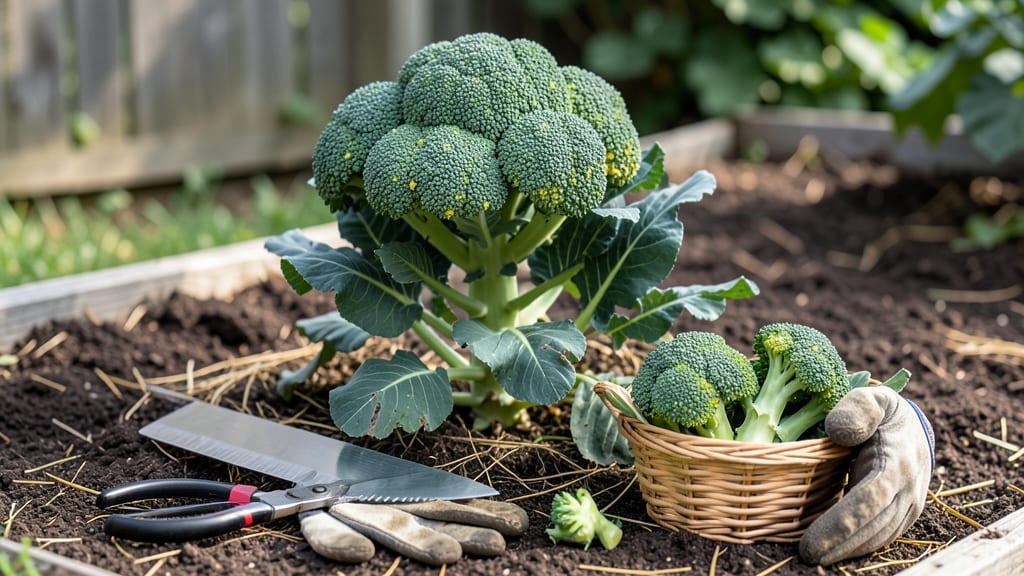
Harvesting broccoli at the right time means snagging those tender, flavorful heads before they turn tough and bitter 🥦—and the secret lies in three simple visual cues that reveal peak ripeness.
Picture this: you’re standing in your garden, staring at a head of broccoli that’s growing by the hour. One wrong move, and you’re left with a woody stalk instead of a delicious meal.
The difference between a perfect harvest and a gardening regret often comes down to timing—and those three key signs you might be missing.
In this guide, I’ll walk you through exactly what to look for—size, color, and bud tightness—to ensure you’re harvesting at the ideal moment. You’ll also learn the best way to cut your broccoli without damaging the plant, so you can keep enjoying fresh harvests all season long.
Ready to go from guesswork to garden confidence? Let’s dive into the step-by-step method that’ll have you picking broccoli like a pro.

3 Visual cues to harvest broccoli at peak flavor (before it’s too late)
Timing your broccoli harvest is everything—just a few days too early or late can turn your tender florets into tough, bitter stalks. The secret? Three simple visual cues that reveal when your broccoli heads are at their prime.
I’ve learned from years of gardening that ignoring these signs means sacrificing flavor and yield. Let’s break down what to look for before you reach for your pruners.
First, pay attention to the size of the florets. Ideal broccoli heads should measure between 4 to 8 inches in diameter. Anything smaller is underdeveloped, while larger heads often mean the florets are starting to open and turn woody.
I’ve seen gardeners harvest oversized heads only to find the center florets already turning yellow—a clear sign of missed timing.
Next, examine the color of the florets. Perfect broccoli should be a deep, vibrant green, almost like a rich emerald. If you notice yellowing at the tips or brown spots, it’s a red flag.
I once left a head too long, and by the time I noticed the yellowing, the entire plant had started bolting—turning bitter and unusable. Don’t let that happen to you!
Finally, check the tightness of the buds. The florets should be tightly packed together, almost like a closed fist. If you see any florets starting to open or spread apart, it’s time to harvest immediately.
Loose buds mean the plant is shifting energy to seed production, which is when the flavor declines and the texture becomes tough.
| Cue | Ideal Harvest Signs | Overripe/Underripe Signs |
|---|---|---|
| Size | 4-8 inches in diameter | Under 4 inches (too small) or over 8 inches (woody) |
| Color | Deep, vibrant green | Yellowing tips or brown spots |
| Bud Tightness | Tightly closed florets | Florets opening or spreading apart |
Harvesting too early can leave your broccoli underdeveloped and lacking flavor, but waiting too long leads to bitter, tough florets that are nearly inedible.
I’ve made this mistake more times than I’d like to admit—once, I thought I’d get a second harvest by leaving a head too long, only to end up with a sad, woody mess. The key is to act when the florets are still firm and closed.
If you’re growing multiple broccoli varieties, like Calabrese or Purple Sprouting, the cues remain the same, but timing can vary slightly. For example, Purple Sprouting broccoli might stay tighter for longer, but the color shift to yellow is still your warning sign.
Always prioritize the visual cues over guesswork—your taste buds will thank you!
Pro tip: Check your broccoli heads in the morning after watering. The florets will be at their crispest, making it easier to assess their readiness. I’ve found that harvesting in the early morning also extends the freshness of your crop, keeping it crisp for longer in the fridge.
Once you’ve mastered these three cues, you’ll never miss the perfect harvest window again. Your garden will reward you with flavorful, tender broccoli that’s far superior to anything you’d buy at the store.
And if you do end up with overripe heads? Don’t worry—I’ll cover how to salvage them in the next section!
Remember, broccoli is a cut-and-come-again crop, meaning you can encourage regrowth after harvesting the main head. But only do this if you’ve harvested at the right time—otherwise, you’ll be fighting a losing battle with tough stalks and poor flavor.
Step-by-step broccoli harvesting technique to preserve future growth
Harvesting broccoli correctly is an art that balances immediate yield with future regrowth. A sharp cut at the right spot encourages your plant to produce secondary heads, extending your harvest by weeks.
The secret? Precision—both in timing and technique. I’ve learned the hard way that a sloppy cut or delayed harvest can turn a thriving plant into a bitter disappointment.
Before you grab your shears, gather these essential tools: a sharp pruning knife or clean garden shears, a bucket of water to keep florets fresh, and gloves to protect your hands from thorns.
Skipping these basics leads to jagged cuts, bruised florets, and even plant stress. I once harvested with dull scissors and ended up with a plant that struggled to regrow—don’t make that mistake!
Here’s how to harvest broccoli like a pro, ensuring your plant stays healthy and productive:
Step-by-Step Broccoli Harvesting Guide
-
Step 1: Choose the Right Head
Select the largest, tightest head first—it’s the most mature. Look for deep green color and closed florets. Avoid heads with yellowing buds or loose florets; these are past their prime. -
Step 2: Position Your Tools
Hold the pruning knife or shears at a 45-degree angle, about 5-7 inches below the head. This angle prevents water from pooling on the cut stem, reducing rot risk. -
Step 3: Make the Cut
Slice cleanly through the stem with one motion. Avoid tearing—this damages the plant’s vascular system. A smooth cut ensures faster healing and better regrowth. -
Step 4: Inspect the Plant
After cutting, check for new side shoots forming near the base. These will develop into secondary heads in 3-4 weeks. If you see none, your plant may need more sunlight or nutrients. -
Step 5: Store or Use Immediately
Place harvested heads in a bucket of water in the shade to keep them crisp. For long-term storage, wrap in a damp paper towel and refrigerate for up to 5 days.
Common mistakes can turn a great harvest into a gardening fail. I’ve seen beginners pull broccoli heads instead of cutting them—this uproots the plant and kills regrowth potential. Others wait too long, letting florets yellow and bolt, which ruins flavor and attracts pests.
Even worse? Harvesting on a hot, sunny day causes florets to wilt faster.
Pro tip: Harvest in the morning when temperatures are cool. This preserves crispness and makes the cut cleaner. After harvesting, fertilize lightly with a balanced 10-10-10 mix to encourage new growth. I’ve had plants produce three harvests per season by following this routine—proof that patience and precision pay off!
With these steps, you’ll not only enjoy fresh, flavorful broccoli but also extend your plant’s productivity. Happy harvesting—your future self (and your dinner plate) will thank you! 🥦✂️