
How To
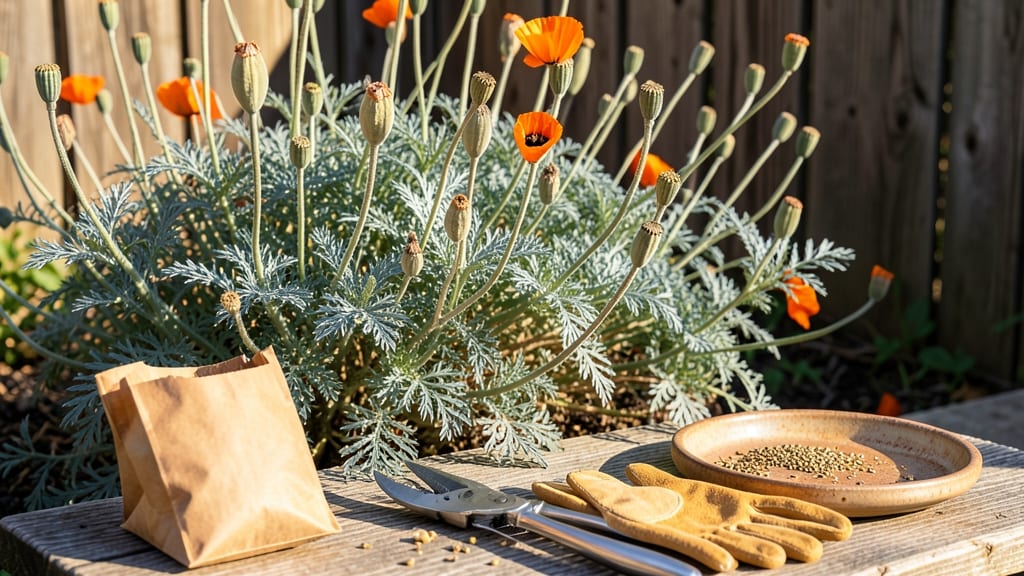
Harvesting California poppy seeds 🌼 at the right time means the difference between a bountiful stash for next year and a handful of seeds lost to the wind.
Picture this: you’ve nurtured your California poppies all season, watching their bright orange blooms sway in the breeze. But when the seed pods turn brown and start cracking open, you’ve got a tiny window—just days—to collect them before they scatter.
Miss it, and you’re left with empty pods and a lot of frustration.
Timing is everything, but so is technique. The pods need to be completely dry, the seeds dark and plump, and the weather calm. One wrong move, and you’ll end up with seeds mixed with chaff or lost to birds.
I’ve made those mistakes, and I’ll show you how to avoid them.
In this guide, I’ll walk you through exactly when to harvest, the best tools to use, and step-by-step methods to ensure you collect the most viable seeds possible. No more wasted harvests—just a steady supply of California poppy seeds ready for planting.

When to harvest California poppy seeds: pod ripeness & cracking stages
Timing is everything when harvesting California poppy seeds. These delicate pods release their seeds at the slightest breeze, so missing the optimal window means watching them scatter like confetti.
The key is watching for pod color shifts and texture changes that signal peak ripeness—usually between late spring and early summer in most climates.
Start monitoring your plants once the bright orange blooms begin to fade and seed pods form. These pods start green and firm, but as they mature, they transform into dry, papery husks.
This transition marks the critical harvesting window—a period that lasts just 1-2 weeks before seeds scatter naturally.
Color changes are your first clue. Healthy, unripe pods stay green or light green, while ripe pods turn tan or light brown. However, don’t wait until they’re fully brown—overripe pods will crack open on their own, releasing seeds to the wind or attracting hungry birds.
Texture is your second indicator. Gently press a pod between your fingers—ripe pods feel dry and papery, almost like crumpled tissue paper. If it’s still firm or slightly green, give it 3-5 more days before checking again.
The goal is to harvest when pods are dry but not brittle.
Listen for the rattle. A fully ripe California poppy pod will make a faint rustling sound when shaken gently. This happens because the seeds inside have dried completely and move freely. If you don’t hear anything, the pods need more time.
Here’s where many gardeners go wrong: they harvest too late. By the time pods crack open naturally, up to 50% of seeds may already be lost. The perfect moment is when pods are dry and slightly cracked at the seams—just before they release seeds on their own.
| Pod Stage | Color | Texture | Sound | Action |
|---|---|---|---|---|
| Unripe | Green | Firm, slightly waxy | None | Wait 3-5 days |
| Ripening | Light tan | Dry, papery | Faint rattle | Harvest soon |
| Overripe | Dark brown | Brittle, cracking | Seeds scatter | Too late—seeds lost |
The cracking stage is your final cue. Look for tiny splits along the pod seams—this means the pod is ready to release seeds. If you see this, harvest within 24 hours to prevent seed loss.
Use a clean, dry pair of scissors or your fingers to gently snip or twist pods from the stem.
Harvest on a dry, wind-free day between 9 AM and 11 AM. Morning harvests ensure pods are fully dry from overnight dew, reducing the risk of mold. Avoid harvesting after rain or in humid conditions—moisture speeds up pod decay and attracts pests.
Once harvested, spread pods on a clean, breathable surface like a paper towel or mesh screen in a shady, dry location. This allows any remaining moisture to evaporate while preventing seeds from scattering. Check pods daily—fully dry pods will release seeds easily with a gentle shake.
Pro tip: Place a white tray or sheet of paper beneath your pods to catch falling seeds. This makes collection easier and minimizes losses. Once all seeds are released, store them in a paper envelope or breathable bag in a cool, dark place until planting season.
Step-by-step California poppy seed collection techniques for high yield
Harvesting California poppy seeds at the right moment ensures a bountiful yield for next season. The key is patience—wait until the seed pods turn light brown and begin to crack naturally.
Rushing the process risks immature seeds that won’t germinate, while waiting too long means losing seeds to wind or birds.
Start your harvest on a dry, calm morning when humidity is low. This minimizes seed loss and makes handling the delicate pods easier. Avoid harvesting after rain or in windy conditions, as wet seeds stick together and dry too slowly, increasing the risk of mold or spoilage.
- 1 Gather tools: Wear gloves to protect hands, bring a clean tray or paper bag, and use scissors or pruners for cutting stems.
- 2 Select mature pods: Look for brown, papery pods that rattle when shaken. Avoid green or closed pods—they’re not ready.
- 3 Cut stems carefully: Snip 1-2 inches above the pod base to preserve the stem’s strength. Place pods in your tray immediately to prevent seed drop.
- 4 Process pods indoors: Lay pods on a clean towel in a dry, well-ventilated area. Let them dry for 3-5 days until fully brittle.
- 5 Extract seeds: Gently crush pods with your hands or a wooden spoon over a tray. Sift through debris using a fine mesh screen to separate seeds.
- 6 Store seeds: Keep seeds in a paper envelope or airtight container in a cool, dark place. Label with the harvest year for tracking.
After processing, store your seeds in a paper envelope or breathable container to prevent moisture buildup. Label each batch with the harvest year and store in a cool, dark place like a pantry or seed vault.
California poppy seeds retain viability for 2-3 years if kept dry, but germination rates drop after the first year.
For larger harvests, consider using a seed separator or fine mesh sieve to speed up the process. This tool helps remove chaff and debris efficiently, especially if you’re collecting seeds from multiple plants. Always handle seeds gently to avoid damaging their delicate outer shells, which protect the embryo inside.
If you notice mold or musty smells during storage, your seeds may have absorbed moisture. Spread them out on a paper towel to dry completely before resealing. Properly stored seeds should remain light brown and firm—never soft or discolored.
With these techniques, you’ll maximize your California poppy seed yield while ensuring high-quality seeds for next season’s garden. Happy harvesting! 🌼