
How To
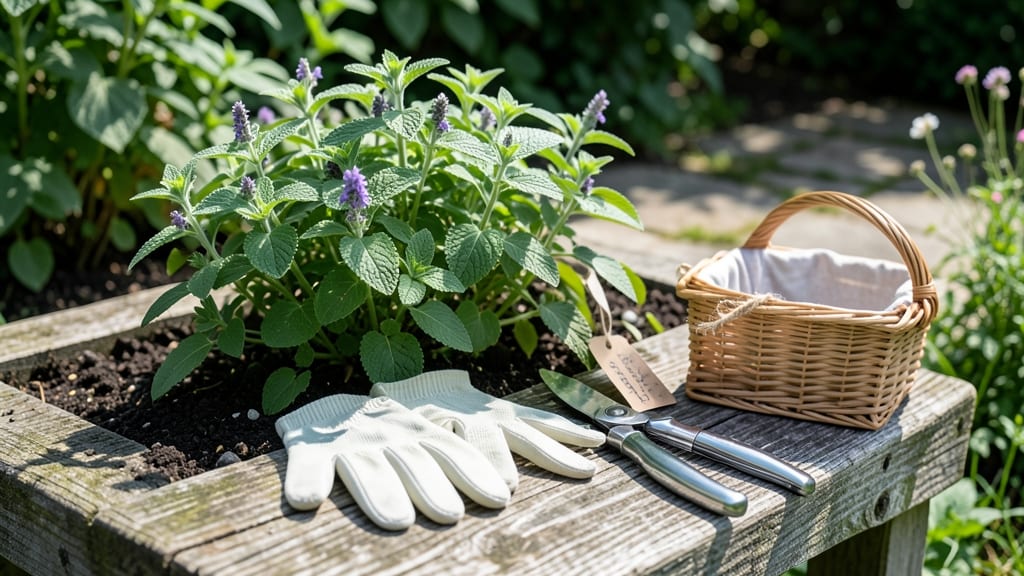
Harvesting catnip at the right stage ensures your 🐱 friends get the most potent, aromatic leaves for their toys and treats.
If you’ve grown catnip to keep your feline friends entertained, you know timing and technique make all the difference in yield—and freshness. Harvesting at the wrong stage can leave you with bitter leaves, while the right approach ensures a steady supply of high-quality catnip for months.
Most gardeners miss the best window because they don’t recognize the visual cues: fully mature leaves that are dark green and slightly fuzzy, paired with sturdy stems. Skipping this step means weaker potency and slower regrowth, so knowing when to snip is the key to a thriving plant.
In this guide, I’ll walk you through the exact timing, tools, and methods to harvest catnip without stressing your plants—plus how to dry and store it for long-lasting freshness. Ready to turn your garden into a catnip powerhouse?

Best time to harvest catnip for peak freshness and potency
Timing your catnip harvest correctly ensures the most aromatic, potent leaves for your cats—or your own herbal blends. The key is harvesting before flowering, when the plant’s nepetalactone (the compound cats love) is at its peak. Miss this window, and you risk bitter, woody stems and reduced potency.
Catnip thrives in two main harvest seasons: spring and fall. Spring harvests yield tender, fresh leaves, while fall harvests provide a second flush of growth before winter dormancy. Both seasons offer high-quality catnip, but the pre-flowering stage is non-negotiable for maximum potency.
Here’s how to spot the perfect harvest window using visual cues: look for dark green, fuzzy leaves (about 2–4 inches long) and stems that are woody but still flexible.
If you see buds forming or flowers opening, it’s too late—the leaves will taste bitter and lose their feline appeal.
Spring is the ideal season to start harvesting catnip, typically between late May and June in most climates. This aligns with the plant’s first flush of growth after the last frost.
For a fall harvest, aim for late August to September, when the plant regrows after summer heat. Both seasons avoid the bitter flowering stage if timed correctly.
Morning is the best time of day to harvest catnip. The essential oils (like nepetalactone) are most concentrated after the dew dries but before the sun peaks. Avoid harvesting after rain or late in the day, as moisture can dilute potency and encourage mold during drying.
Pro tip: Harvest catnip every 4–6 weeks to encourage continuous regrowth. Cut stems just above a leaf node (where leaves meet the stem) to promote bushier growth. This method keeps your catnip plant productive for years without sacrificing quality.
If you’re growing catnip in containers or small spaces, prioritize harvesting the outer leaves first. This allows inner leaves to mature while keeping the plant compact.
For large garden patches, use a pruning shears to cut entire stems at once, leaving about 2–3 inches of growth to sustain the plant.
Watch for over-harvesting signs: yellowing leaves, stunted growth, or bare stems. These indicate you’re taking too much too soon. A healthy catnip plant should bounce back within 2–3 weeks after a harvest if given proper sunlight and water.
For maximum potency, dry your harvested catnip within 24 hours. Hang stems upside down in a dark, well-ventilated space (like a closet or attic) for 1–2 weeks.
Once fully dried, strip the leaves and store them in an airtight container away from light. Dried catnip retains its potency for 6–12 months if stored correctly.
Hands-off catnip harvesting techniques for maximum yield
Mastering the art of catnip harvesting without damaging your plants is all about technique and timing. The key lies in using regenerative pruning—a hands-off method that encourages continuous growth while maximizing your yield.
Whether you're harvesting for your cats or drying for later use, the right approach ensures your catnip stays lush and productive for months.
Before diving in, choose the right harvesting tools. Sharp pruning shears or clean garden scissors work best—they make clean cuts that heal faster and reduce stress on the plant.
Avoid tearing leaves, as this can invite pests and diseases. For larger batches, consider a harvesting knife with a serrated edge for precision.
Here’s how to harvest catnip the hands-off way:
One of the biggest mistakes gardeners make is over-harvesting catnip. While it’s tempting to take everything at once, this can stress the plant and reduce future yields. Instead, think of harvesting as a maintenance task—like trimming your lawn—to keep your catnip thriving all season long.
For container-grown catnip, the same rules apply, but be extra cautious with root space. Since pots limit growth, harvest even more conservatively—stick to 10-15% of the plant at a time to avoid crowding roots. This ensures your potted catnip stays healthy and productive, even in small spaces.
With these hands-off techniques, you’ll enjoy a steady supply of fresh catnip all season—without the guesswork. Your cats (and your garden) will thank you! 🌿✂️🐱