
How To
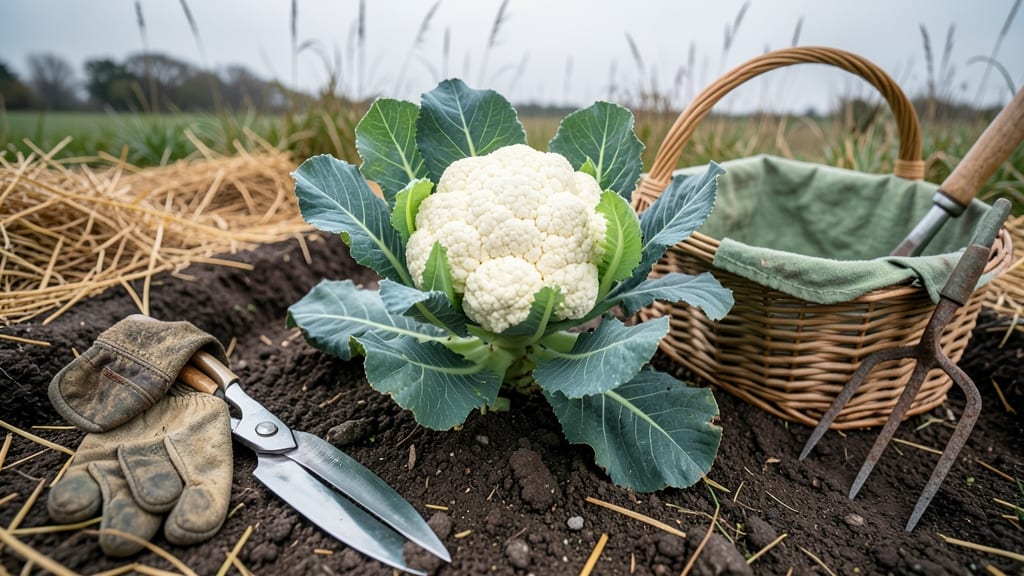
To harvest cauliflower at its peak—firm, flavorful, and free of bitterness—you’ll need to know the exact moment the curds are ready 🥬.
Struggling to harvest cauliflower with perfect, tight curds instead of bitter, loose florets? Timing and technique make all the difference—and missing these key steps could ruin your harvest before it even leaves the plant.
Most gardeners wait too long, letting the heads split open or turn woody. But the right approach—checking for vibrant color, firm texture, and the right size—ensures a crisp, delicious harvest every time.
Below, I’ll walk you through the step-by-step process, including how to spot the perfect moment, avoid common mistakes, and keep your cauliflower fresh for weeks.

When and how to harvest cauliflower for maximum flavor and texture
Harvesting cauliflower at the perfect moment transforms your garden into a flavorful feast. The difference between a tight, sweet curd and a loose, bitter mess often comes down to timing and technique.
Most varieties reach harvest readiness between 70-80 days after transplanting, but visual cues—like curd firmness and leaf color—are your true guides.
Miss the window, and you risk overmature heads that split open or develop tough, fibrous textures. Even worse, underripe cauliflower lacks sweetness and won’t hold up well in storage. The key is to watch for three critical signs: head size, leaf color, and stem flexibility.
Let’s break down how to spot these cues and harvest like a pro.
🌱 Ready to harvest? Here’s your quick-reference guide to nailing the perfect cauliflower harvest every time.
Start by checking your cauliflower heads every 2-3 days once they reach 4-6 inches in diameter. The ideal head should feel solid and firm when gently squeezed—like a tightly packed basketball.
If it gives slightly or feels spongy, it’s not ready yet. For purple or green varieties, the color should be deep and even, not pale or streaked.
Pay close attention to the outer leaves. When they begin to yellow and die back, it’s a clear signal that the head is maturing. This process is called senescence, and it’s your plant’s way of telling you, “I’m ready!”
If the leaves stay bright green and healthy, hold off on harvesting for another 3-5 days. Pro tip: Give the stem a gentle twist. If it snaps easily, the head is perfectly ripe.
Use a sharp knife or pruning shears to cut the head about 1-2 inches below the curd. Avoid pulling or twisting the stem, as this can damage the plant and leave it vulnerable to rot or pests.
For continuous harvests, watch for side shoots that form after the main head is removed. These smaller curds can be harvested in the same way, though they may be slightly less uniform.
In hotter climates (Zones 8-10), cauliflower may mature faster, so check heads daily during peak summer months. Conversely, in cooler regions (Zones 5-6), heads might take 10-14 days longer to reach harvest size.
Adjust your schedule by observing local weather patterns—heat waves can speed up maturity, while cool, cloudy days may slow it down.
After harvesting, rinse the curd gently under cool water to remove dirt, but avoid soaking it. Pat dry with a clean towel or paper towels to prevent moisture buildup, which can lead to mold or spoilage.
Store harvested cauliflower in the crisper drawer of your fridge for up to 5-7 days, or freeze it for longer storage. For freezing, blanch the florets for 3 minutes before shocking them in ice water to preserve texture and flavor.
One final tip: If your cauliflower heads start to yellow or bolt before reaching harvest size, it’s likely due to heat stress or uneven watering. To prevent this, provide consistent moisture and consider using shade cloth during extreme heat.
With these techniques, you’ll enjoy plump, sweet cauliflower straight from your garden—no bitterness in sight!
5 Common mistakes that turn perfect cauliflower into bitter, loose messes
Harvesting cauliflower at the wrong time or mishandling it can turn your tight, flavorful curds into a loose, bitter mess. Even experienced gardeners often make these avoidable mistakes that compromise quality. The key is recognizing visual warning signs and adjusting your approach before it's too late.
One of the biggest culprits is harvesting too early. When you pick cauliflower before it reaches full maturity, the curds remain small, loose, and underdeveloped. This mistake is especially common with early-season varieties where gardeners rush to harvest because they fear frost.
But premature harvesting leads to bitter, stringy florets that lack the satisfying crunch.
Another frequent error is ignoring environmental stress like heat waves or drought. When cauliflower plants experience temperature swings above 85°F or inconsistent watering, the heads bolt prematurely or develop yellow, loose curds. Even a single hot day can trigger this reaction, making it critical to monitor your garden's microclimate.
⚠️ How to Harvest Cauliflower (And Avoid These Mistakes)
Timing: Harvest when curds are 6-8 inches wide, tightly packed, and outer leaves yellow (not green).
Tools: Use a sharp knife to cut 1-2 inches above stem—never twist or pull.
Warning Signs: Loose florets (🟡), pale color (🔴), or green leaves (🟢) mean it's not ready.
Improper handling during harvest is another game-changer for quality. Many gardeners make the mistake of twisting or pulling the head instead of using a clean, sharp knife. This damages the stem and causes the curds to loosen and oxidize rapidly, leading to bitterness.
Always cut 1-2 inches above the stem for a clean break and better storage life.
Post-harvest storage errors often sneak up on gardeners too. Storing cauliflower in plastic bags without ventilation traps moisture, causing the florets to turn yellow and slimy within days. Instead, wrap the head loosely in a damp paper towel and store it in the crisper drawer of your fridge.
For longer storage, blanch and freeze the florets to lock in freshness.
Finally, overlooking secondary heads can lead to wasted effort. After harvesting the main curd, many gardeners assume the plant is done. But if you prune the old head and keep the plant well-watered, it often produces 2-3 smaller side shoots in 2-3 weeks.
These won't be as large, but they're still harvestable and reduce food waste.
By avoiding these five common mistakes, you'll consistently harvest tight, sweet cauliflower curds with minimal bitterness. Keep an eye out for those visual warning signs, and your garden will thank you with a bountiful, flavorful harvest. 🥬