
How To
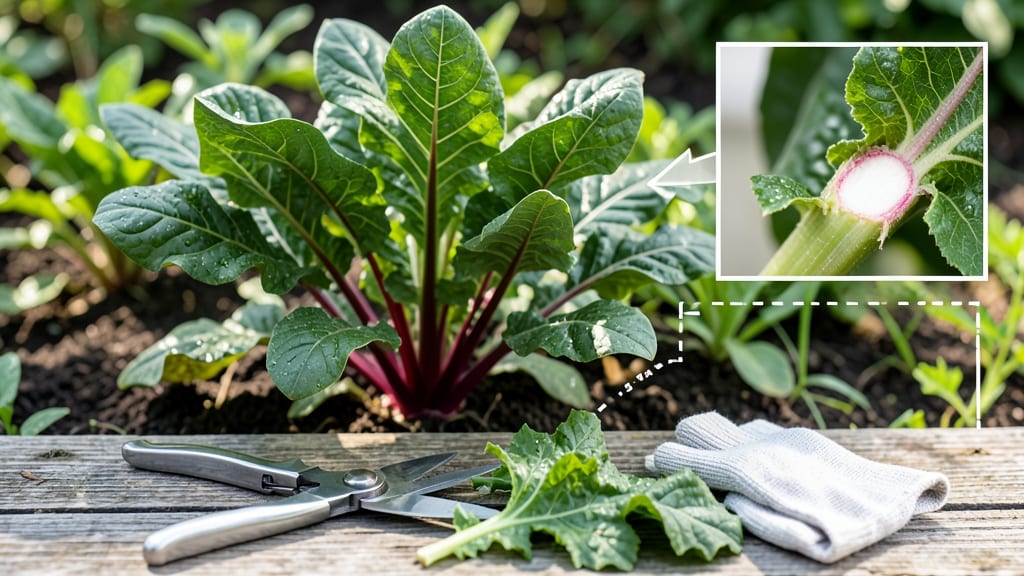
To harvest Swiss chard so it keeps growing, focus on cutting outer leaves just above the base—never the whole plant—while leaving the inner leaves intact to fuel regrowth.
Wondering why your chard keeps bolting or producing fewer leaves? Mastering the cut-and-come-again method unlocks a continuous harvest—no replanting required—while keeping your Swiss chard 🌱 thriving for months.
This technique isn’t just about timing; it’s about respecting the plant’s growth cycle. Cutting too close to the base or taking too many leaves at once stresses the chard, slowing down—or even stopping—regrowth.
Below, I’ll walk you through the exact steps, tools, and post-harvest care to ensure your chard keeps producing leaf after leaf, from spring through fall.

Step-by-step cut-and-come-again harvesting technique for chard
Swiss chard is one of those remarkably resilient vegetables that rewards patience with a long harvest season. The secret to keeping your chard producing leaf after leaf?
The cut-and-come-again method. Unlike harvesting whole plants, this technique focuses on selective cutting that stimulates new growth while avoiding stress that triggers bolting or stunting.
When done correctly, this method can extend your chard harvest from a few weeks to months. The key lies in understanding where to cut, when to harvest, and how to use the right tools for clean, precise cuts.
Let’s break it down so you can enjoy fresh chard straight from your garden all season long.
How to Harvest Chard for Continuous Regrowth
- 1 Wait for mature outer leaves: Harvest only when the outer leaves reach 6-8 inches in length. These are the largest, most mature leaves and can be cut without harming the plant’s center.
- 2 Use clean, sharp tools: Grab a pair of bypass pruners or sharp kitchen scissors. Avoid dull knives, which can crush stems and invite disease.
- 3 Cut just above the base: Make your cut 1-2 inches above the soil line on the main stem. This ensures the plant retains enough energy to regrow while avoiding damage to the growing point.
- 4 Leave the inner leaves intact: Never harvest more than 1/3 of the plant at once. The inner, younger leaves should remain untouched to continue photosynthesis and fuel regrowth.
- 5 Harvest in the morning: Pick leaves when they’re cool and crisp, typically between 8-10 AM. This ensures peak flavor and reduces stress on the plant from midday heat.
- 6 Space out harvests: Allow 3-4 weeks between cut-and-come-again harvests. This gives the plant time to recover and produce new growth before you harvest again.
- 7 Monitor for regrowth: After cutting, watch for new leaves emerging from the center. If growth slows, check for nutrient deficiencies or pests and address them promptly.
One of the biggest mistakes I see gardeners make is cutting too close to the base or harvesting too aggressively. Your chard plant is like a multi-stemmed shrub—it thrives on selective pruning.
By always leaving the inner leaves and cutting just above the base, you’re essentially giving your chard a haircut that encourages fullness.
Pro tip: If your chard starts to bolt (send up a flower stalk), it’s a sign you’ve stressed the plant too much. To prevent this, avoid harvesting more than 20% of the plant at any single time, especially in hot weather when growth naturally slows.
For colorful varieties like Bright Lights or Rainbow Chard, the cut-and-come-again method works just as well. The vibrant stems and leaves will continue to develop as long as you maintain the plant’s health through proper watering and fertilizing.
Remember, chard is a cool-season crop, so in warmer climates, you may need to provide some afternoon shade during peak summer months. This helps the plant focus its energy on leaf production rather than flowering.
With this method, you’ll enjoy a steady supply of fresh chard from early summer well into fall—no replanting required! The key is consistency: stick to the steps, and your chard will keep giving you those nutrient-packed leaves all season long. 🌿
Critical mistakes that stop chard from regrowing (and how to avoid them)
Swiss chard is one of those remarkably resilient vegetables that rewards patience with months of harvests—if you know the right techniques. But even the hardiest chard plants can stop producing if you make these common harvesting mistakes.
The good news? Most issues are easily fixable with small adjustments to your approach.
First, let’s tackle the biggest culprit: cutting too close to the base of the plant. When you sever stems within 1 inch of the soil line, you remove the growth meristem—the plant’s energy source for new leaves.
This forces chard to divert resources to healing rather than producing. Instead, aim to leave at least 2 inches of stem above the base to preserve that critical growth zone.
⚠️ Warning: How NOT to Harvest Chard
Mistake: Cutting leaves too close to the base (1 inch) or removing entire stems. This stunts regrowth and can cause the plant to bolt prematurely.
Fix: Always cut outer leaves at a 45-degree angle, leaving 2+ inches of stem. Use clean, sharp scissors to avoid tearing tissue.
Pro Tip: Harvest mature outer leaves first—this protects younger inner leaves and encourages bushier growth.
Another silent growth-killer is over-harvesting. Chard is a cut-and-come-again crop, but even it needs time to recover. If you harvest more than ⅓ of the plant’s foliage in a single session, the remaining leaves won’t have enough energy to regenerate.
Space out harvests by 7–10 days during peak growth (spring/fall) and 10–14 days in summer’s heat.
Don’t overlook the soil and nutrient factor, either. Chard is a heavy feeder, and depleted soil leads to small, weak leaves or yellowing stems. Before planting, amend your soil with 2–3 inches of compost or a balanced organic fertilizer (like 5-10-10).
Then, side-dress with compost every 4–6 weeks during the growing season. A quick soil test can reveal if your chard lacks nitrogen, phosphorus, or potassium—critical for leafy regrowth.
Finally, stress from heat or drought can trigger bolting (flowering) in chard, halting leaf production. If your plants start sending up flower stalks, they’re signaling distress. Mulch with straw or grass clippings to retain moisture and shade cloth during 90°F+ days to protect leaves.
Consistent morning watering (1 inch per week) keeps chard crisp and productive without shocking the roots.
By avoiding these five key mistakes—cutting too close, over-harvesting, ignoring soil health, and neglecting stress factors—your chard will keep producing fresh leaves for months. The secret? Patience and precision** in every harvest. Your future salads will thank you!