
How To
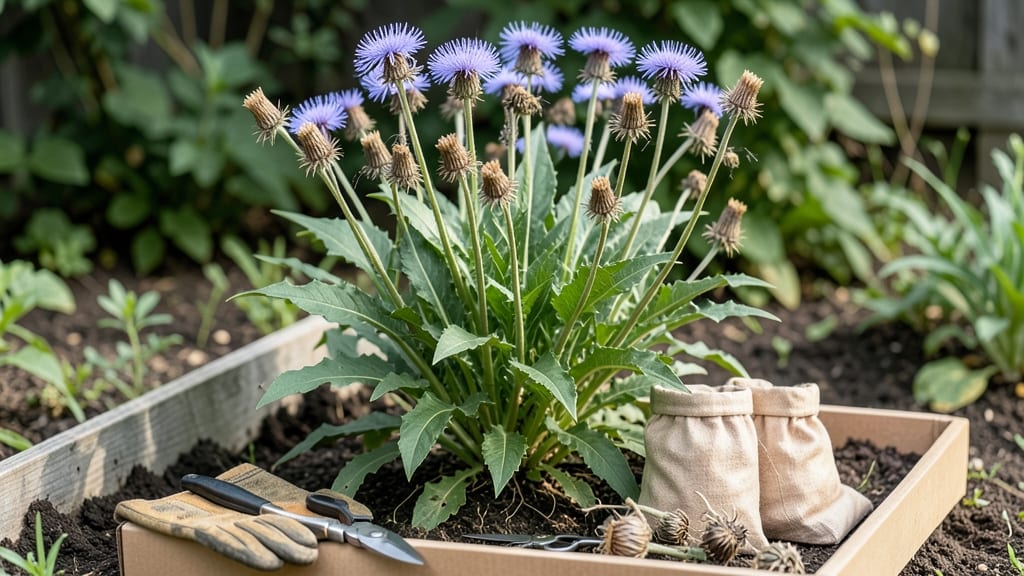
Harvesting chicory seeds at the right stage is the key to unlocking a nutrient-packed crop that thrives for years to come—if you know what to watch for.
Picture this: you’ve nurtured your 🌱 chicory all season, only to realize the seed heads are either still blooming or already scattered to the wind. Timing is everything, and missing it means losing your chance for a bountiful harvest.
But with the right cues—like when those blue flowers fade to brown—you can turn your garden into a seed-saving goldmine.
In this guide, I’ll walk you through the exact moment to harvest, the tools you’ll need, and how to dry and store your seeds so they stay viable for planting next year. No more guesswork, just a foolproof method for maximizing your yield.
Whether you’re growing radicchio, endive, or another chicory variety, these steps will ensure you don’t waste another season waiting for the perfect moment. Let’s get started!

When and how to identify chicory buds before they bloom for seed harvesting
Harvesting chicory seeds at the right stage ensures high-quality seeds and prevents wasted effort. The key is recognizing the pre-bloom stage when buds form but haven’t opened yet. This window is critical because once flowers bloom, seeds begin developing, and the plant’s energy shifts from leaf production to seed maturation.
Chicory varieties like radicchio and endive follow similar patterns, though radicchio may bolt slightly earlier due to its shorter growing cycle. For seed harvesting, focus on the bud formation phase—typically 60-75 days after transplanting—when buds are visible but still tightly closed.
Visual cues are your best friends. Look for green buds that haven’t yet turned blue or purple. These buds should be firm to the touch and roughly ½ inch in diameter.
If you see any blue or purple tint, the plant is transitioning to bloom, and you’ve missed the ideal window.
Regional growing seasons play a role too. In USDA Zone 6a (like much of the Midwest), chicory bolts in late summer (August-September). In warmer zones (7b+), bolting may start as early as July. Always monitor your plants closely, as temperature fluctuations can accelerate or delay bud formation.
Here’s a quick visual guide to help you spot the perfect stage for seed harvesting:
Avoid the temptation to harvest too early—green buds won’t produce viable seeds. Conversely, waiting until flowers fully bloom means you’ve missed the prime opportunity to guide the plant’s energy toward seed production. The 3-5 day window before blooming is your sweet spot for maximizing seed yield.
Use a plant marker or small flag to tag plants you’ve identified for seed harvesting. This prevents accidental harvesting of leaves or stems while giving buds space to develop fully. In my garden, I’ve found that radicchio bolts faster than endive, so I prioritize marking radicchio plants first.
Weather conditions can shift this window. If hot, dry spells hit, chicory may bolt prematurely. In such cases, provide light shade during peak afternoon heat to delay blooming slightly. Conversely, cool, cloudy weather can extend the pre-bloom stage, giving you more time to prepare for seed harvesting.
Once buds reach the ideal stage, allow them to fully develop into flowers before cutting. This ensures the plant has completed its reproductive cycle, maximizing seed production. The transition from green buds to blue/purple flowers is rapid—often just 24-48 hours—so stay vigilant.
Pro tip: Shake the seed heads gently when they’re fully brown and dry. If seeds rattle inside, they’re ready for harvest. This simple test saves time and ensures you’re not harvesting immature seeds that won’t germinate.
Step-by-step chicory seed harvesting process to maximize yield and quality
Once your chicory plants have bolted and formed those distinctive blue flower heads, it’s time to focus on seed harvesting. The key to success lies in timing and technique—cut too early, and you’ll miss out on viable seeds; wait too long, and they’ll scatter or lose viability.
I’ve perfected my method over years of trials, and today, I’m sharing it with you to ensure you maximize both yield and quality.
Before you begin, gather your tools: sharp pruners or garden shears, brown paper bags (one per plant), and a dry, well-ventilated space for drying. Chicory seeds are delicate, so avoid handling them roughly—they’re tiny but mighty for pollinators!
The process starts with identifying the perfect seed heads—those that are fully brown and dry but haven’t yet released their seeds when shaken gently.
Step-by-Step Chicory Seed Harvesting
- 1 Harvest the seed heads: On a dry morning, use clean pruners to cut the entire flower head (about 4-6 inches from the base). Place each head in a labeled paper bag to avoid mixing varieties.
- 2 Dry the seed heads: Hang the bags in a shady, well-ventilated area (like a garage or shed) for 2-3 weeks. Alternatively, lay them flat on a screen in a dry, dark space for faster drying. Avoid direct sunlight to prevent seed discoloration.
- 3 Thresh the seeds: Once the flower heads are completely dry and brittle, gently rub them between your hands or use a clean cloth or screen to separate the seeds. Discard any remaining plant debris or chaff.
- 4 Store the seeds: Transfer the seeds to a paper envelope or airtight container and label with the harvest date and variety. Store in a cool, dark place (like a fridge) to maintain viability for up to 2-3 years.
One common mistake I’ve seen gardeners make is harvesting seeds too late—when the flower heads have already released most of their seeds naturally. If you notice seeds scattered on the ground, it’s a sign you’ve missed the window.
Another pitfall is drying the seeds too quickly in direct heat, which can reduce germination rates. Always prioritize gentle, even drying for the best results.
Pro tip: If you’re harvesting chicory seeds for garden replanting, aim to collect them in late summer or early fall when the weather is dry and stable. This timing aligns with chicory’s natural seed maturation cycle and gives you the best chance for a successful next season.
With these steps, you’ll turn your chicory plants into a pollinator-friendly seed bank while ensuring high-quality seeds for future gardens.
Don’t forget to share your chicory seed harvests with fellow gardeners—whether it’s swapping seeds or celebrating your first successful batch! The joy of growing from seed is unmatched, and chicory’s unique flavor and benefits make it a worthwhile addition to any garden. Happy harvesting! 🌾