
How To
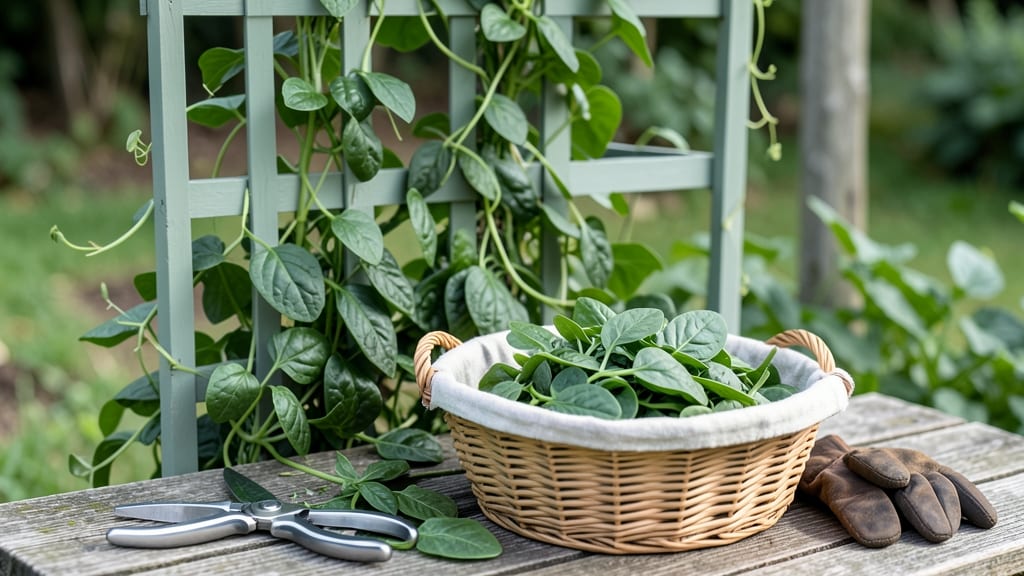
To harvest climbing spinach at its peak—when leaves reach 6 inches—is the secret to tender greens and a never-ending supply 🌱.
Picture this: you reach for a handful of spinach, only to find the leaves tough and bitter, or worse, the plant struggling to bounce back. That’s what happens when you harvest too early or too late.
But timing it right—cutting just above the base when leaves are glossy and firm—keeps your climbing spinach thriving for weeks.
This isn’t just about plucking leaves; it’s about working with your plant’s rhythm. The right technique encourages regrowth, while the wrong move can leave you with a sad, leggy vine.
Below, I’ll walk you through the exact steps to harvest without harming your spinach, plus when to stop to avoid common pitfalls.
You’ll learn how to spot the perfect harvest moment, the tools that make the job easier, and how to store your bounty so it stays fresh longer. No more guesswork—just a steady stream of homegrown greens all season.

When and how to harvest climbing spinach for peak flavor and growth
Climbing spinach is one of those rewarding plants where timing your harvest can make or break your yield. Unlike its flat-leaf cousins, this variety thrives when you wait for leaves to reach 6 inches—that’s when they’re packed with peak flavor and nutrients.
Harvesting too early means missing out on tender growth, while waiting too long risks tough, bitter leaves. The key is balancing leaf maturity with plant health to keep your spinach producing for weeks.
Seasonal timing matters just as much as leaf size. In most USDA zones, your first harvest window opens around late spring (after the last frost) and continues through early summer. If you’re in a warmer climate, you might even squeeze in a fall harvest before the first frost hits.
The goal is to harvest when leaves are fully unfurled but before they start flowering—this ensures both flavor and regrowth.
Visual cues are your best friends when deciding if climbing spinach is ready. Look for deep green, glossy leaves with a slightly crinkled texture—these are your 6-inch markers.
The stems should feel firm but not woody, and the leaves should snap easily when gently pulled (not wilt or tear). Ignoring these signs often leads to over-mature leaves that bolt prematurely, reducing your harvest potential.
Here’s a quick reference to help you spot the perfect harvest moment:
Seasonal timing also plays a critical role in maximizing your harvest. For most gardeners, the prime window is from May through July, aligning with the plant’s natural growth cycle.
If you’re in a cooler climate, you might extend harvests into early fall—just avoid harvesting when nighttime temperatures dip below 40°F, as this can stress the plant. In warmer zones, a fall harvest is possible until the first frost, but growth slows significantly as days shorten.
One of my favorite tricks for continuous harvests is the cut-and-come-again method. Instead of picking individual leaves, snip the entire stem just 1–2 inches above the ground. This shock might look harsh, but it stimulates the plant to produce 3–4 new side shoots within 2–3 weeks.
Just avoid cutting more than one-third of the plant at once, or you’ll stunt regrowth. This technique can double your yield over the season!
If you’re growing climbing spinach in containers, timing becomes even more critical. Container-grown plants often mature faster due to warmer root zones, so check leaves every 5–7 days starting at 30 days after planting.
Container spinach also bolts quicker in heat, so prioritize harvesting when leaves hit 4–5 inches rather than waiting for 6 inches. A light shade cloth can help delay bolting in hot climates.
Don’t overlook the importance of harvesting tools. A sharp pair of pruning shears or clean scissors is ideal for clean cuts that heal faster. Dull tools crush stems, inviting disease and slowing regrowth. Always sanitize your tools with a 10% bleach solution between plants to prevent cross-contamination.
If you’re harvesting by hand, pinch leaves at the base with your thumb and forefinger—this minimizes damage to the main stem.
After harvesting, store your spinach properly to preserve its freshness and flavor. Wrap leaves loosely in a damp paper towel, place them in a sealed container, and refrigerate for up to 5–7 days.
For longer storage, blanch and freeze—this locks in nutrients for up to 6 months. Pro tip: If you’re not using your harvest immediately, pick leaves on a cloudy day when they’re naturally less perishable.
Finally, keep an eye on your plant’s response after harvesting. Healthy climbing spinach should bounce back with new growth within 2–3 weeks. If it takes longer, check for underwatering, nutrient deficiencies, or pest damage.
A light application of compost tea or balanced fertilizer can give sluggish plants the boost they need to recover and keep producing.
Step-by-step harvesting process to avoid damaging the plant
Harvesting climbing spinach correctly ensures your plant keeps producing tender, flavorful leaves while avoiding stress. The key is using the right cutting technique and timing—never more than one-third of the plant at once. I’ve learned that pinching smaller leaves can encourage bushier growth, but for larger harvests, cutting is best.
Start by gathering your tools: a sharp pair of pruning shears or clean scissors, a bucket of ice water to store harvested leaves, and a glove if your spinach is near the ground.
Always work in the morning when leaves are crisp and hydrated, making them easier to handle without damage.
How to Harvest Climbing Spinach
- Step 1: Identify Ready Leaves Look for 6-inch-long leaves that are deep green and glossy. Avoid harvesting leaves that are pale or wilted, as these may be stressed.
- Step 2: Choose Your Method For large leaves, use pruning shears to cut the stem 1-2 inches above the ground. For smaller leaves, pinch them off with your fingers to avoid damaging the plant.
- Step 3: Cut with Precision Make a clean, angled cut at a 45-degree angle to increase surface area for faster regrowth. Never tear leaves—this invites pests and disease.
- Step 4: Store Immediately Place harvested leaves in a bucket of ice water to preserve freshness. Rinse gently if needed, but avoid soaking to prevent leaf softening.
- Step 5: Fertilize Post-Harvest After harvesting, add a balanced fertilizer (10-10-10) to replenish nutrients. Water deeply to help the plant recover and stimulate new growth.
One of the biggest mistakes I see is over-harvesting—taking too many leaves at once can stress the plant and reduce future yields. Always leave at least half the plant intact to ensure it keeps producing.
If you notice yellowing leaves or stunted growth after harvesting, your plant may need extra care.
To revive a stressed plant, reduce watering slightly and provide partial shade for a few days. A light application of compost tea can also boost recovery by adding beneficial microbes to the soil. With proper care, your climbing spinach will bounce back and keep producing for weeks.
Remember, consistency is key. Harvesting every 2-3 weeks keeps your plant healthy and productive. Over time, you’ll develop a rhythm that maximizes your yield while keeping your spinach thriving—no matter the season.