
How To
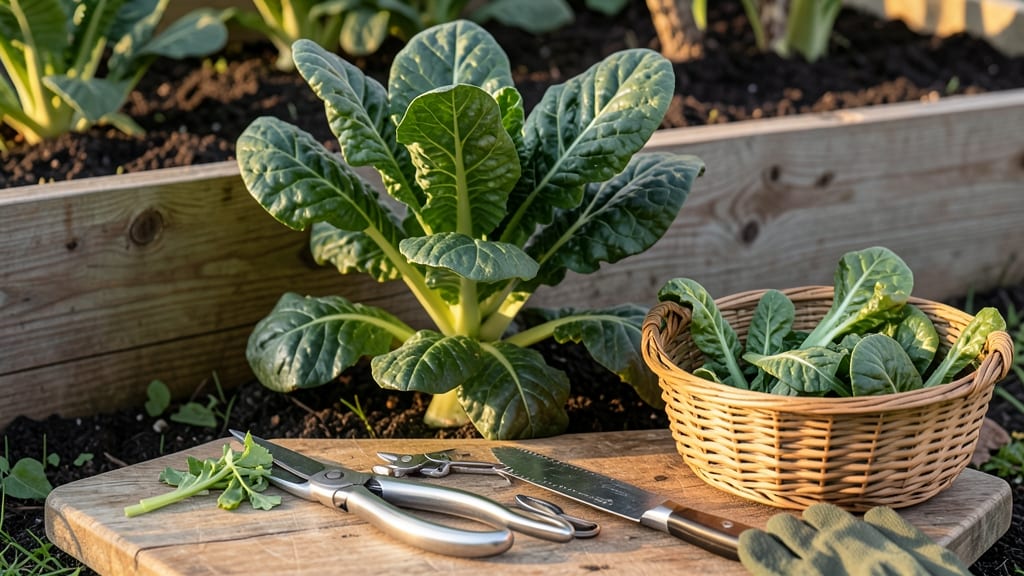
To harvest collards at their peak—when leaves are tender and flavorful—start by checking for 6-inch-long, deep green 🥬 leaves with crisp edges and firm stems.
Harvesting collards at the right time ensures tender, flavorful leaves—and keeps your plants producing all season long. But knowing when to pick and how to cut without stunting regrowth can be tricky for even experienced gardeners.
You’ll learn how to spot the perfect leaves, use the right cutting technique to encourage bushier growth, and avoid common mistakes that can kill your plants.
From seasonal timing to storage tips, this guide covers everything you need for a steady harvest from spring through fall.

When to harvest collards: signs leaves are ready for picking
Timing your collard harvest correctly transforms your garden from a leafy green bush into a continuous harvest machine. These cool-season powerhouses reward patience with sweet, tender leaves when picked at the right moment.
The key lies in watching for three critical maturity cues: leaf size, texture, and flavor development.
Most gardeners start harvesting collards 60-80 days after transplanting, but this varies slightly by variety and climate. In my Zone 6a garden, I begin picking outer leaves in early October for fall crops and again in May for spring harvests.
The first frost actually sweetens collard flavor, so timing your harvest just before hard freezes can give you the best taste.
Here's my visual reference system for determining perfect harvest readiness:
I always test a few leaves first by tasting them raw - that's the surefire flavor test. Young leaves should taste mild and slightly peppery, while mature leaves develop a richer, earthier profile perfect for sautéing or braising.
The dark green color is another telltale sign, indicating optimal chlorophyll production and nutrient density.
One common mistake I see is waiting too long for leaves to get overly large and tough. When collards reach 12+ inches, they start developing fibrous stems and a bitter edge.
My rule of thumb: harvest when leaves are 6-10 inches long for the best balance of tenderness and flavor. This balanced harvesting also encourages the plant to produce more leaves rather than sending energy into seed production.
Seasonal timing plays a crucial role in harvest windows. In my cool climate garden, I focus on fall harvests from October through November when temperatures dip but before hard frosts arrive.
For spring planting, I aim to harvest between May and June when nights stay cool but days warm up. The temperature sweet spot of 50-65°F produces the most tender, flavorful leaves.
You might wonder about the frequency of harvesting. I recommend picking outer leaves first every 1-2 weeks to maintain plant health. This method prevents over-mature leaves while stimulating new growth from the center.
Never remove more than 1/3 of the plant at once, as this can shock the collard and reduce future yields. My fall plants often produce for 6-8 weeks with proper harvesting techniques.
For container gardeners, timing becomes even more critical since space is limited. In my 12-inch pots, I harvest more frequently - every 10-14 days - to prevent the plants from becoming root-bound.
The key is to monitor leaf size closely and adjust your harvest schedule based on how quickly new growth appears. Potted collards often mature faster than in-ground plants due to warmer root zones.
Remember that frost actually improves collard flavor, so don't rush to harvest before the first light freeze. A light frost (28-32°F) will sweeten the leaves, making them perfect for winter storage or freezing.
However, a hard freeze (below 28°F) will damage the plant. In my experience, harvesting 2-3 days before expected frost gives you the best of both worlds - tender leaves with enhanced sweetness.
Pro tip: Keep a harvest journal to track when your specific collard varieties reach maturity. Note the leaf size, weather conditions, and flavor profile for each harvest. Over time, you'll develop an intuition for when your plants are ready to pick.
My 'Georgia Southern' variety, for example, consistently reaches harvest size 5 days earlier than my 'Vates' collards each fall.
Step-by-step guide to cutting collards for continuous regrowth
Harvesting collards the right way is key to keeping your plants productive and healthy. Unlike many greens, collards regrow vigorously after proper cutting, giving you a steady supply of flavorful leaves.
The secret lies in selecting mature leaves and using the correct cutting technique to avoid damaging the plant's center.
Start by focusing on the outer leaves first—they're the most mature and ready for harvest. These leaves are typically 6-12 inches long with a deep green color and slightly crisp texture. Cutting from the outside allows the inner leaves to continue growing, ensuring your collard plant stays bushy and productive.
⚠️ Critical Cutting Mistakes to Avoid
Never cut into the center stem—this is where new growth emerges. Instead, cut leaves at a 45-degree angle about 1-2 inches above the stem to prevent water from pooling and causing rot. Using a clean, sharp pair of pruning shears ensures clean cuts that heal faster.
Use a clean, sharp pair of scissors or pruning shears to make precise cuts. Dull tools can crush stems and invite disease, so always sterilize your blades with rubbing alcohol between cuts.
For larger leaves, hold the leaf firmly and cut at a 45-degree angle, leaving the stem intact to support new growth.
After harvesting, inspect your plant for any yellow or damaged leaves. Remove these immediately to redirect the plant's energy toward healthy growth. Collards thrive on regular harvesting, so aim to pick every 1-2 weeks during their growing season.
This frequency encourages bushier plants and prevents bolting, especially in warmer months.
In late fall, you can harvest more aggressively as frost sweetens the flavor. However, avoid cutting more than one-third of the plant at once, even in cooler weather. Always leave the center stem and a few inner leaves to keep the plant producing.
With proper care, a single collard plant can provide harvests for 6-8 weeks or longer.
Store freshly harvested collards in a plastic bag in the fridge for up to 5-7 days. For longer storage, blanch and freeze them. Proper harvesting techniques now will reward you with bountiful collards all season long! 🥬