
How To
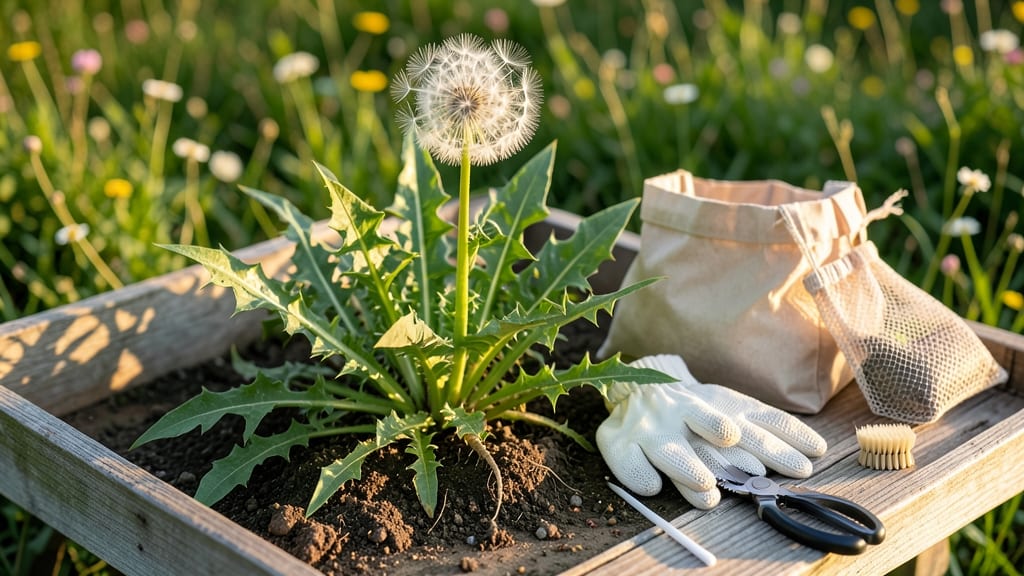
Harvesting dandelion seeds is easier than you think, and the right timing makes all the difference between a fluffy bounty and empty hands.
Picture this: a sunny afternoon in late spring, when the 🌼 dandelion seed heads have turned golden-brown and puff into the air at the slightest breeze. That’s your window—miss it, and the wind will carry your harvest away before you even know it’s ready.
You might assume these seeds are just weeds, but they’re a powerhouse for pollinators, a natural remedy, and even a tasty addition to salads or teas. Once you master the simple steps, you’ll wonder why you didn’t start sooner.
Below, I’ll walk you through the exact when and how to collect seeds without losing a single one, plus creative ways to put them to use—from feeding birds to crafting seed bombs for guerrilla gardening.

When to harvest dandelion seeds: best time of year and flower stage
Timing your dandelion seed harvest correctly ensures you collect the fluffiest, most viable seeds while supporting pollinators and avoiding waste. The ideal harvest window spans from late spring to early summer, but regional climates and weather patterns can shift this timeline by weeks.
In USDA Zone 6a, I typically start harvesting in May and continue through June, but gardeners in warmer zones like Zone 9 may begin as early as April.
Dandelions follow a predictable life cycle: bright yellow flowers bloom in spring, transform into green seed heads, and finally mature into brown, fluffy seed clusters. The best harvest stage is when these seed heads turn completely brown and release seeds with just a gentle touch.
This usually occurs 75-90 days after flowering, depending on your climate.
Here’s the critical visual guide to identify perfectly timed dandelion seeds:
| Stage | Appearance | Harvest Readiness | Best Time |
|---|---|---|---|
| Closed Bud | Tight green buds | Not ready (🟢) | Early spring |
| Blooming Flower | Bright yellow petals | Not ready (🔒) | Late spring |
| Green Seed Head | Tight, green, non-fluffy | Not ready (🤲) | Early summer |
| Brown Seed Head | Dry, brown, fluffy | Ready (🟤) | Mid to late summer |
| Overripe Seed Head | Empty, scattered seeds | Too late (❄️) | Late summer/fall |
For spring harvests, focus on late May to early June when dandelions in northern climates reach maturity. In fall, a second harvest window opens in September to October for late-blooming plants, especially in warmer southern regions.
However, fall seeds may have lower viability due to shorter daylight hours, so prioritize spring collections for the best yield.
Weather plays a critical role in seed quality. Harvest on dry, calm days to prevent mold growth in your collection bags. Avoid harvesting after rain or high humidity, as damp seeds can spoil quickly.
If you must collect after rain, spread seed heads on a dry towel for 24 hours to dry them out before storage.
Regional variations matter: In Pacific Northwest climates, dandelions may mature 2-3 weeks later than in Southern California due to cooler springs. I’ve found that mountainous areas like Colorado often have shorter harvest windows, while coastal regions benefit from extended summer warmth.
Always scout your local dandelion patches weekly to catch the perfect harvest moment.
Pro tip: Mark your calendar based on your first dandelion bloom. Count back 75 days to estimate your peak harvest window. This method works even better if you’ve grown dandelions before, as their life cycle becomes predictable in your specific microclimate.
For urban gardeners, city heat islands can accelerate maturity by 1-2 weeks compared to rural areas.
Never harvest seeds from dandelions treated with herbicides or pesticides, as these chemicals can contaminate your collection. Always choose organic dandelions from chemical-free zones, such as your own garden, roadside patches, or certified organic farms. This ensures high-quality seeds for gardening, crafts, or consumption.
Once you’ve mastered the timing, you’ll unlock a world of possibilities: from wildlife-friendly seed bombs to homemade dandelion tea. The key is patience—waiting for that perfect fluffy moment makes all the difference in your harvest success. 🌼
Step-by-step dandelion seed collection methods: from hand-picking to bagging techniques
Harvesting dandelion seeds is easier than you think, but the right tools and timing make all the difference. Once the seed heads turn brown and fluffy, they’re ready for collection—but wait too long, and you’ll lose them to the wind.
I’ve perfected my method over years of gardening, and I’ll share exactly how to do it without wasting a single seed.
Grab your gardening gloves and a breathable bag (paper or mesh works best), because the key is to collect seeds before they scatter.
Whether you’re harvesting for wildlife support, seed bombs, or just to tidy up your lawn, these steps will ensure you get the most seeds with minimal effort. Let’s dive into the process!
Decide between hand-picking (best for small batches) or scythe cutting (ideal for large patches). For hand-picking, wear gloves to avoid prickly stems, while scythes work well for dense areas but require more skill.
Harvest when seed heads are fully brown and dry, with a fluffy white appearance. Gently tug a seed head—if it releases seeds easily, it’s ready. Avoid harvesting on windy days to prevent seed loss.
Place a paper bag or mesh bag over the seed head and gently shake or cut the stem to release seeds inside. Avoid plastic bags—they trap moisture and cause mold growth. For stubborn seed heads, snip the stem with clean scissors and drop directly into the bag.
Once collected, store seeds in a cool, dry place (like a paper envelope) for up to a year. Label with the harvest date to track freshness. For immediate use, like seed bombs, mix seeds with clay and water within a week.
If seeds won’t release, the heads may be too green or overly dry. Wait a few more days for full maturity, or use a small brush to gently coax seeds into the bag. Never force it—patience ensures the best yield!
One of my favorite tips is to harvest seeds on a calm morning when the dew has dried but the wind hasn’t picked up. This gives you the best chance to collect seeds without them drifting away.
I also like to reuse brown paper bags from grocery stores—they’re perfect for this job and reduce waste.
After harvesting, I always set aside a portion of the seeds to scatter in my garden. Dandelions are early-season pollinator magnets, and their seeds support bees and butterflies when other flowers are still dormant. Plus, they’re easy to grow from seed, so you’ll have a fresh supply next year!
If you’re new to seed collection, start small with just a few seed heads. Practice makes perfect, and soon you’ll be harvesting enough seeds to share with friends or use in DIY crafts. Just remember: the key is timing and patience—don’t rush it! 🌼